Haizhou Bay is located in the western part of the Yellow Sea in China, at 34°54.4’ north latitude and 119°18.9’ east longitude. It starts from the Foshouzui in Rizhao City, Shandong Province in the north and ends at Gaogong Island in Lianyungang City, Jiangsu Province in the south. It is a typical open bay. Haizhou Bay has a coastline of approximately 87 kilometres and a sea area of approximately 876 square kilometres. The coastline is primarily silt sand, followed by bedrock and sandy coasts. As one of China’s eight major fishing grounds, Haizhou Bay Fishery is rich in commercial species such as yellow croaker, hairtail, swimming crab and prawns. Since 2008, the bay has been developing marine ranching, a form of aquaculture that involves creating and managing underwater farms in the open ocean to grow marine life. Through artificially increasing and releasing fish, and attracting natural fish populations, the fish populations in the waters can be managed like sheep on a grassland. Haizhou Bay is also an important coastal tourist destination in eastern China, with its unique scenery where mountains and sea complement each other.
The construction of ports and marine ranches is one of the starting points and core driving forces of land reclamation in Haizhou Bay. Since the 21st century, the local government has carried out large-scale reclamation projects in Lianyungang Port, developing it into a major port in eastern China. For example, the construction of its Qitai Port Area and Xuwei Port Area relies almost entirely on reclaimed land. The total area of land reclaimed in the bay (mainly Lianyungang City) is estimated to be between 250 and 300 square kilometres.
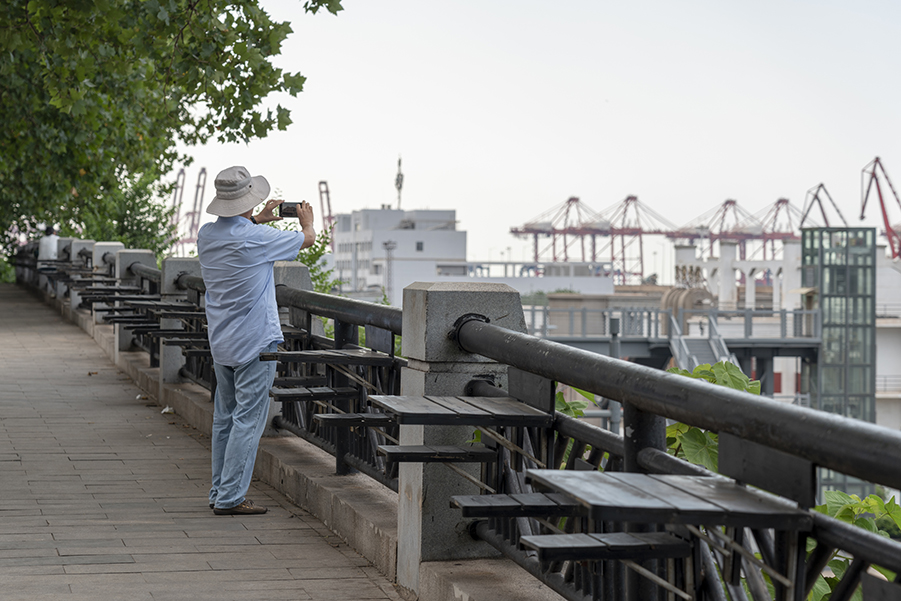
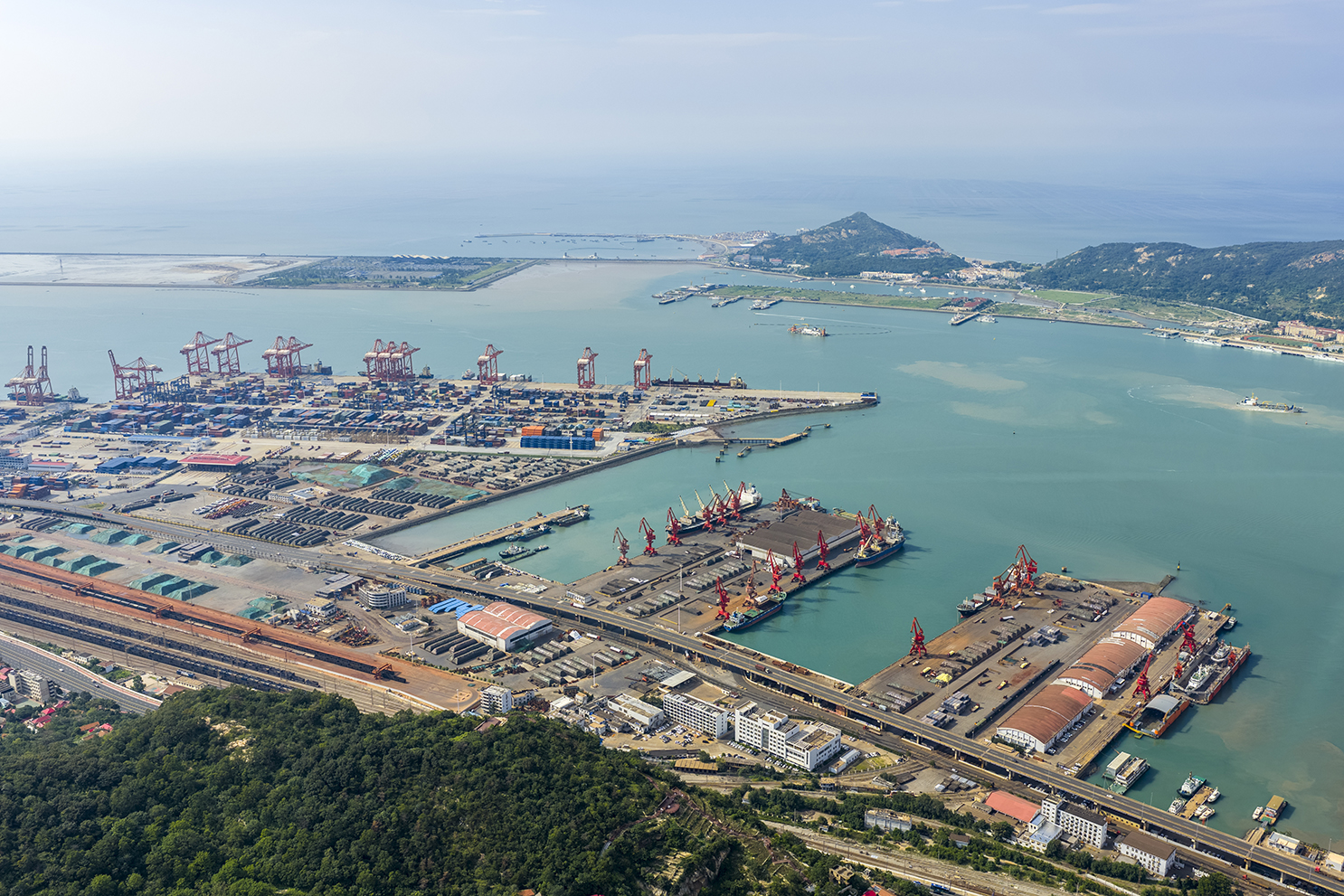
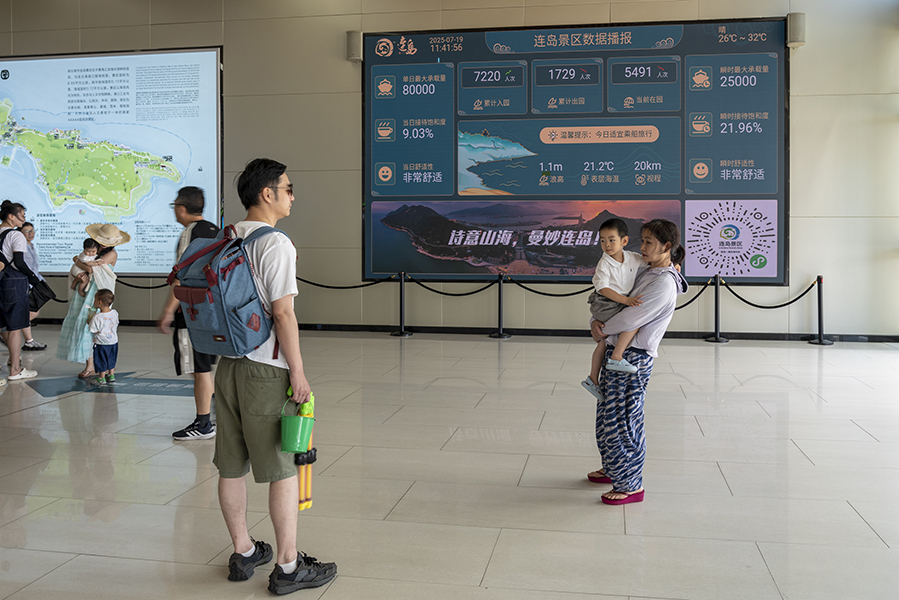
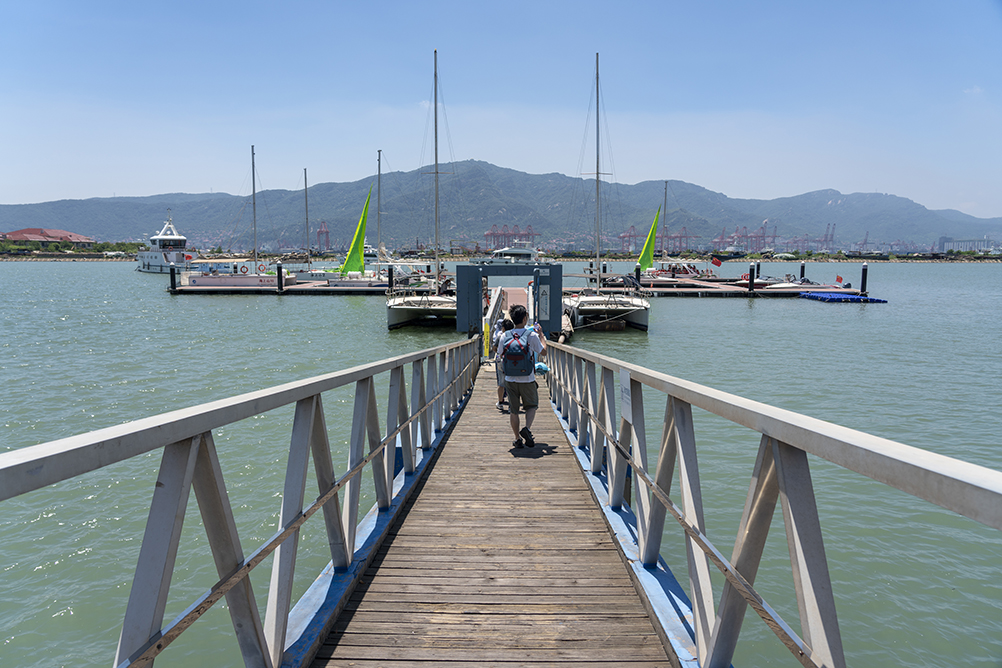
Lianyungang City is the largest and most economically developed city along the coast of Haizhou Bay. It is also an important coastal open city and port city in China. The Port of Lianyungang plays a pivotal role in China’s Belt and Road Initiative. It serves as a logistics cooperation base with Kazakhstan, and a maritime gateway for member states of the Shanghai Cooperation Organisation. The local government does not view the port merely as a closed industrial zone, but has developed and integrated it as a tourism resource. Visitors can take cruises to see giant container ships, gantry cranes and automated terminal operations in the port. This unique harbour tourism economic development model has created a virtuous cycle where the port drives tourism and tourism develops the port. In 2024, Lianyungang City received a total of 55.86 million domestic and foreign tourists, a year-on-year increase of 12.6%, and the total tourism revenue was 71.5 billion yuan (7.7 billion pounds), a year-on-year increase of 8%. According to the Lianyungang City Cultural Tourism Industry High-Quality Development Action Plan (2024-2026), the city aims to receive 80 million tourists by 2026, generate 100 billion yuan (10.8 billion pounds) in total tourism revenue, and achieve an added value of 72 billion yuan (7.76 billion pounds) in the cultural tourism industry, accounting for more than 12% of the city’s GDP.
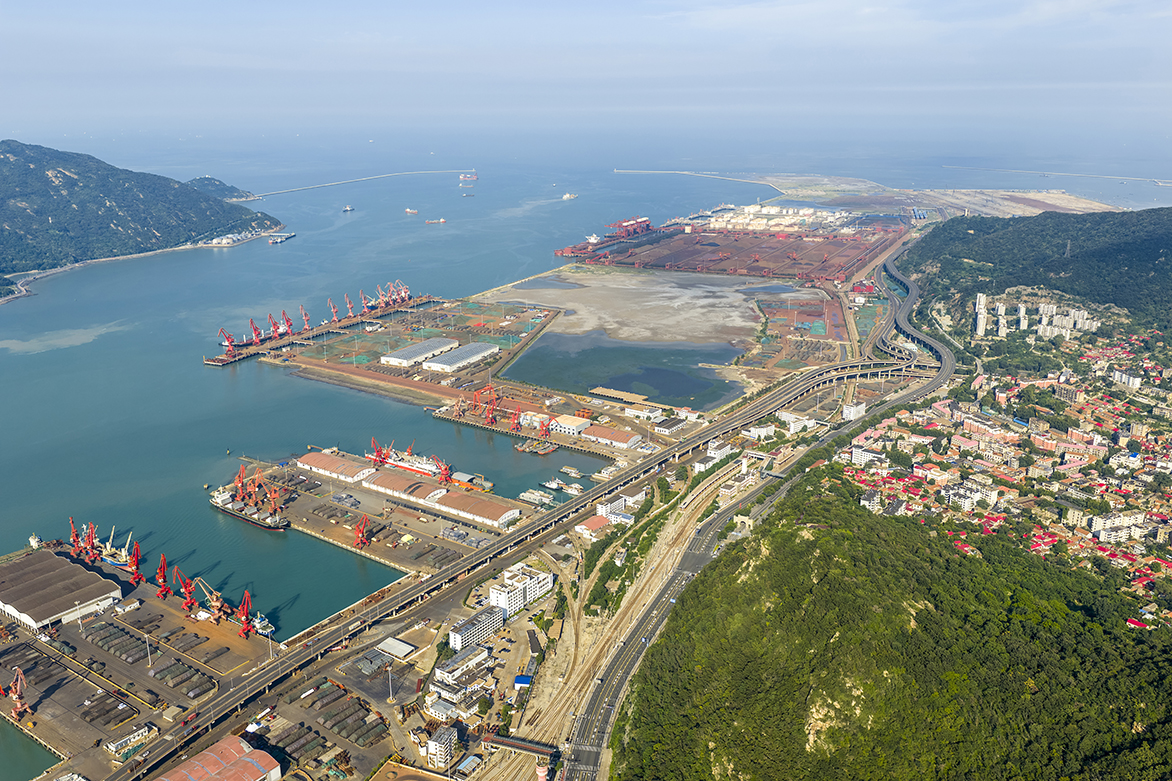
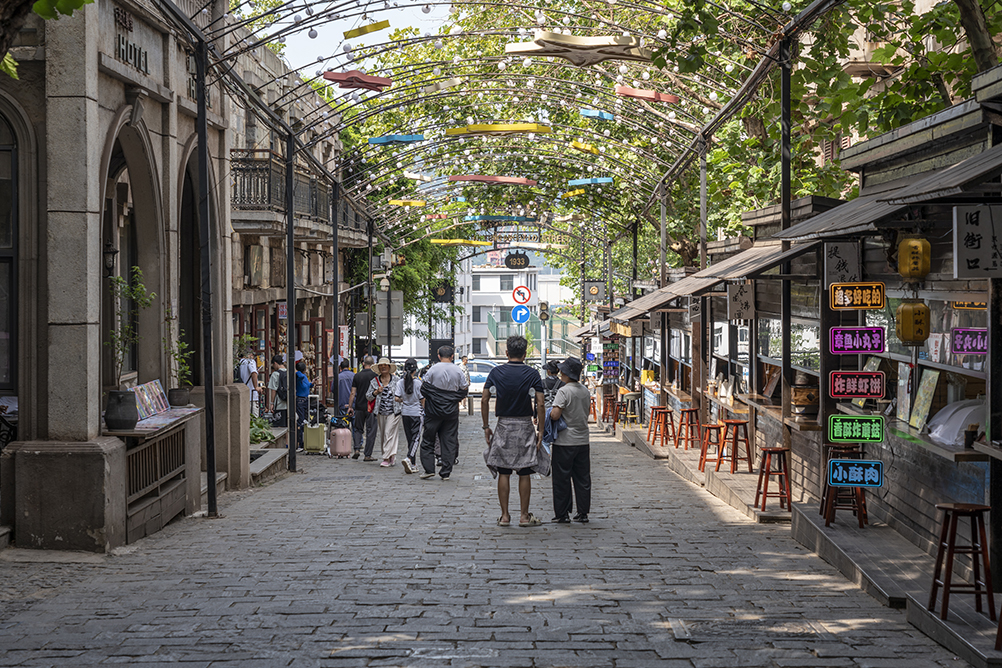
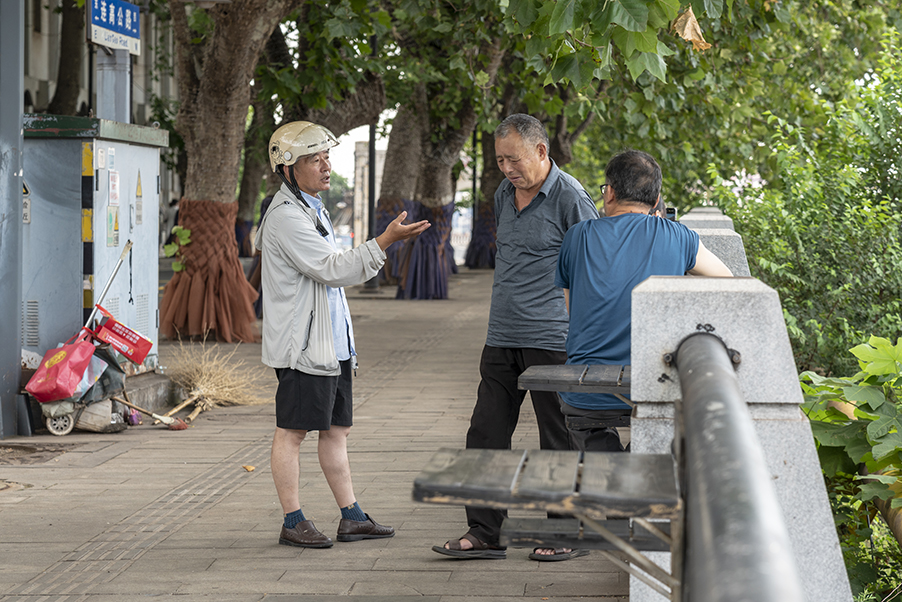
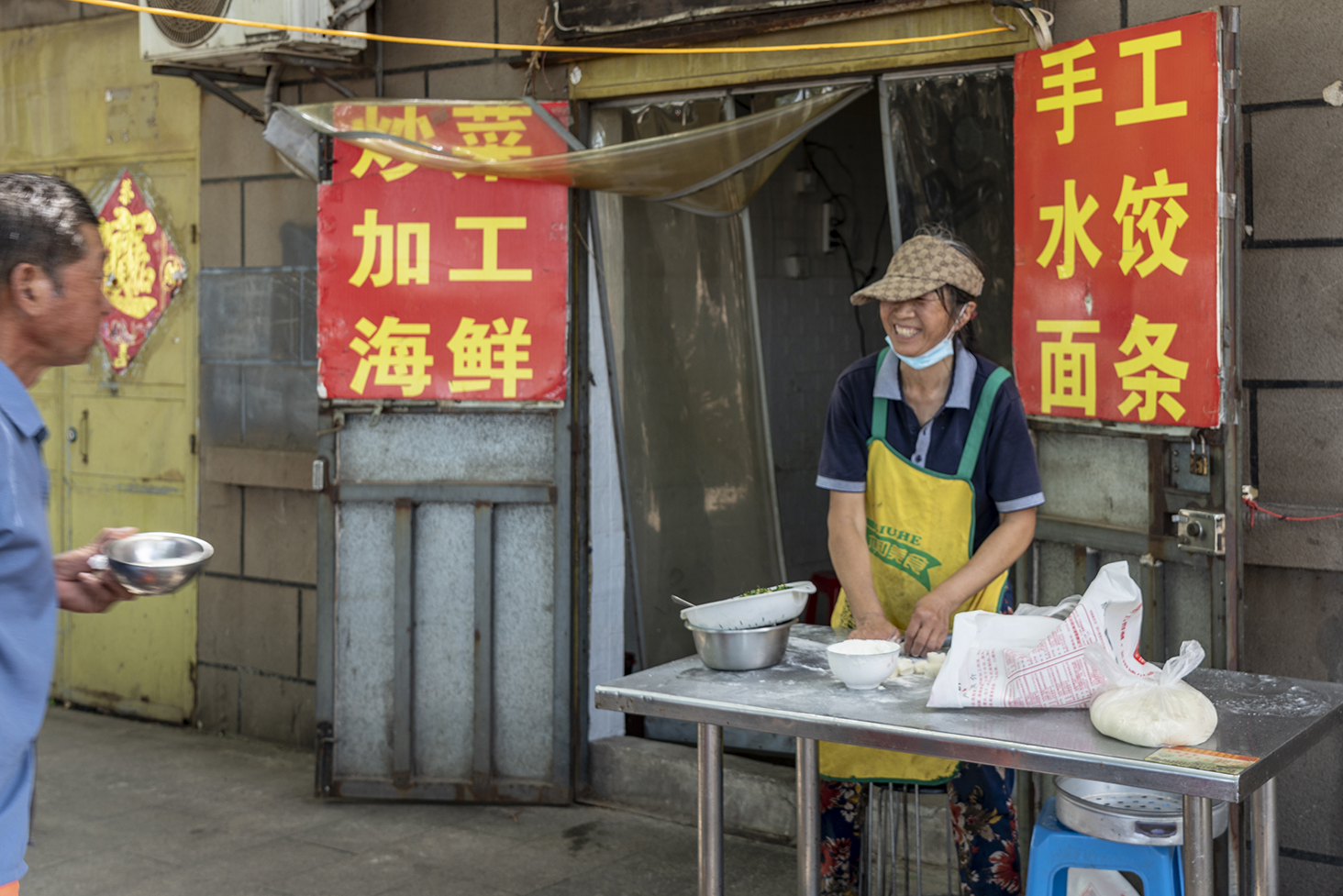
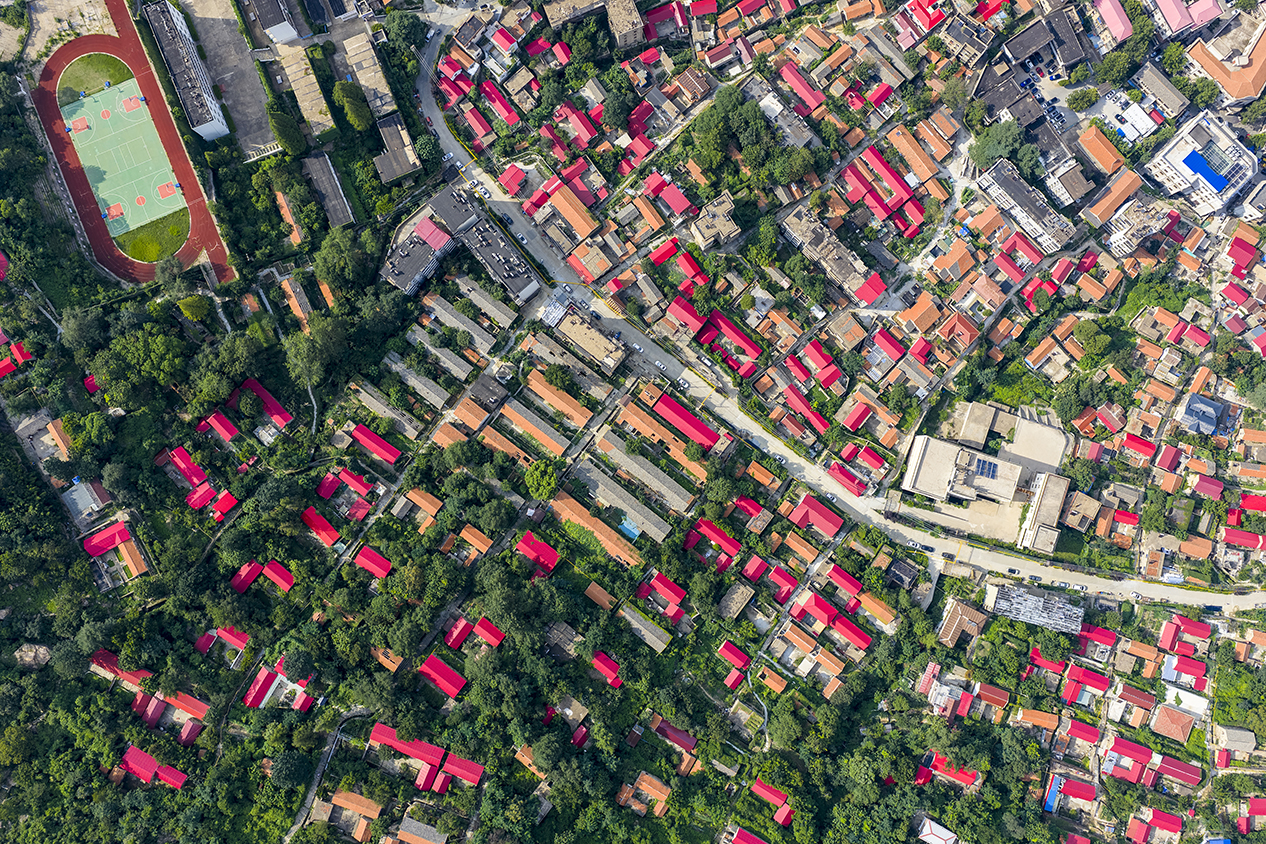
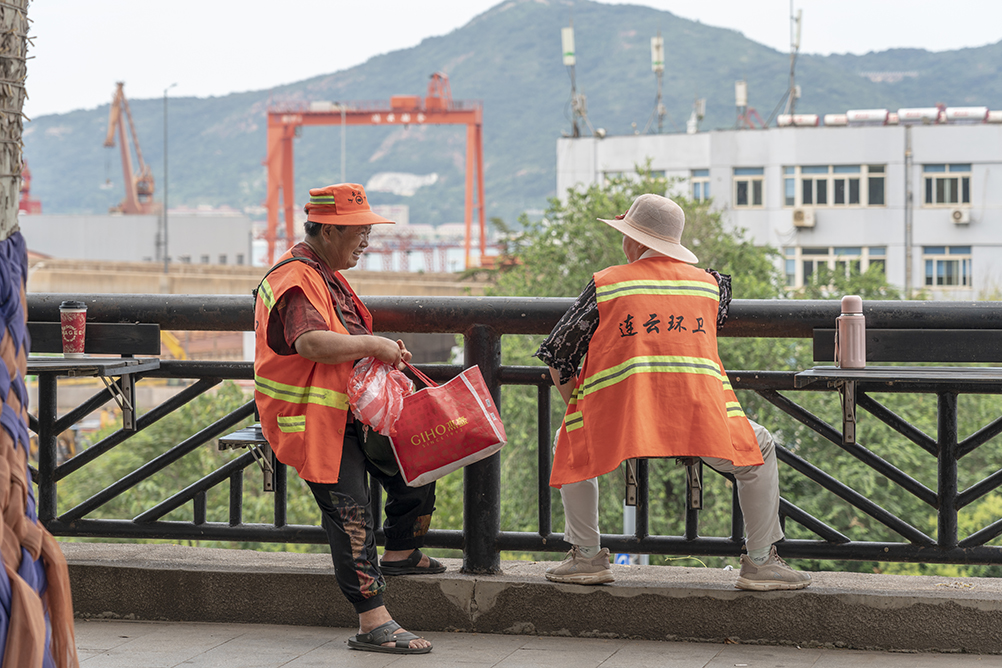
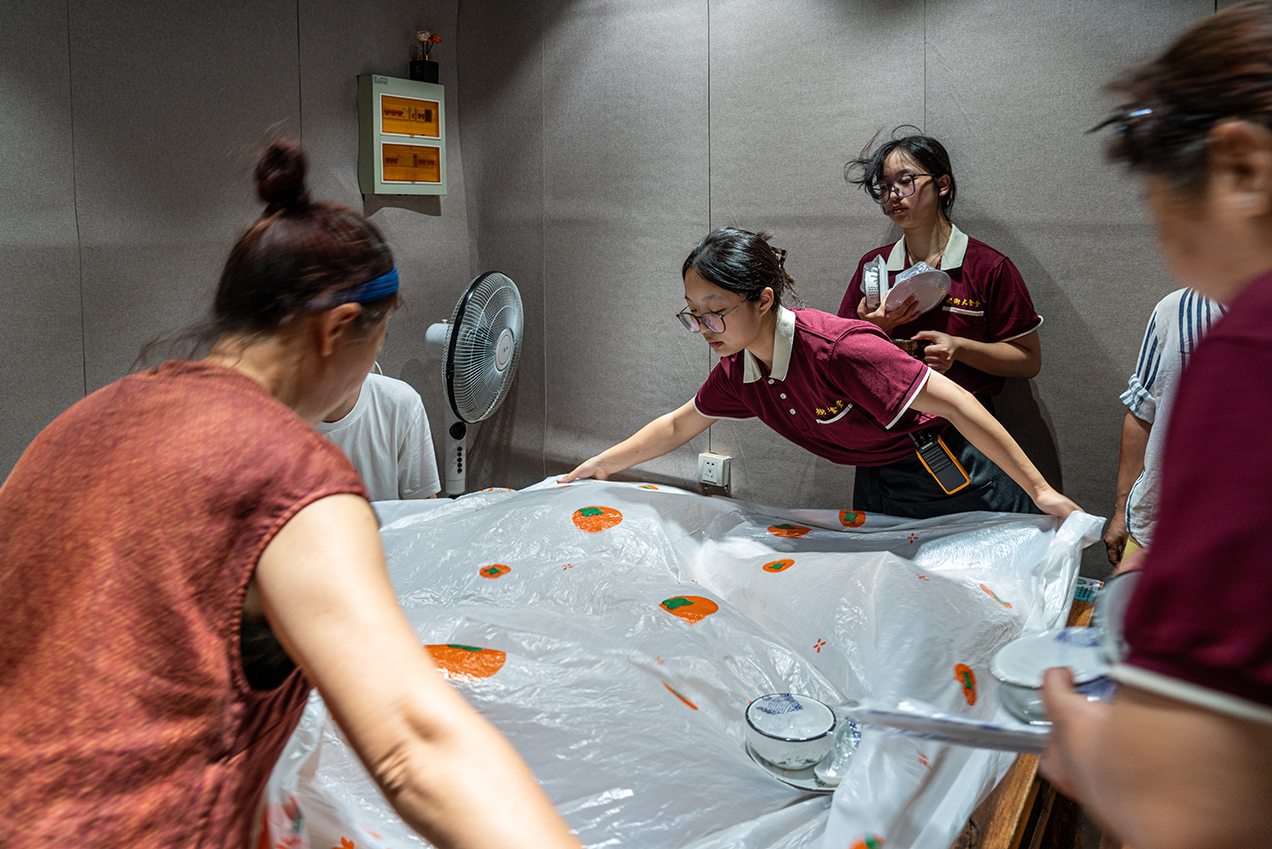
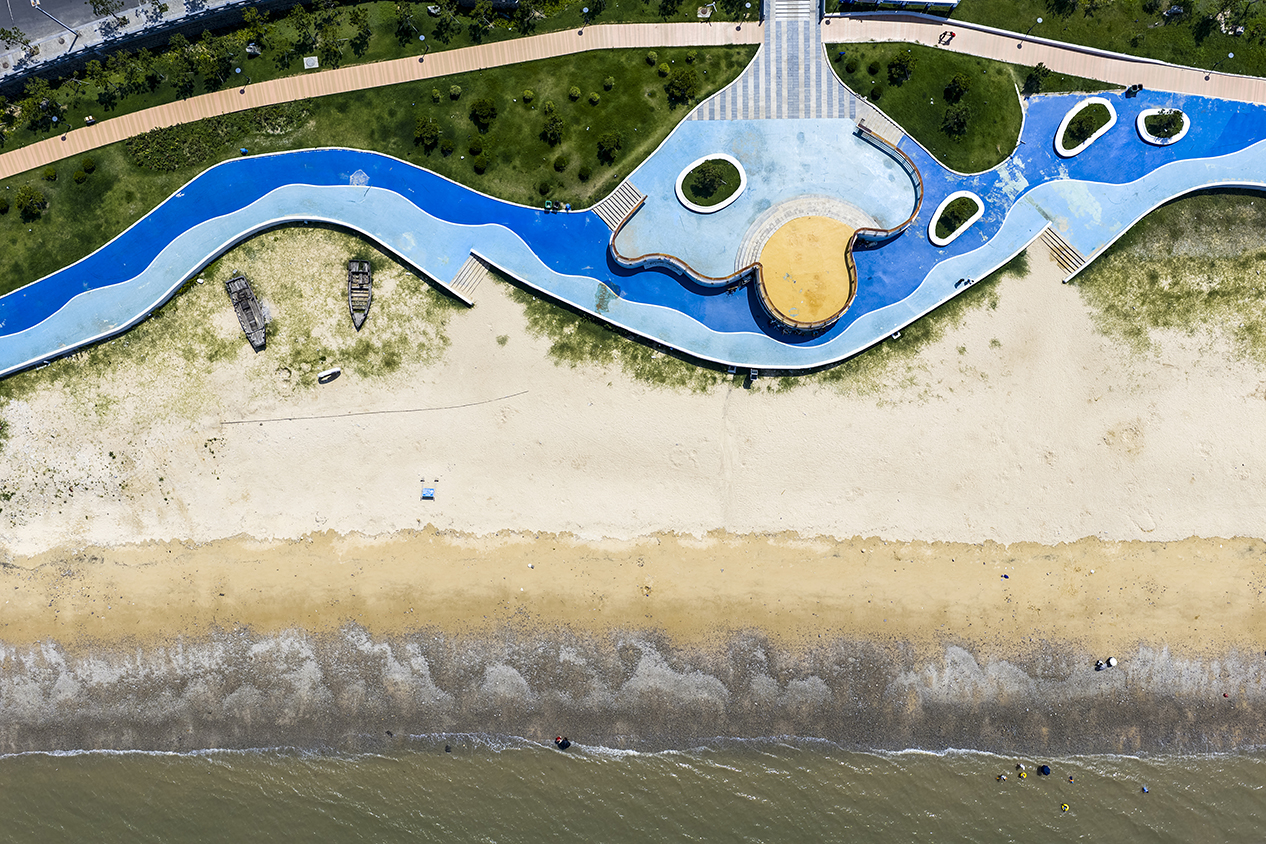
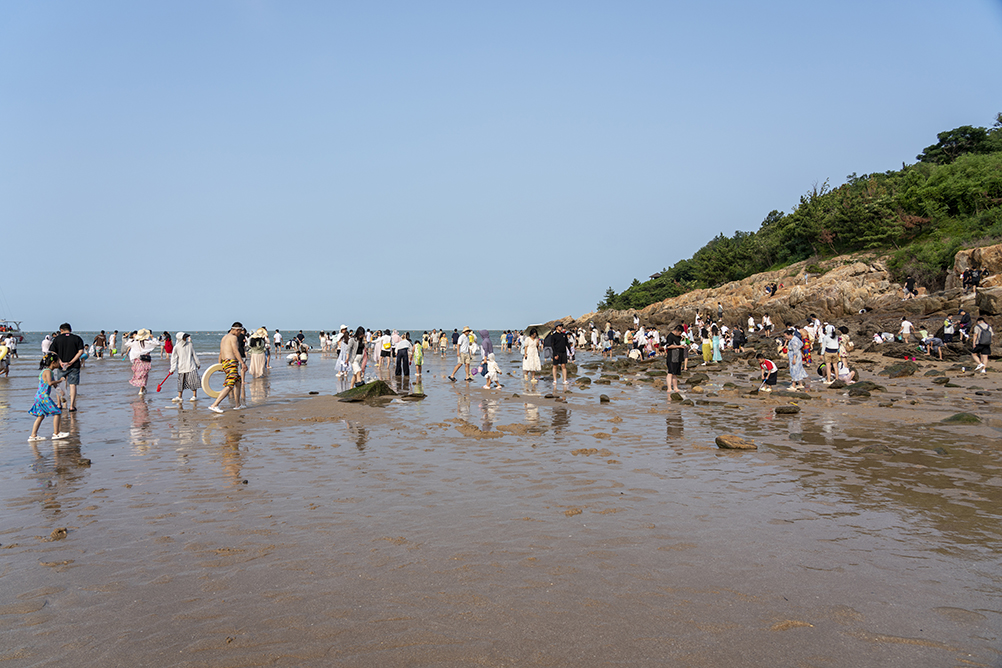
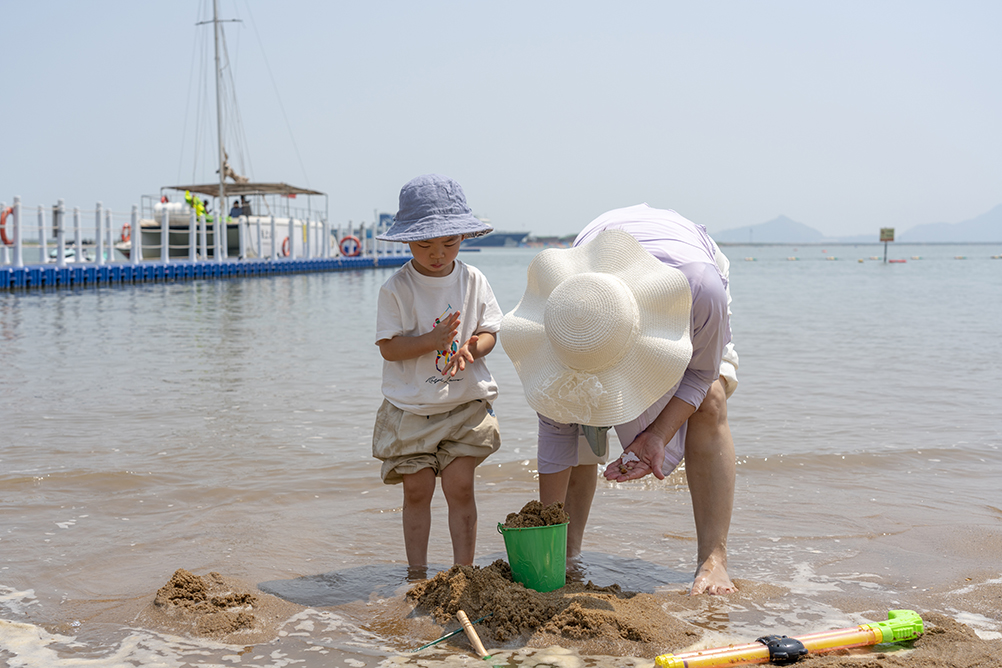
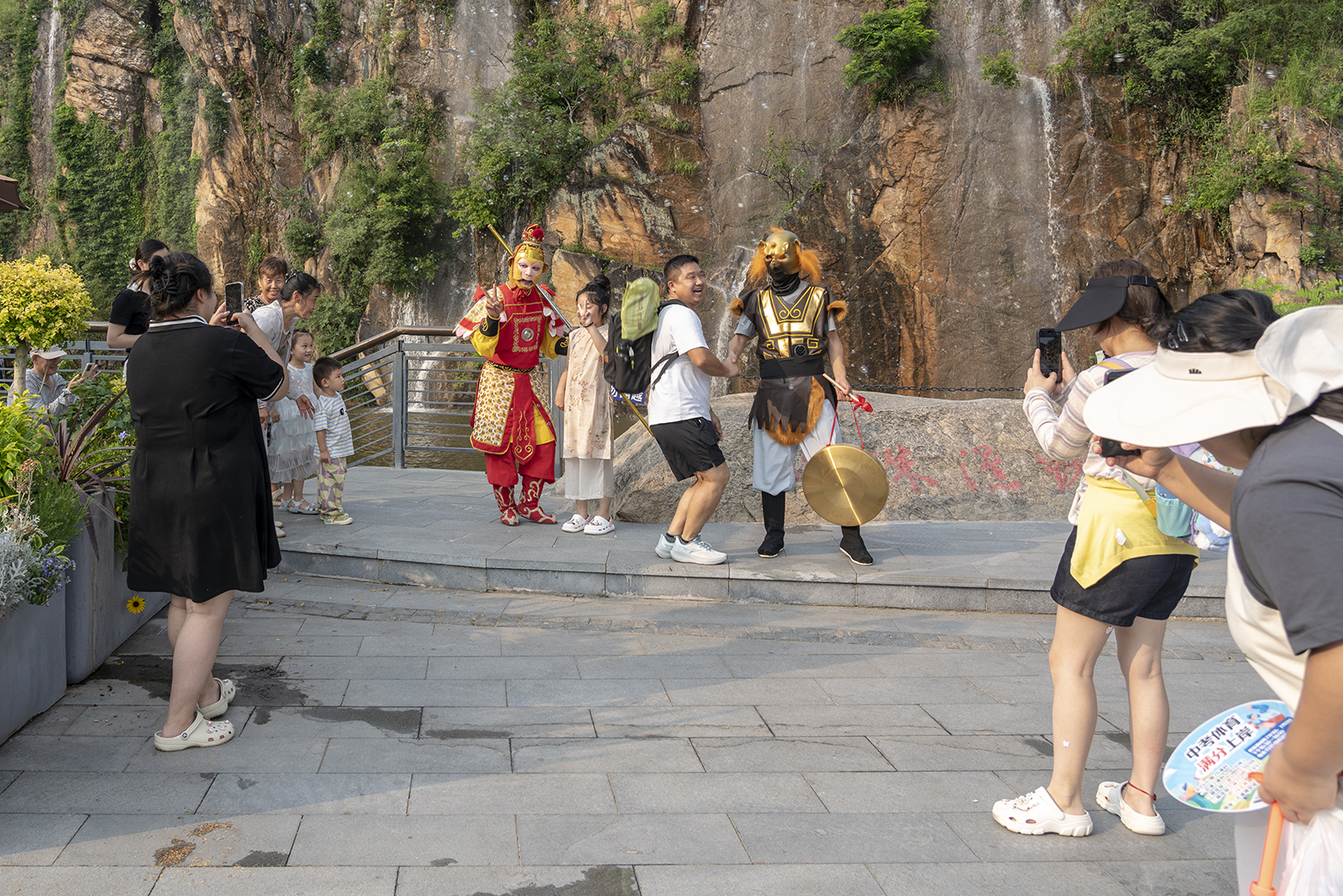
The first aerial image below shows the Lian Island Scenic Area to the left of the port, and the Lianyun Ancient Town and Yuntai Mountain Scenic Area to the right. These tourist attractions were all developed and constructed by the local government. Standing on the viewing platform of Yuntai Mountain Scenic Area, visitors can overlook Lianyun Ancient Town, Lianyungang Port, Lian Island and the sea, which forms a magnificent picture of ‘mountain, sea and port city’. Lian Island Scenic Area is one of the most successful examples of harbour tourism economy. A reclaimed 6.7-kilometre-long seawall, the longest in China, connects the city centre and Lian Island, integrating the port’s functional areas with the tourist area. Visitors can enjoy various water activities on the beach while experiencing the port’s industrial history. The island has approximately 3,500 permanent residents, 80% of whom are engaged in tourism-related industries. Local specialty products account for 30% of total tourism revenue, mainly including seaweed and shell handicrafts. Located on Yuntai Mountain next to the port, Lianyun Ancient Town is a living fossil of the port’s development history. In the 1930s, with the construction of Lianyungang Port (then called Laoyao Port), a large number of engineers, workers and traders gathered and gradually formed this small town. To protect and use this precious historical heritage, the local government formulated a unified plan to renovate the town, including restoring the stone-paved streets, updating water and electricity supply networks, improving firefighting facilities, and introducing business models suitable for the town’s characteristics, such as guesthouses, restaurants, and cultural and creative industries. This has provided numerous jobs for local residents, such as scenic area management, security guards, cleaners, tour guides, guesthouse owners, restaurant servers and specialty product sellers.