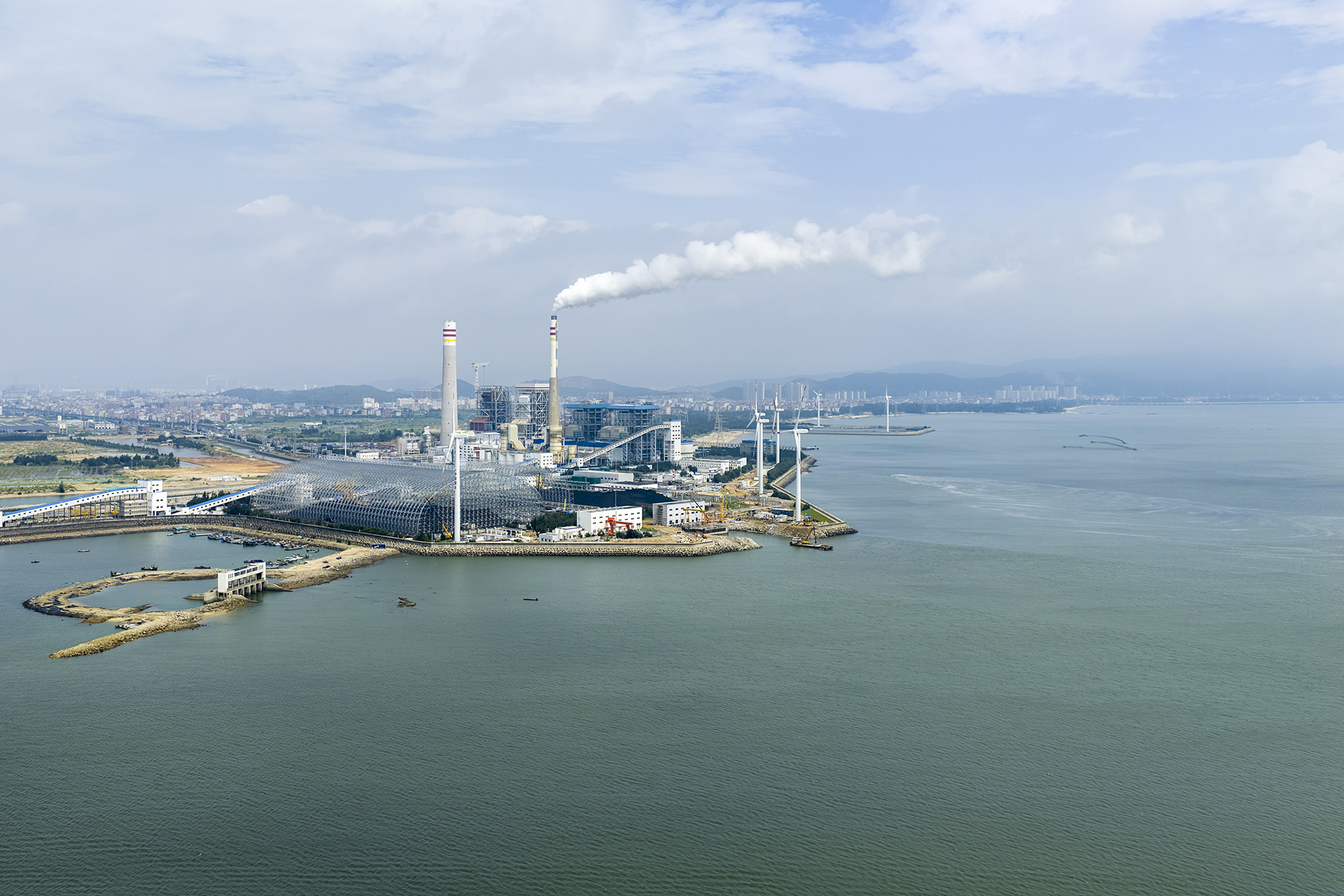
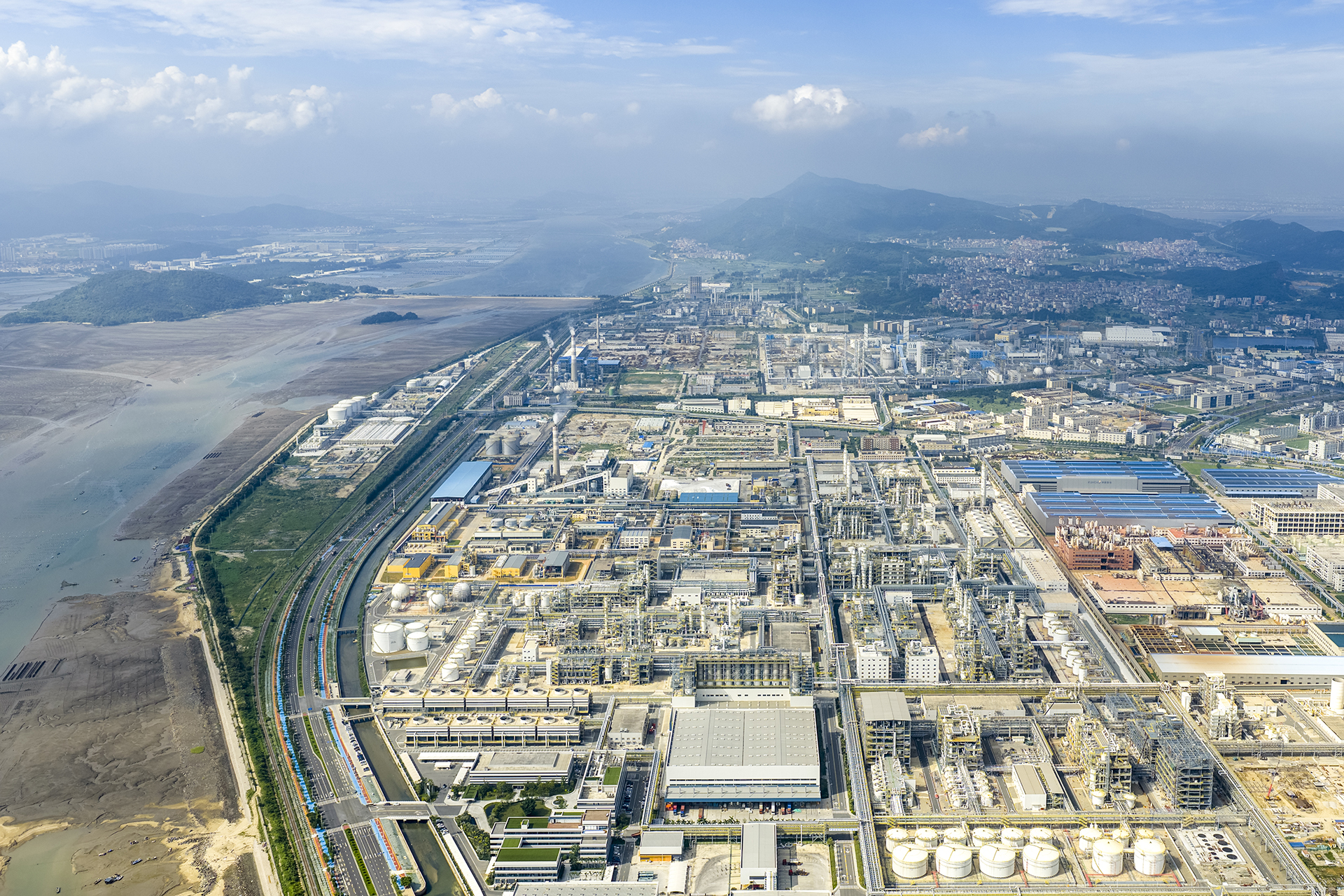
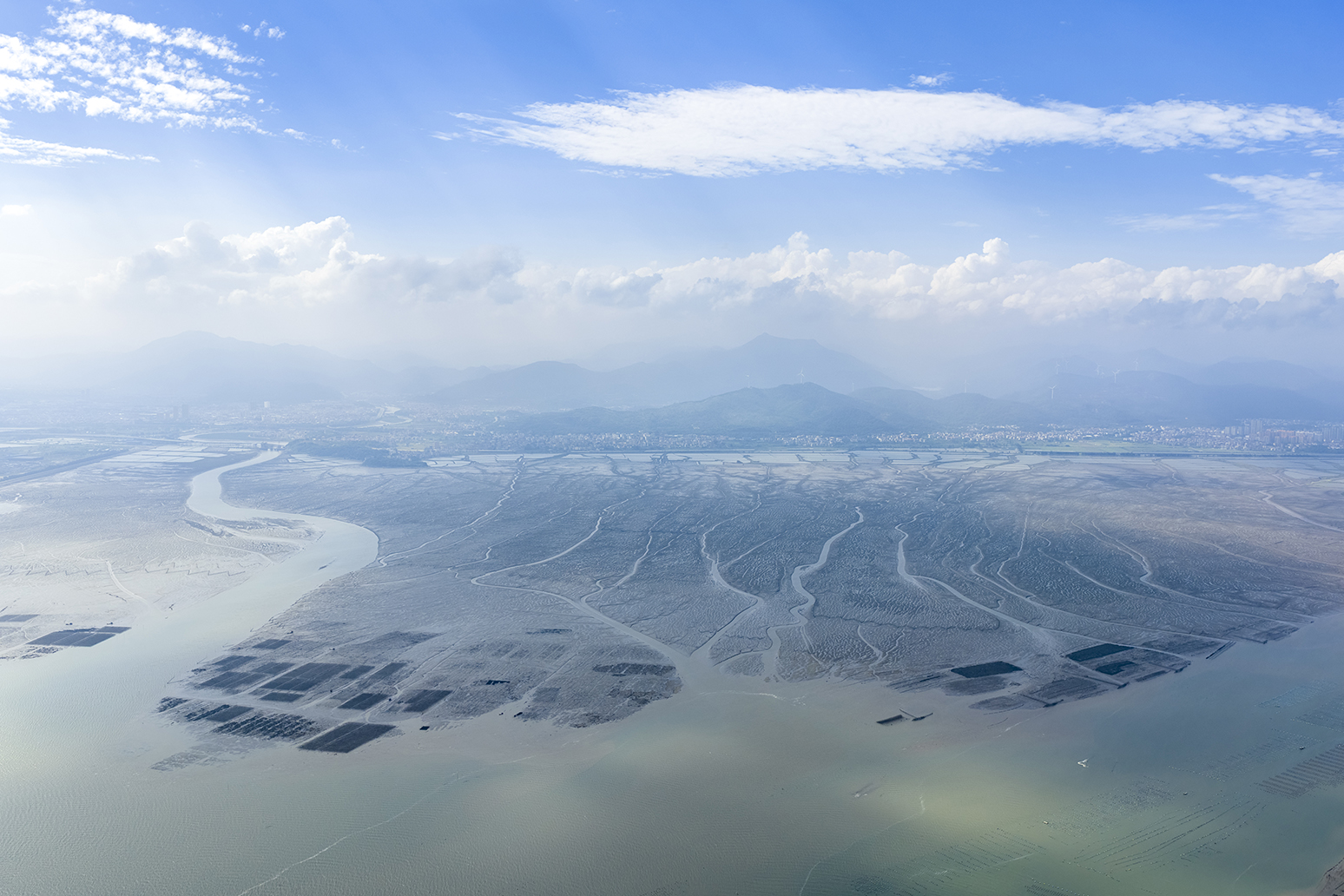
Xinghua Bay is located in the middle of the coast of Fujian Province, China, at 25°24.3’ north latitude and 119°19.8’ east longitude. It borders Fuzhou City to the north, Hanjiang District to the west, and Xiuyu District and Quangang District to the south. It is the largest bay in Fujian Province. Xinghua Bay has a coastline of approximately 223 kilometres and a sea area of approximately 619 square kilometres. It is a typical tectonic bedrock bay, surrounded by low hills and numerous islands, with excellent water depth and good shelter from the wind. After the launch of the Fujian Province Large Deepwater Port Protection and Development Plan in 2006, Xinghua Bay became one of the core areas of the West Coast Economic Zone of the Taiwan Strait. The Three Gorges Group built the world’s first high-power offshore wind power test site and industrial park in the bay, promoting the capacity of domestically produced wind turbines to reach 16 megawatts.
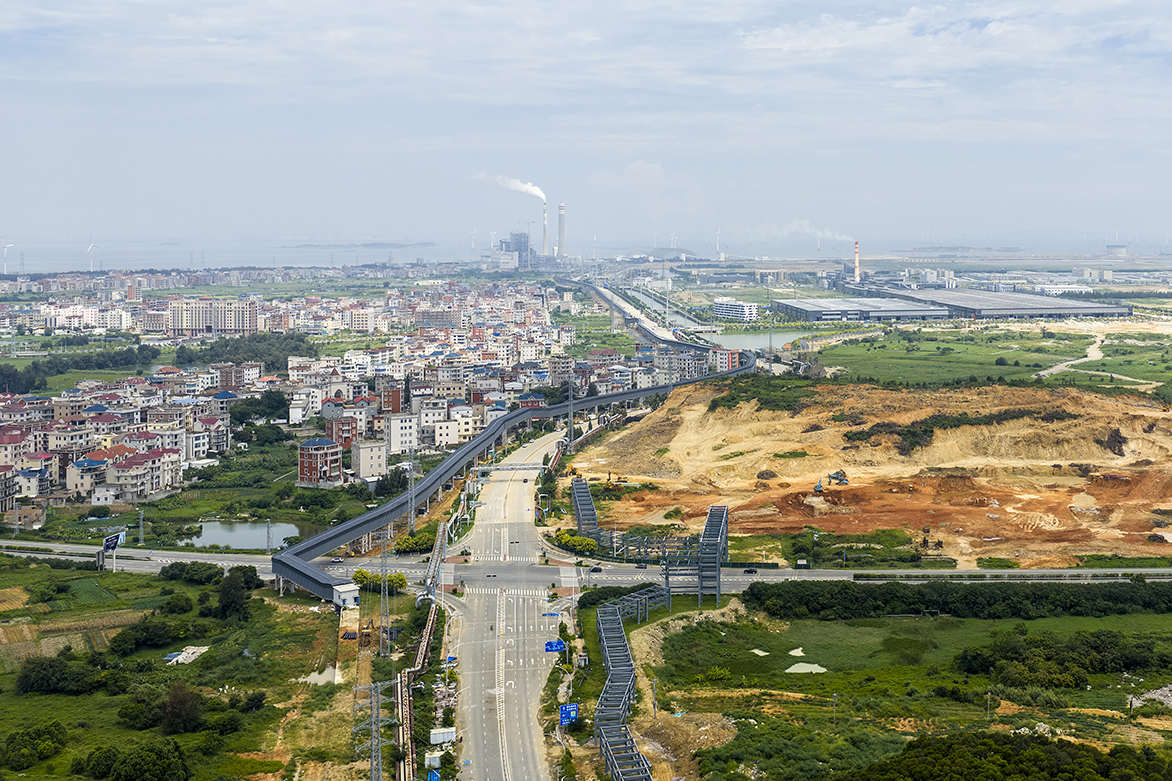
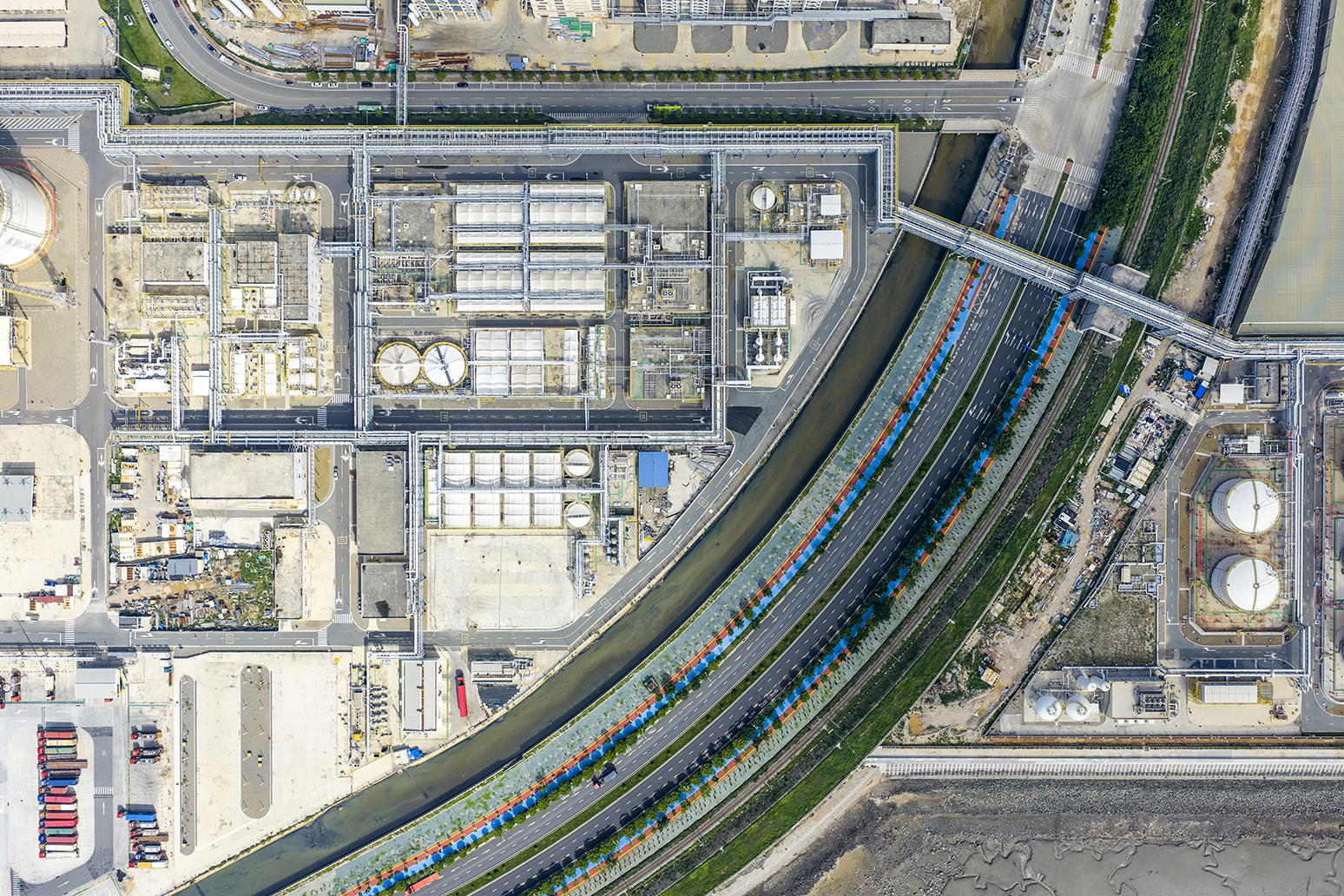
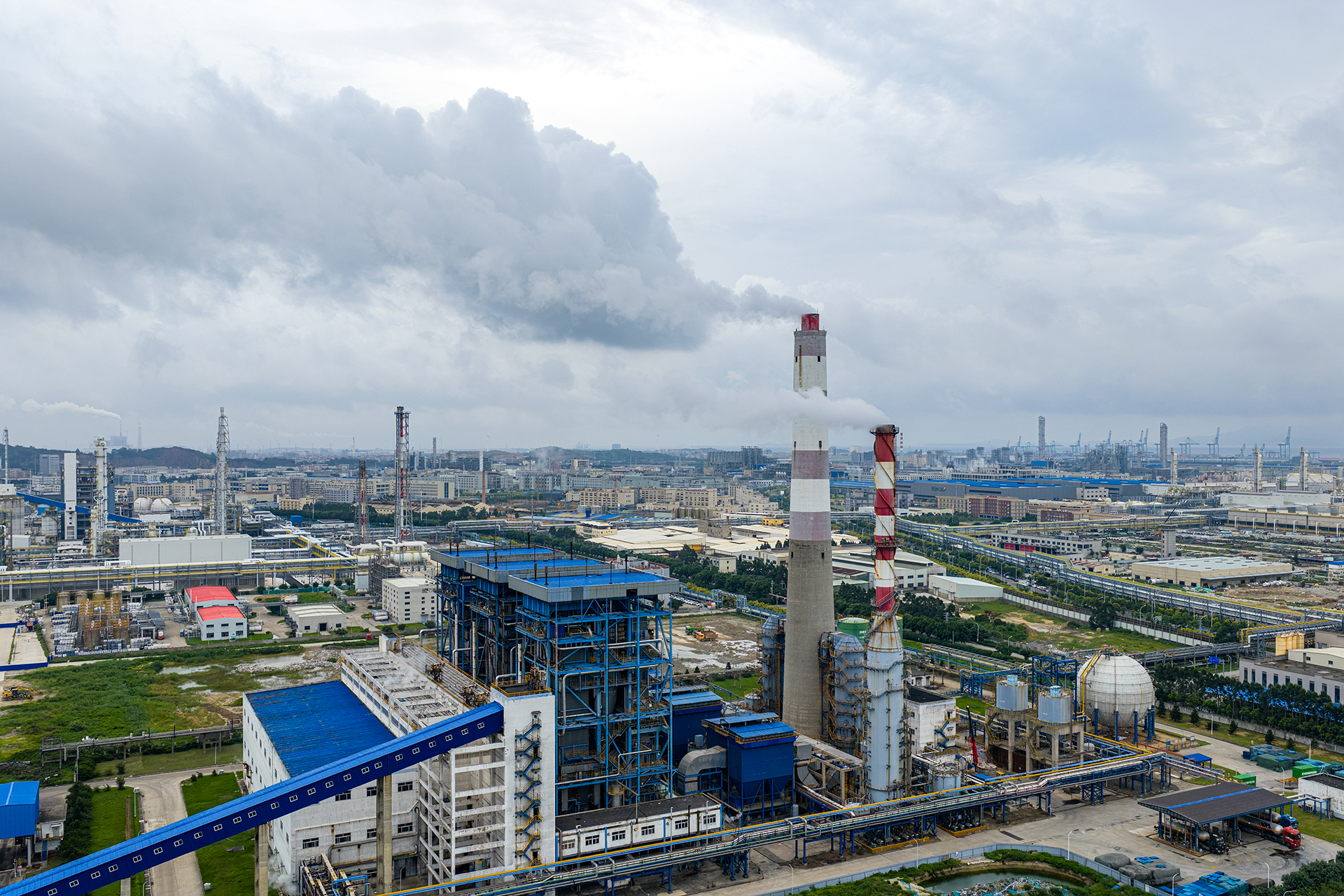
Due to large-scale land reclamation and port-related industrial development, the coastline of Xinghua Bay is in a state of constant modification. Much of the original natural coastline has been transformed into artificial coastlines, such as port dams and breakwaters, and their length and shape have changed dramatically compared to decades ago (shown in the satellite images on previous page). Its core driving force is the huge demand for land resources brought by rapid economic development, especially for serving the Jiangyin Deepwater Port and the strategic emerging industries behind it, such as port-based heavy chemical industries, energy industries and offshore wind power, etc. Since the early 2000s, more than 100 square kilometres of new land has likely been reclaimed to serve ports and industries, and this figure continues to grow.
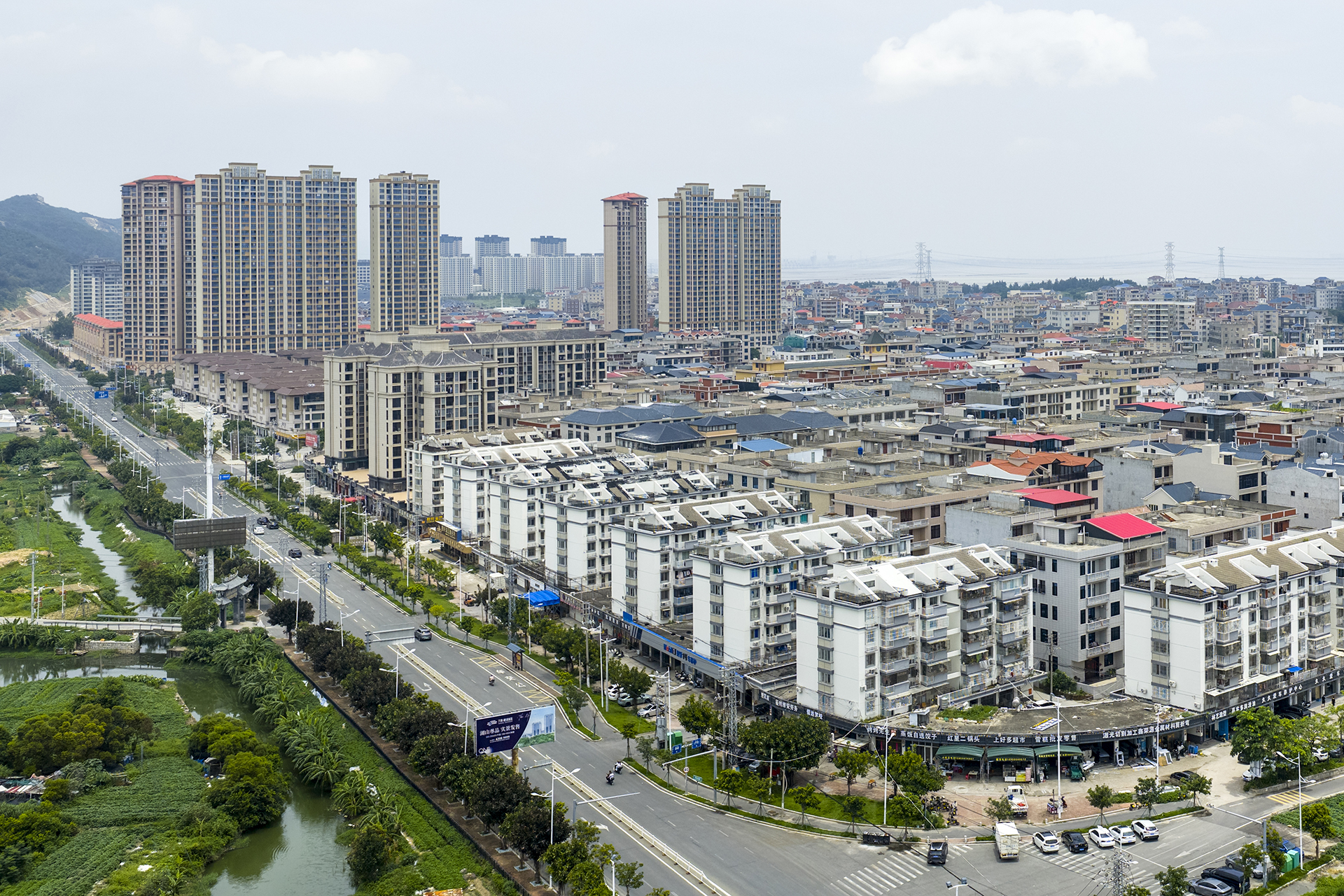
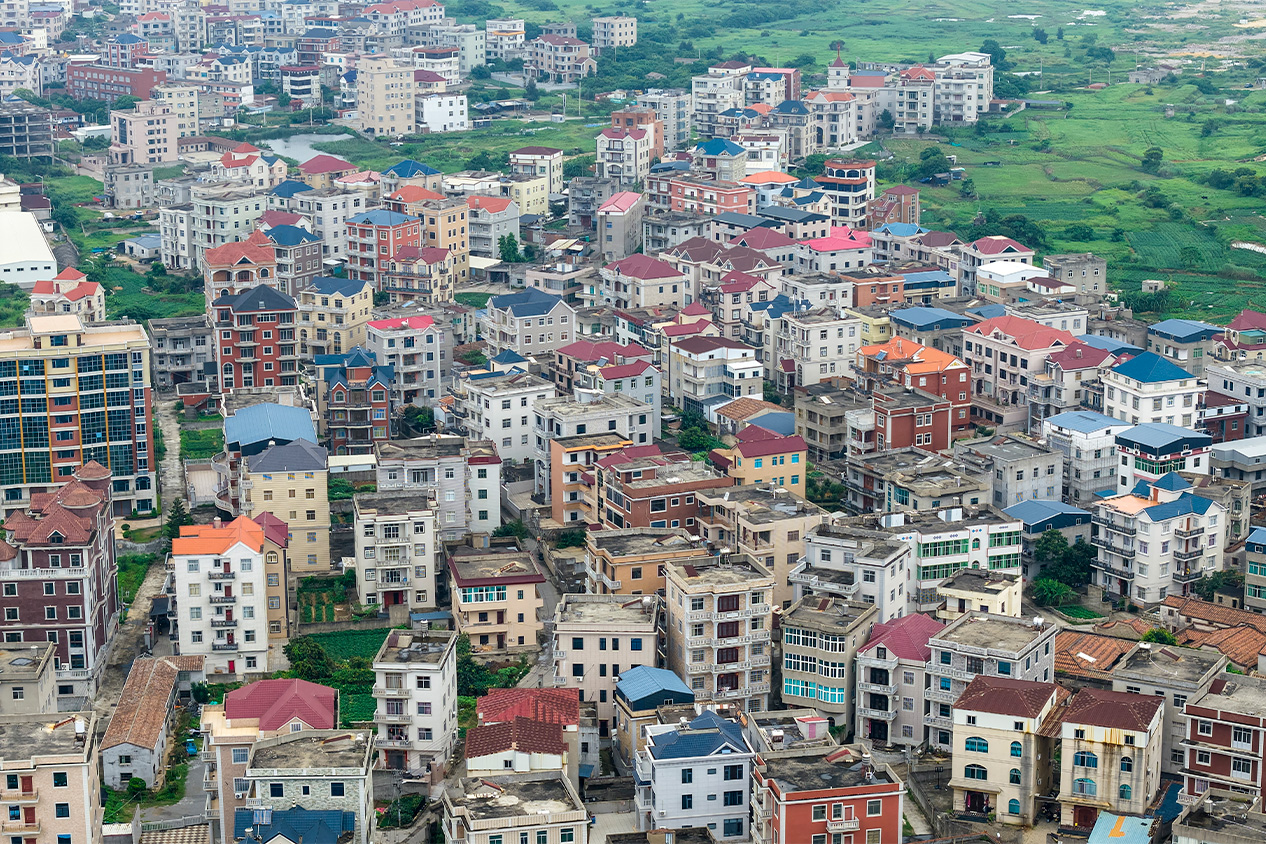
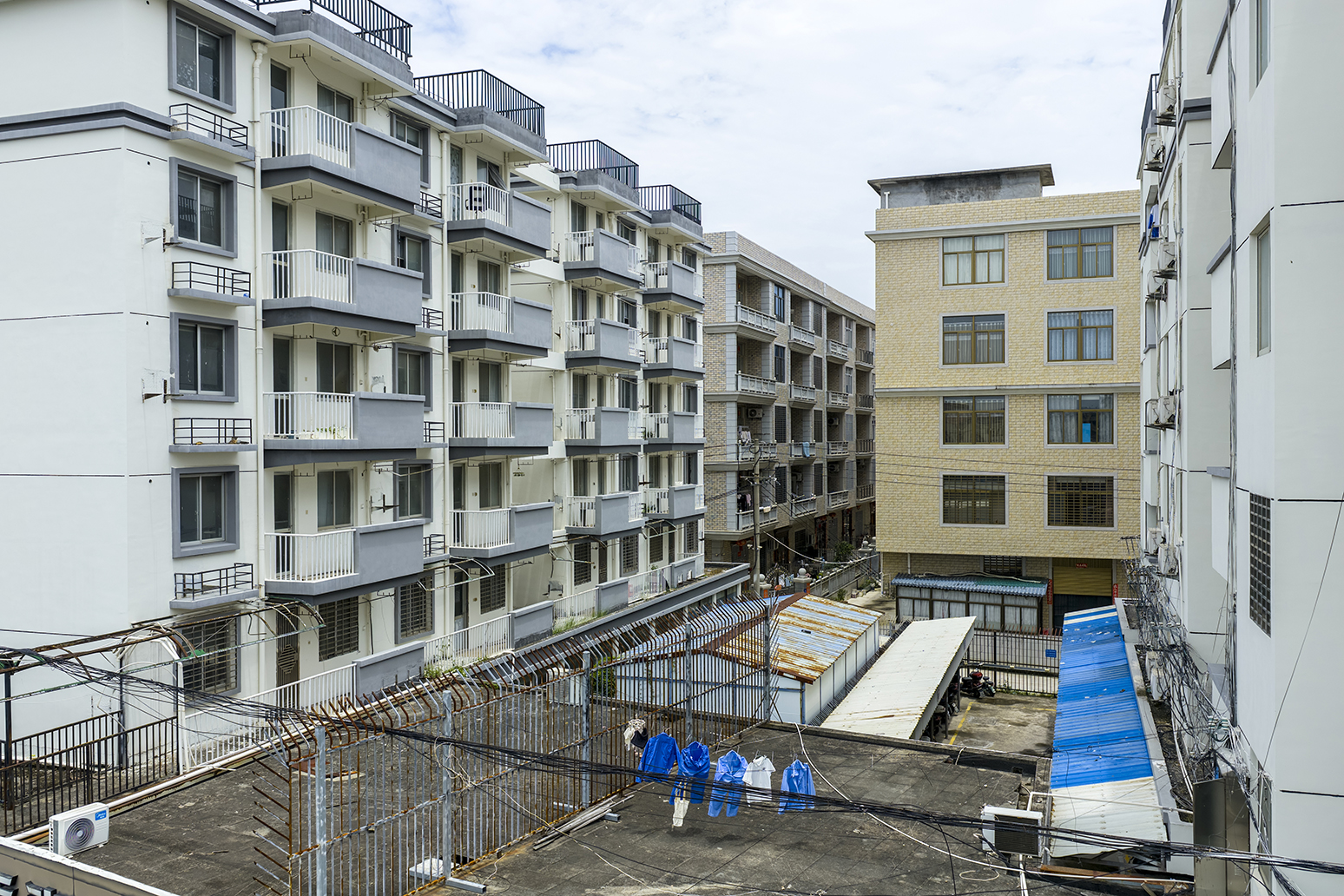
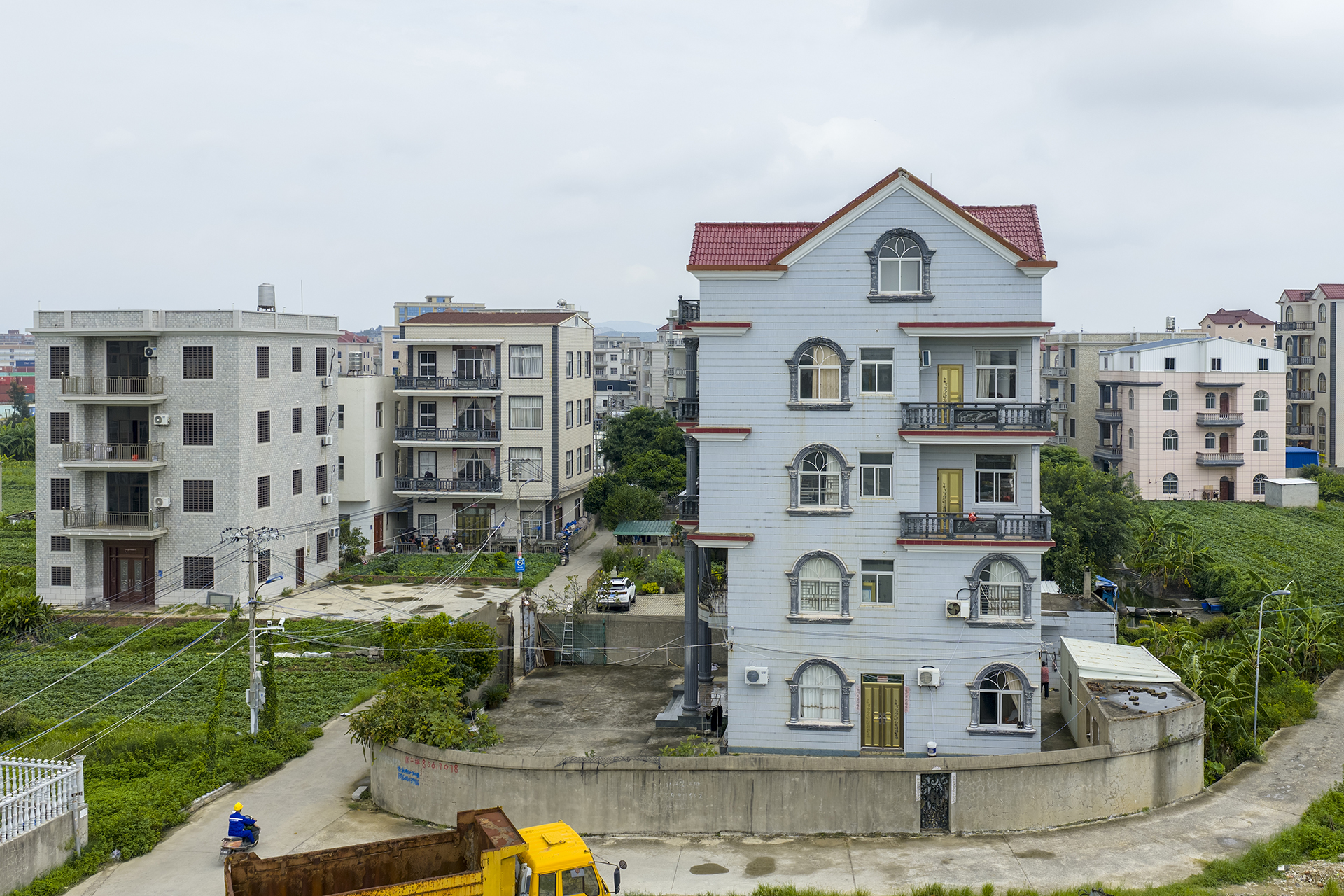
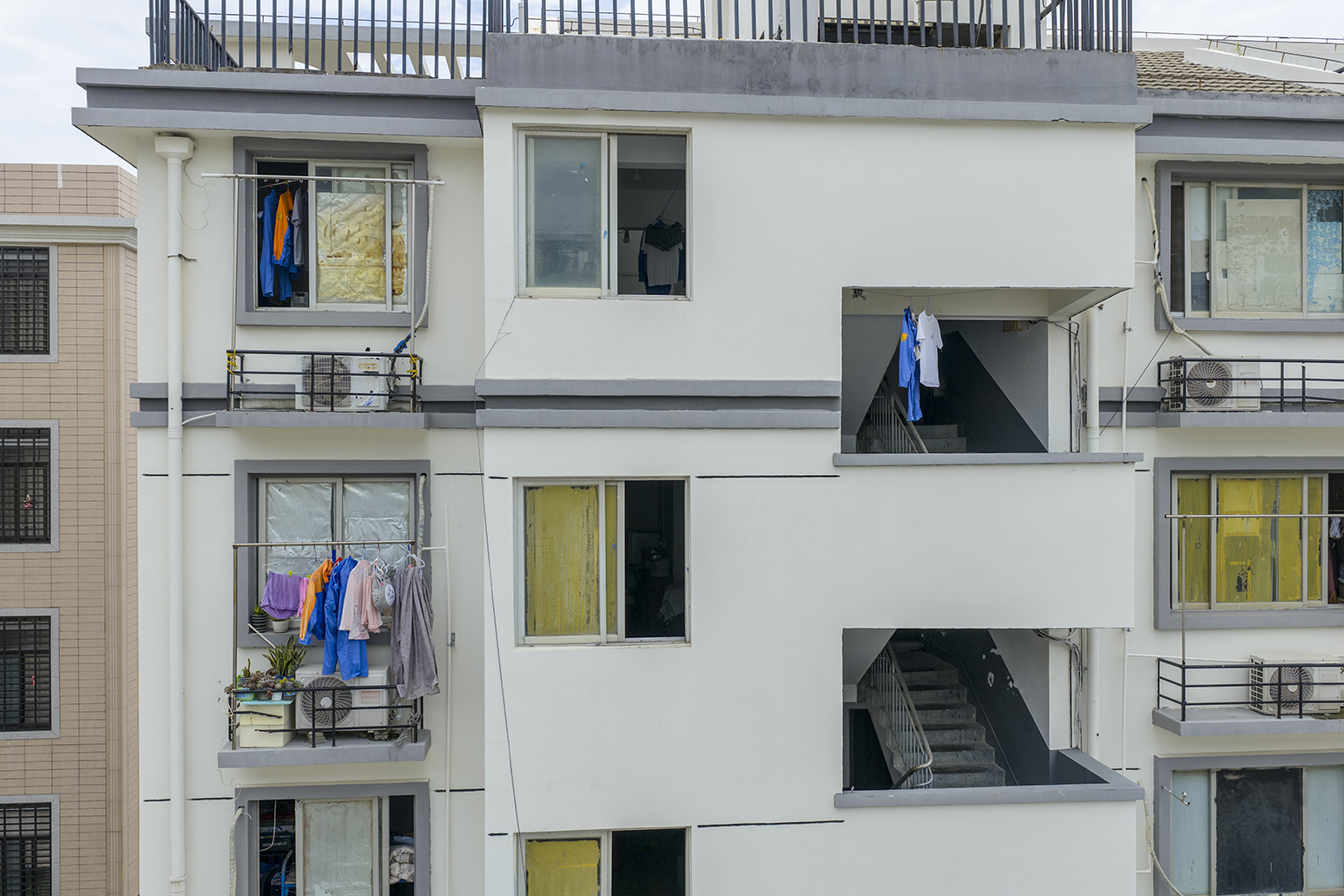
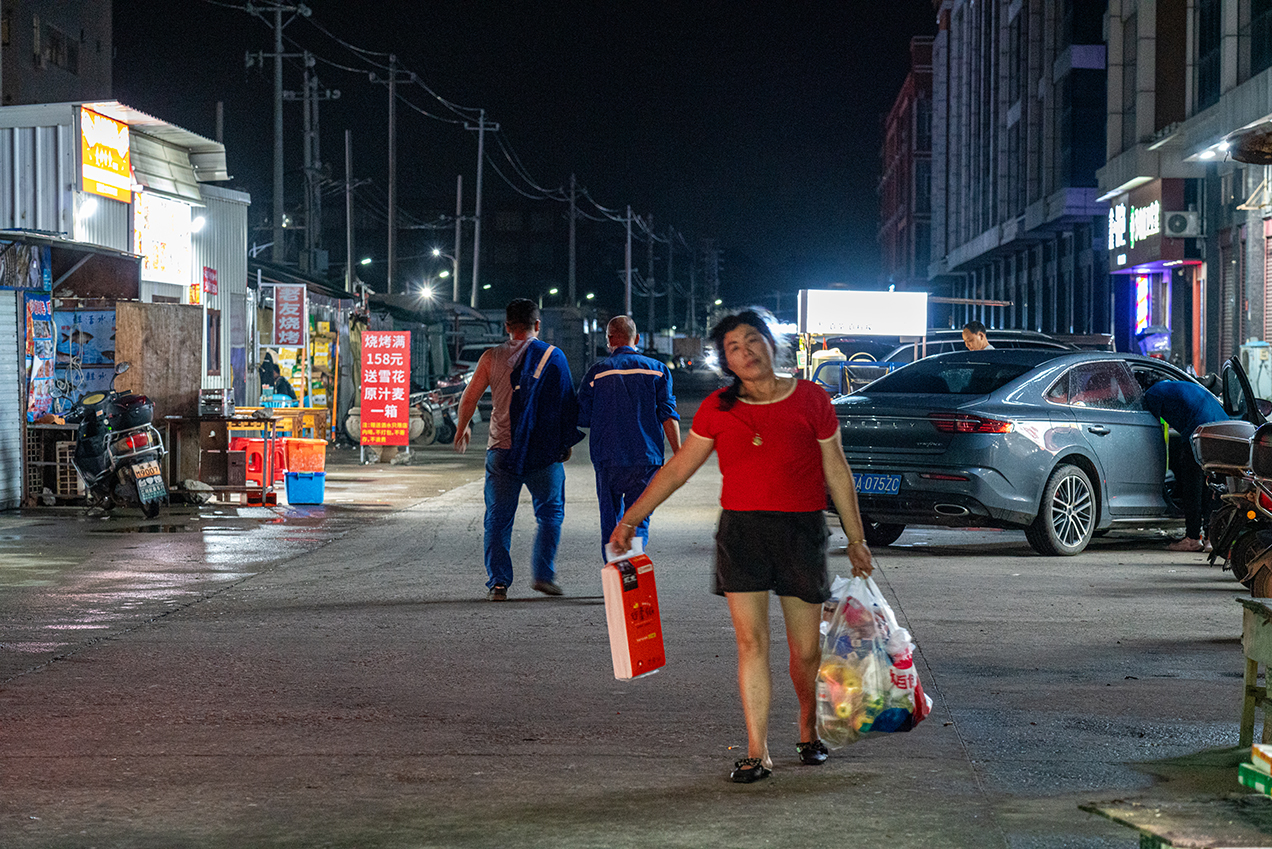
From the satellite image, the red dot on the right is Jiangyin Port City Economic Zone in Fuzhou City, where Jiangyin Deepwater Port is located. There were seven natural coastal towns built on the mountains until the land reclamation projects for the port and industries began. ‘The coast once belonged to us was taken away by the government,’ said Mr. Li from Shatang Village, ‘They promised to give each person 20,000 yuan (2150 pounds) in demolition compensation, but in the end, each household only received 2,000 yuan (215 pounds).’ Mr. Li was initially suspicious of the camera and kept questioning why an outsider would be interested in the demolition situation in his town. After repeated assurances that he would not be filmed or recorded, he gradually relaxed and provided a considerable amount of information. To facilitate the port and industry construction, all natural villages in Jiangyin Port City Economic Zone will be demolished, and the government will provide housing for the locals who agree to relocate. ‘What happens if someone does not want to relocate?’ ‘They will cut off your electricity and water supply.’
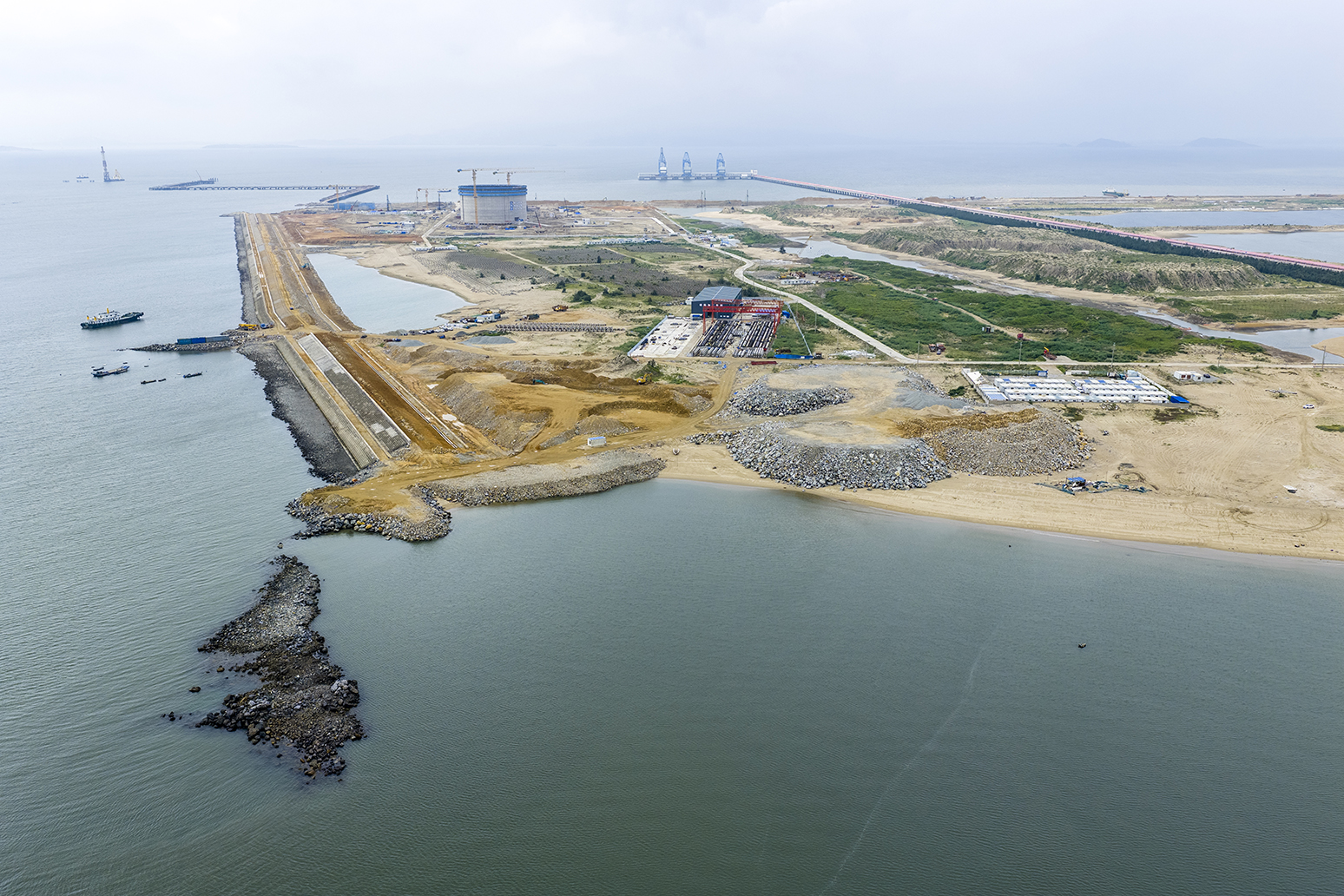
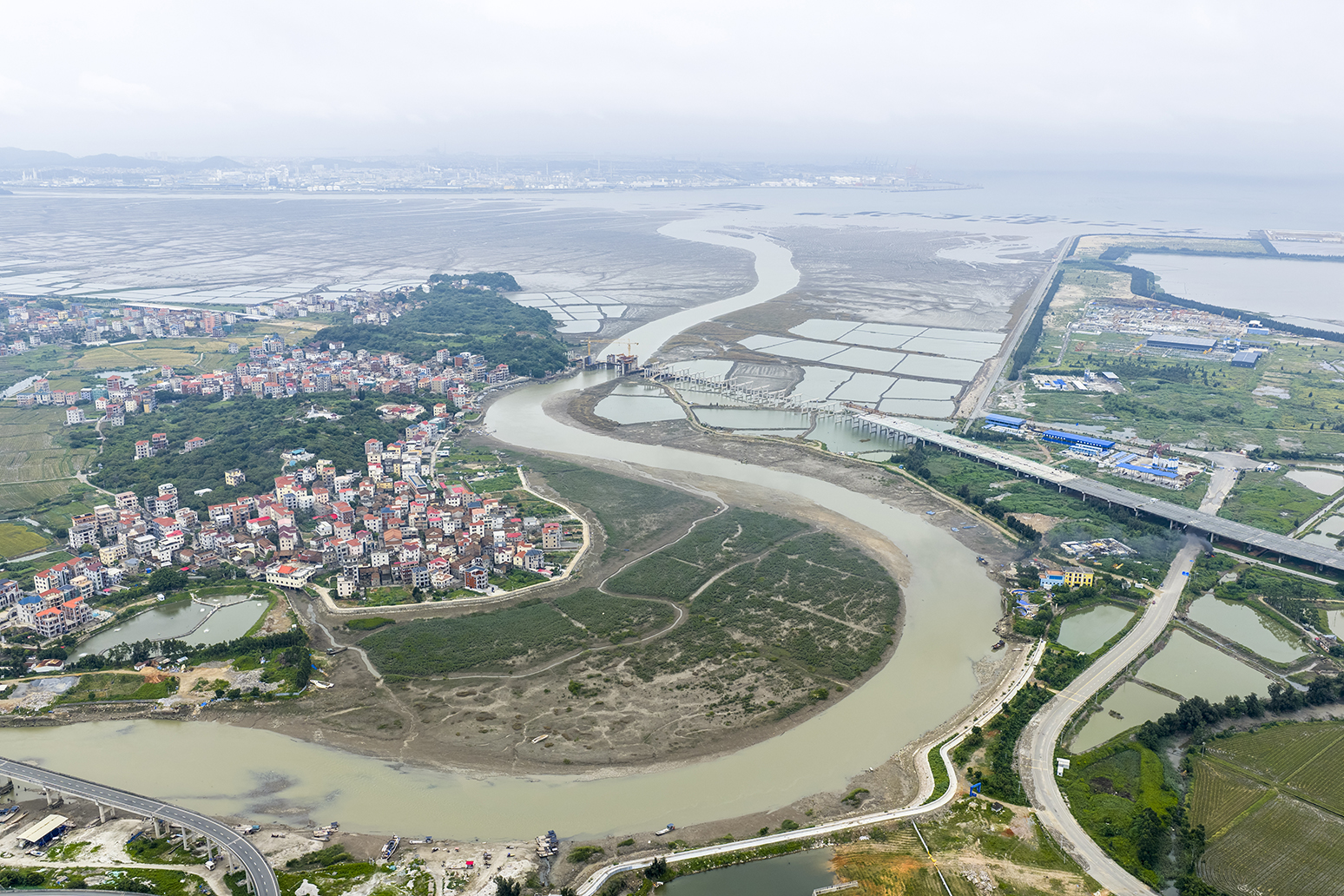
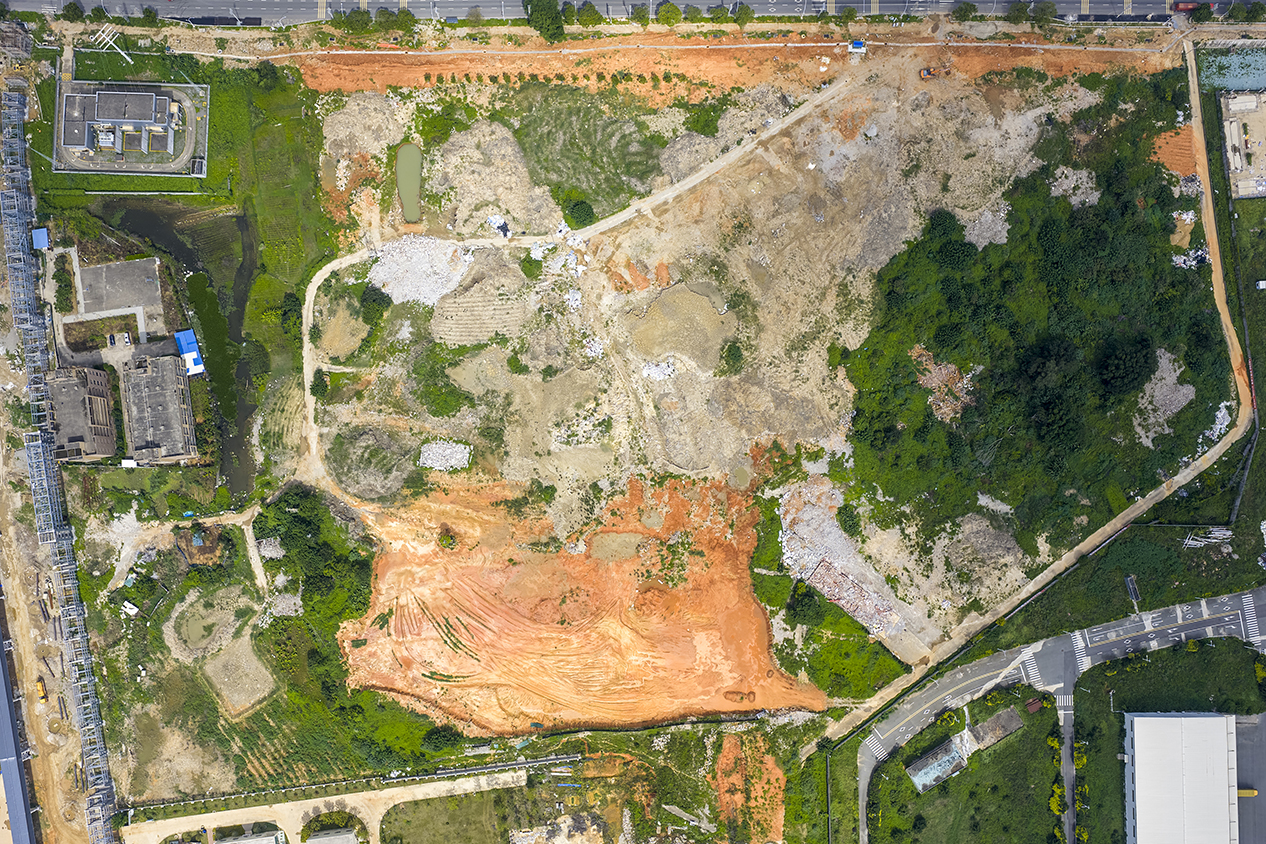
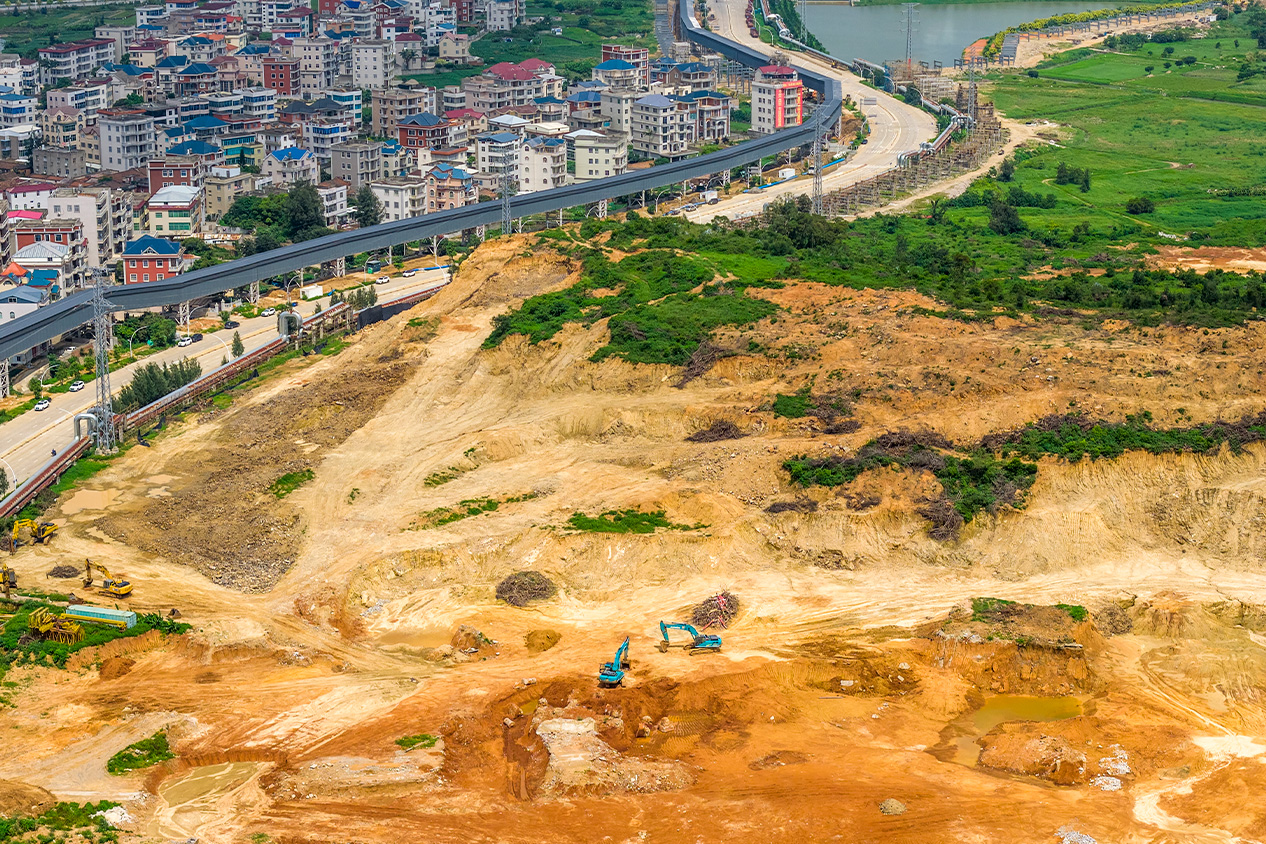
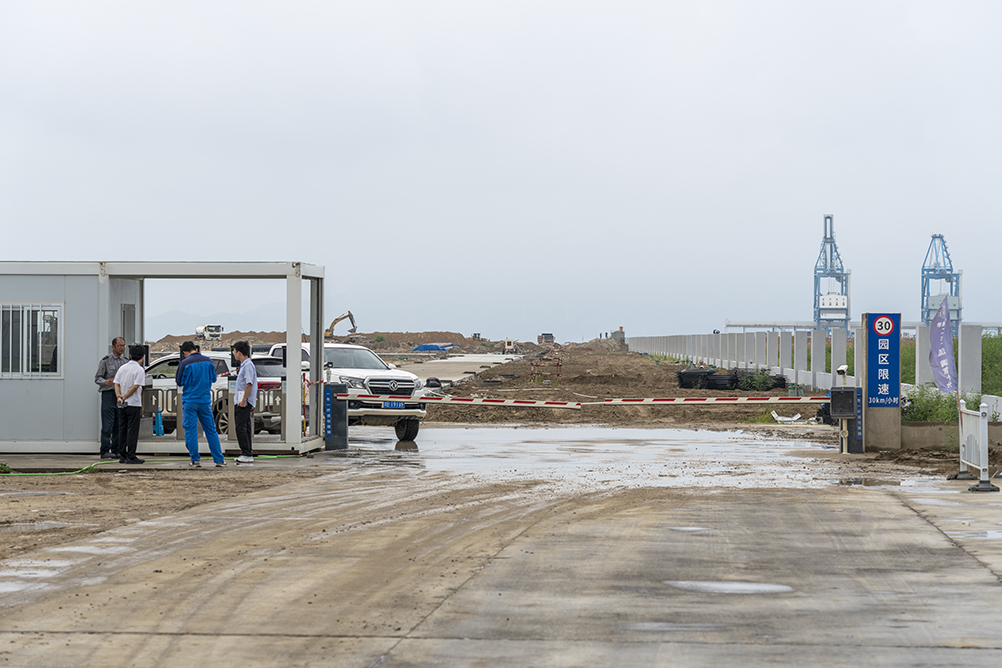
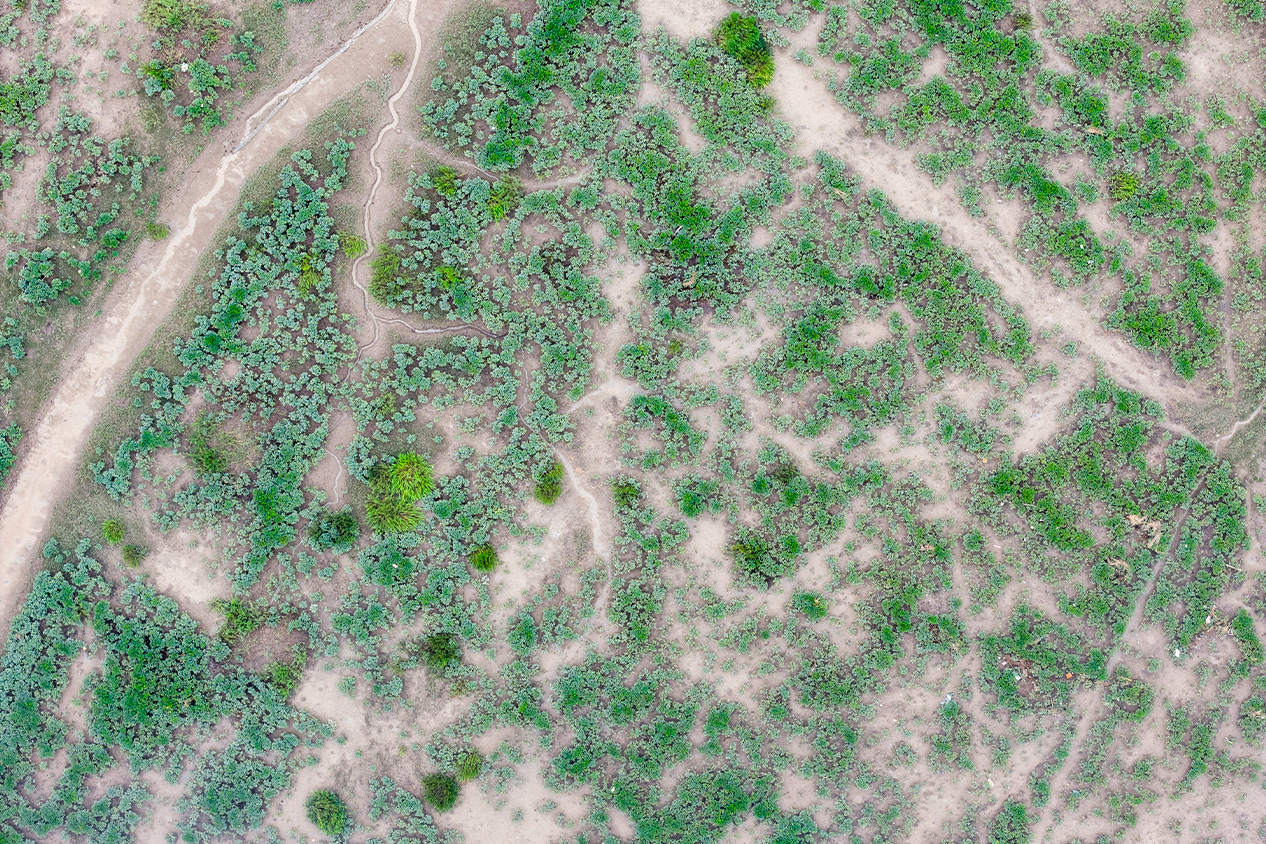
Mr. Li said that they could hear the construction noise every day, from morning to night, even at 10 p.m. ‘Are they demolishing the village?’ ‘Yes, both demolition and reclamation. You should go and see.’ However, according to the 2018 Notice of the State Council on Strengthening the Protection of Coastal Wetlands and Strictly Controlling Sea Reclamation, there should be no new land reclamation activities in Xinghua Bay. As the Notice indicates that except for major national strategic projects, the approval of new land reclamation projects will be completely stopped. The images below show the ongoing land reclamation project. Mr. Li stated that this new land will be sold to either Wanhua Chemical or Three Gorges Group. Both companies fall under the category of ‘major national strategic projects’ as defined in the Notice, and therefore have received special approval and policy support from the state.