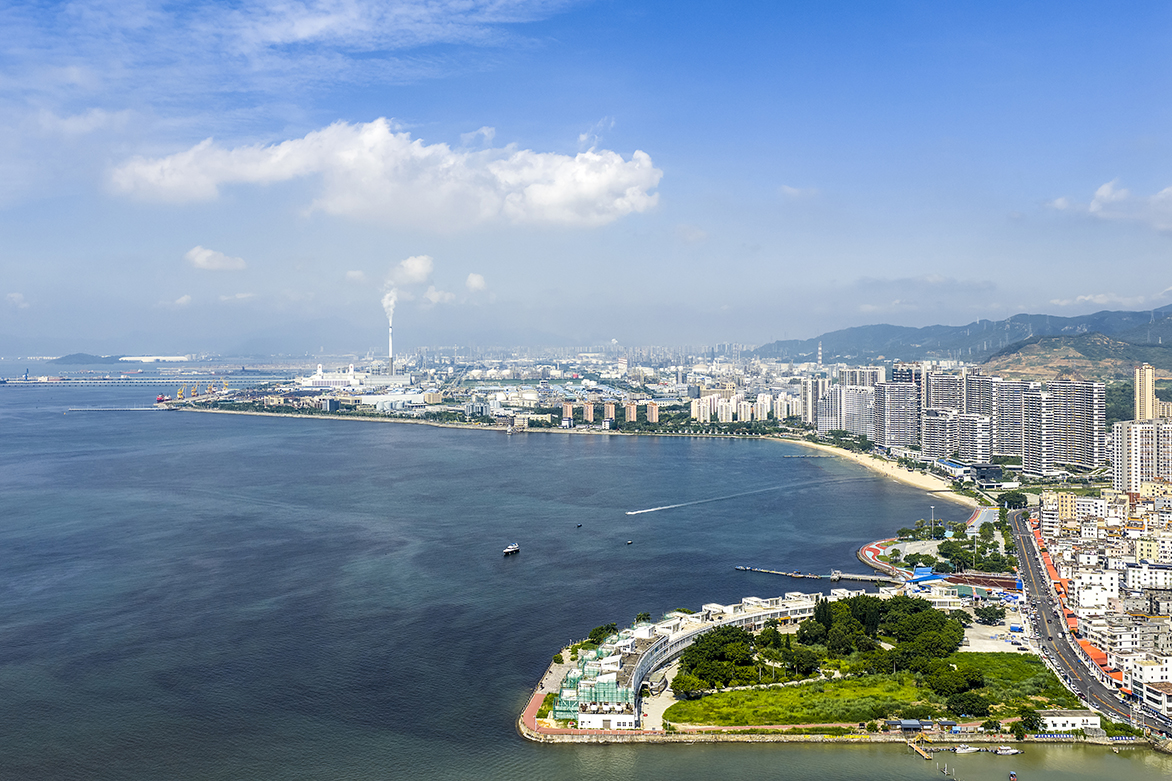
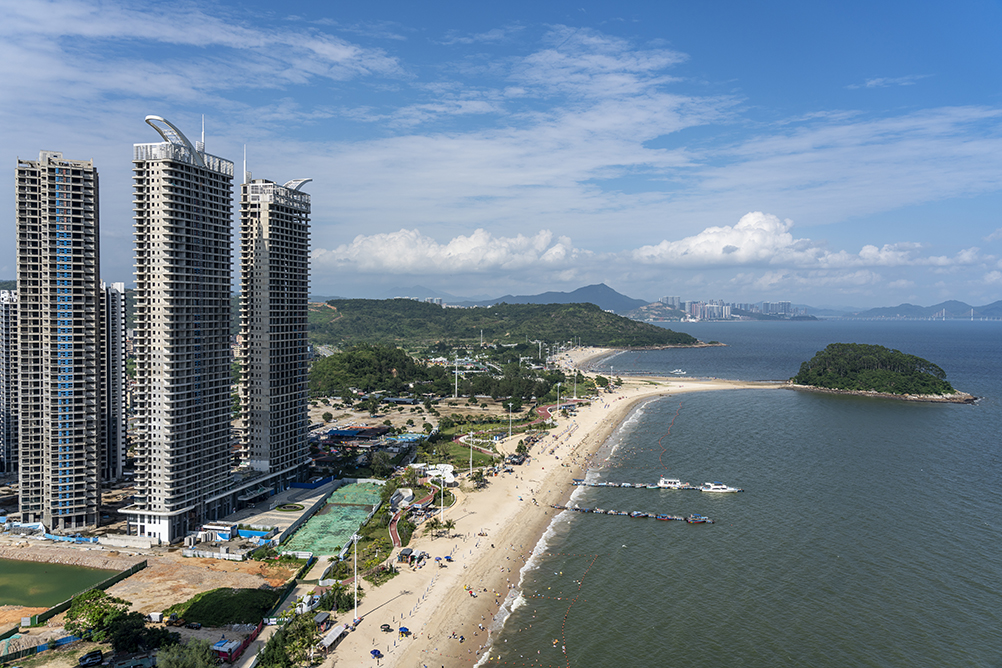
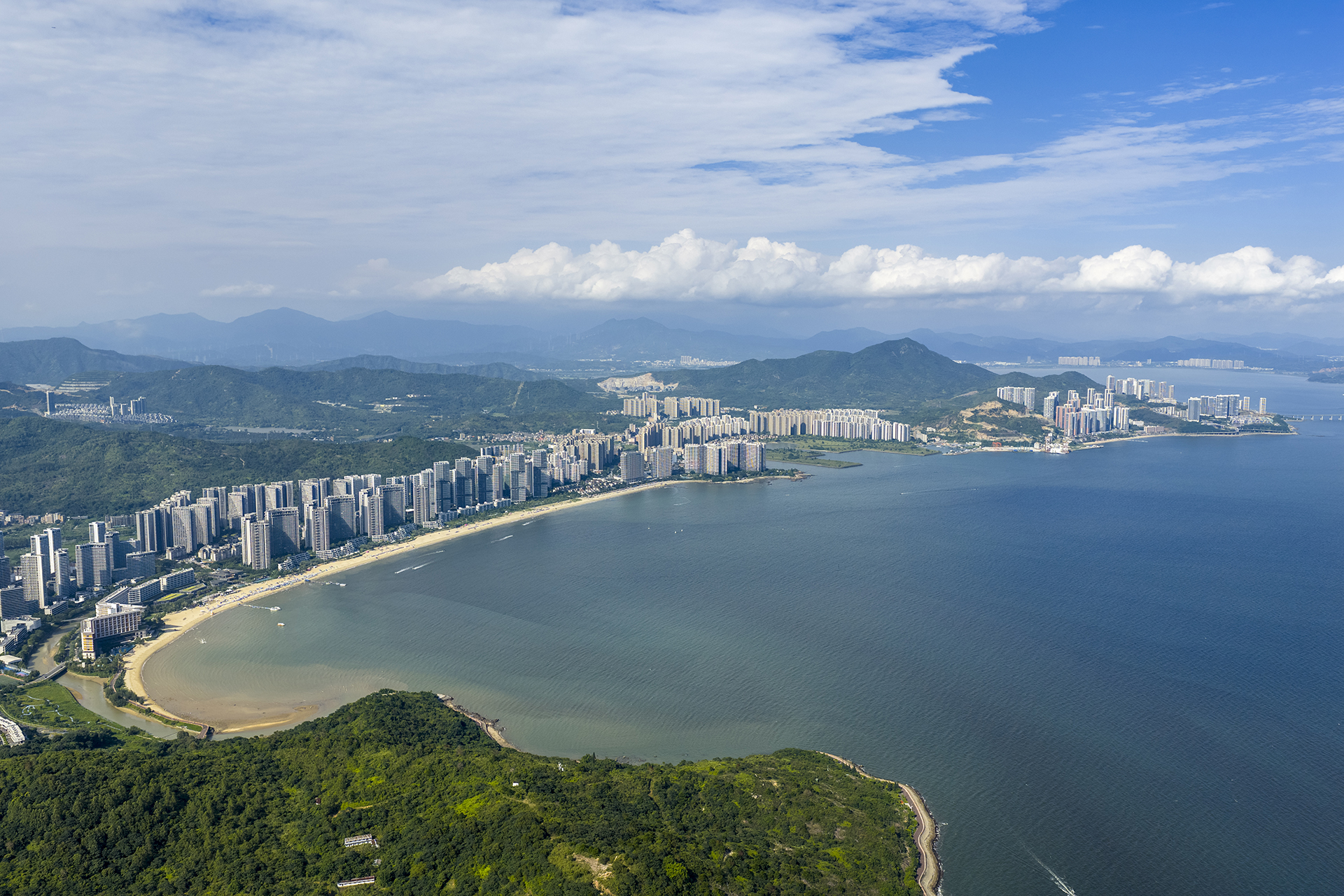
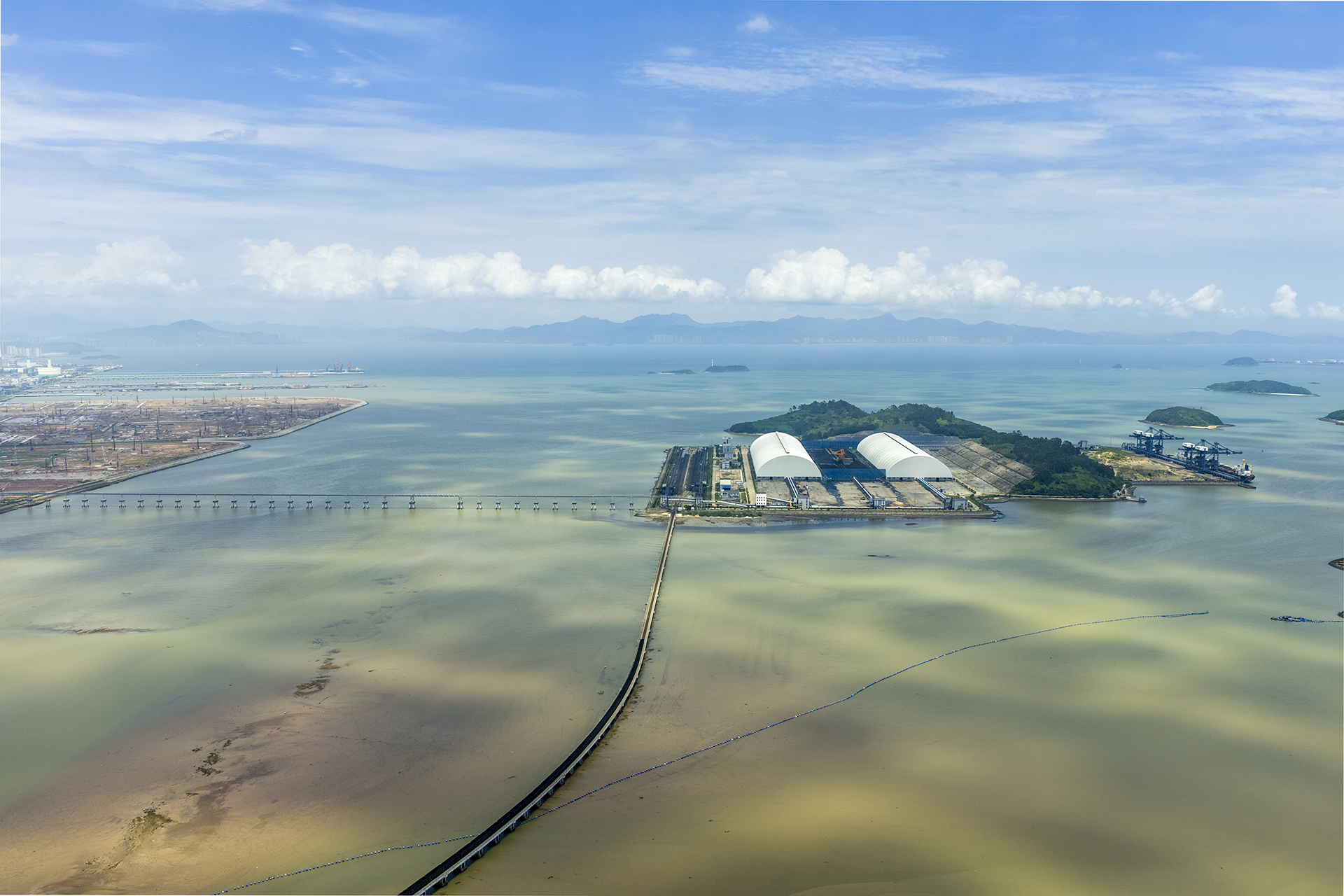
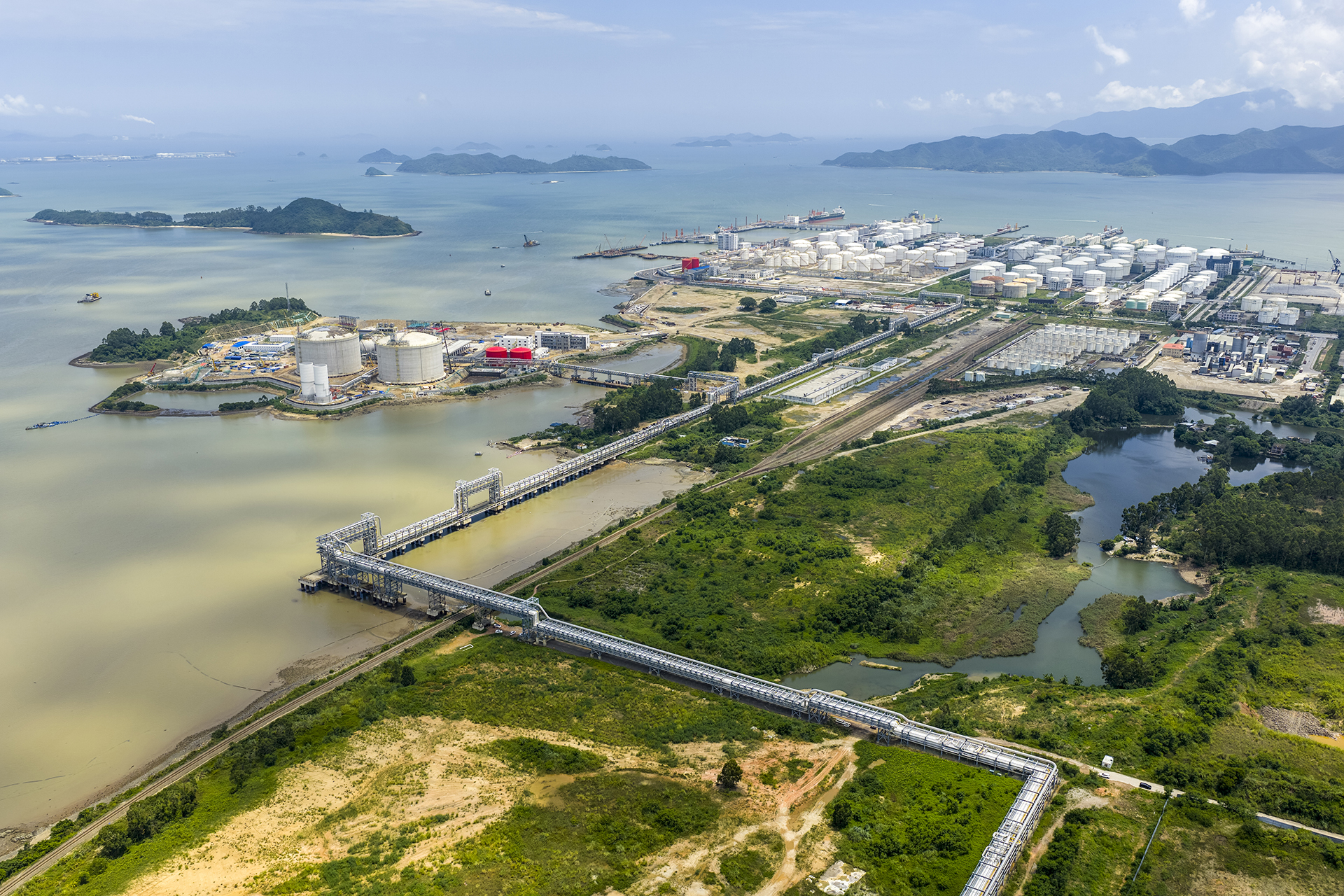
Daya Bay is located in the northern part of the South China Sea in China, at 22°40.1’ north latitude and 114°39.2’ east longitude. It borders Pingshan District of Shenzhen City in Guangdong Province to the west and Huiyang District of Huizhou City in Guangdong Province to the north. It is one of the finest bays along the coast of Guangdong Province. Daya Bay has a coastline of approximately 200 kilometres and a sea area of approximately 650 square kilometres. It is semi-enclosed, with a narrow entrance and a wide interior, surrounded by land on three sides and containing more than 100 islands. Its coastal topography is a mixture of bedrock, sandy and silty coasts, but bedrock coasts are the main feature. China’s first large-scale commercial nuclear power plant is located here.
In January 2025, Daya Bay was selected as one of the third batch of outstanding examples of ‘Beautiful Bays’ in China. The Ministry of Ecology and Environment called it a typical case of coordinated development between petrochemical zones and ecological protection. The white paper Marine Ecological Environment Protection in China, released by the State Council Information Office in July 2024, proposes a comprehensive deployment for the construction of beautiful bays, using bays as basic units to strive to create beautiful bays with ‘clear waters, clean beaches, abundant fish and seagulls, and harmonious coexistence between humans and the sea.’ It adopts a ‘one bay, one policy’ approach to coordinate and promote nearshore marine pollution prevention and control, ecological protection and restoration, and coastal environmental remediation, systematically improving the ecological environment quality of bays. The Opinions on Comprehensively Promoting the Construction of a Beautiful China incorporates beautiful bays into the overall construction of a beautiful China, explicitly requiring that the completion rate of beautiful bays reach about 40% by 2027 and that beautiful bays be basically completed by 2035. The 14th Five-Year Plan for Marine Ecological Environment Protection focuses on the main theme of beautiful bay construction, dividing nearshore waters into 283 bay construction units and implementing key tasks, measures, and goals for each bay. Currently, the construction of beautiful bays is progressing steadily. By the end of 2023, nearly half of the 1,682 key tasks and engineering measures had been completed, with a cumulative restoration of 475 kilometres of coastline and 16,700 hectares of coastal wetlands. The proportion of excellent water quality in 167 bays exceeded 85%, and the proportion of excellent water quality in 102 bays improved compared to 2022.
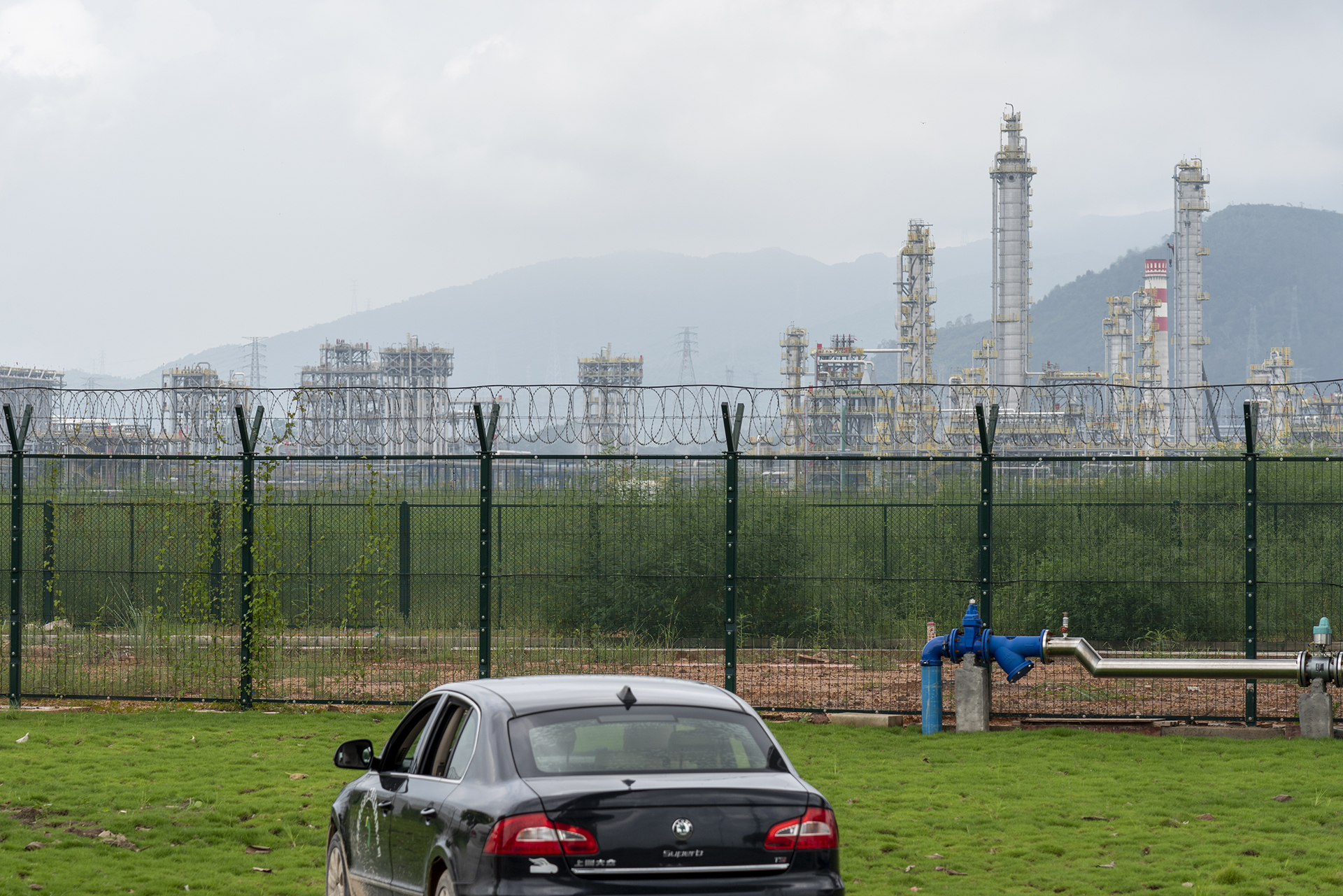
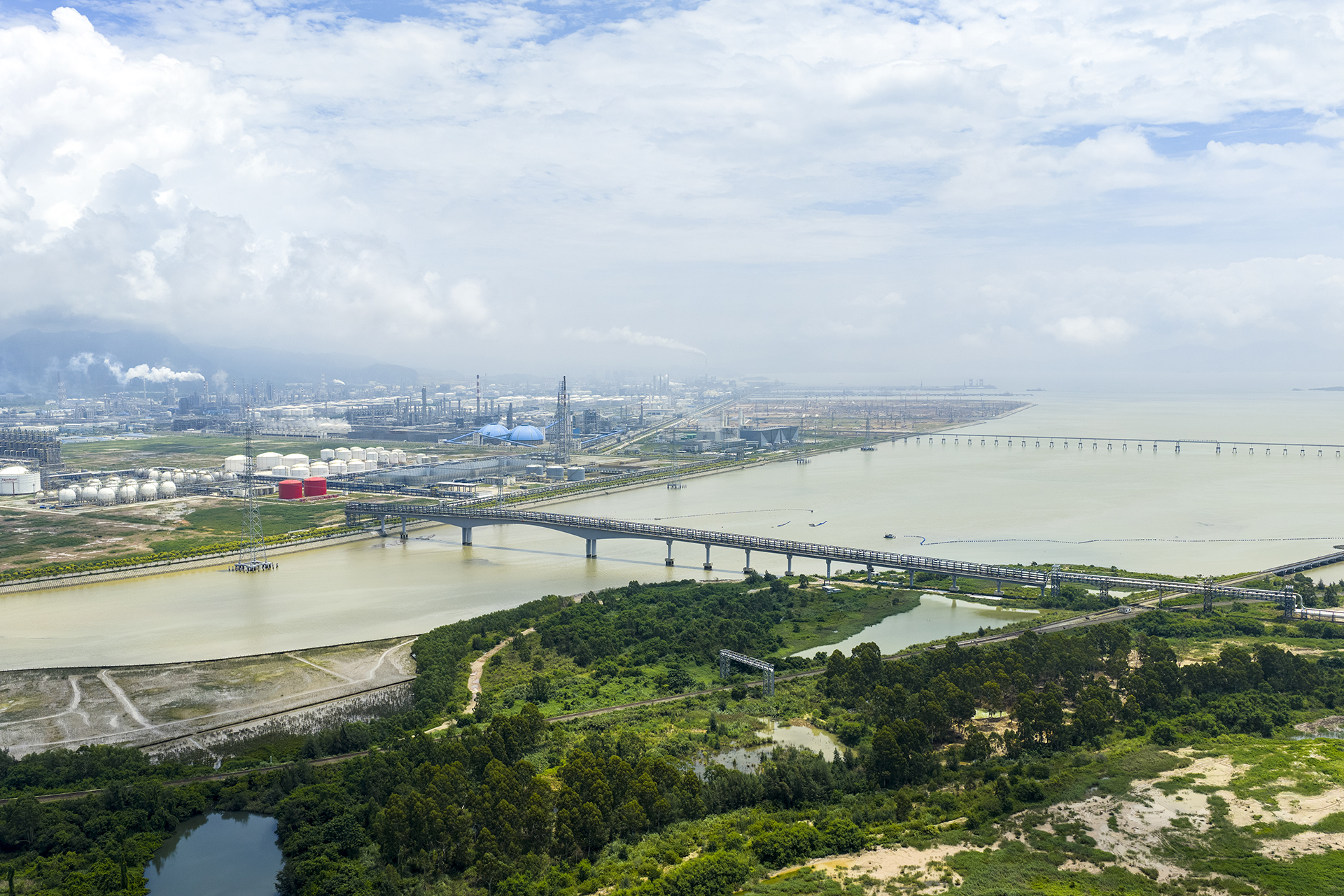
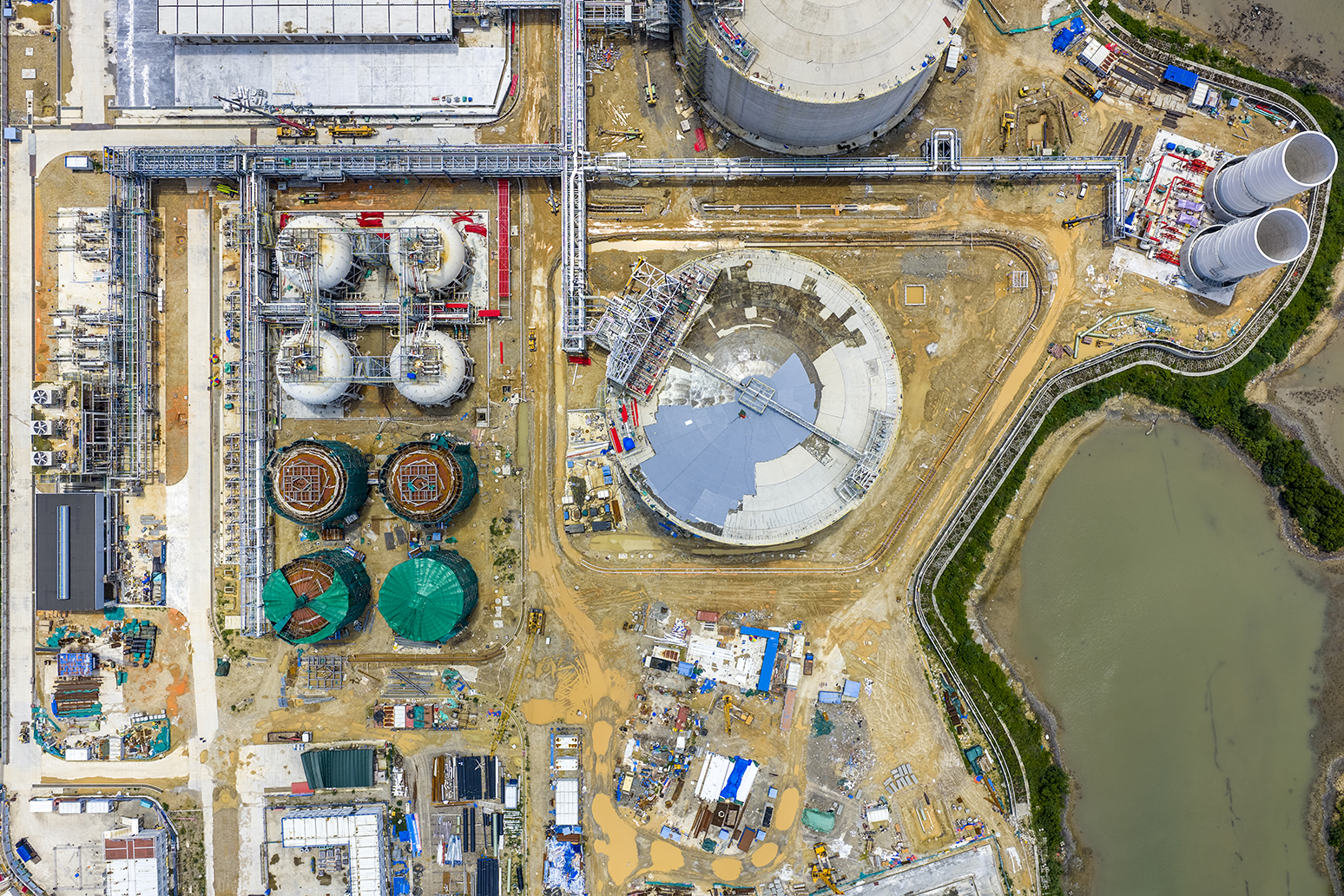
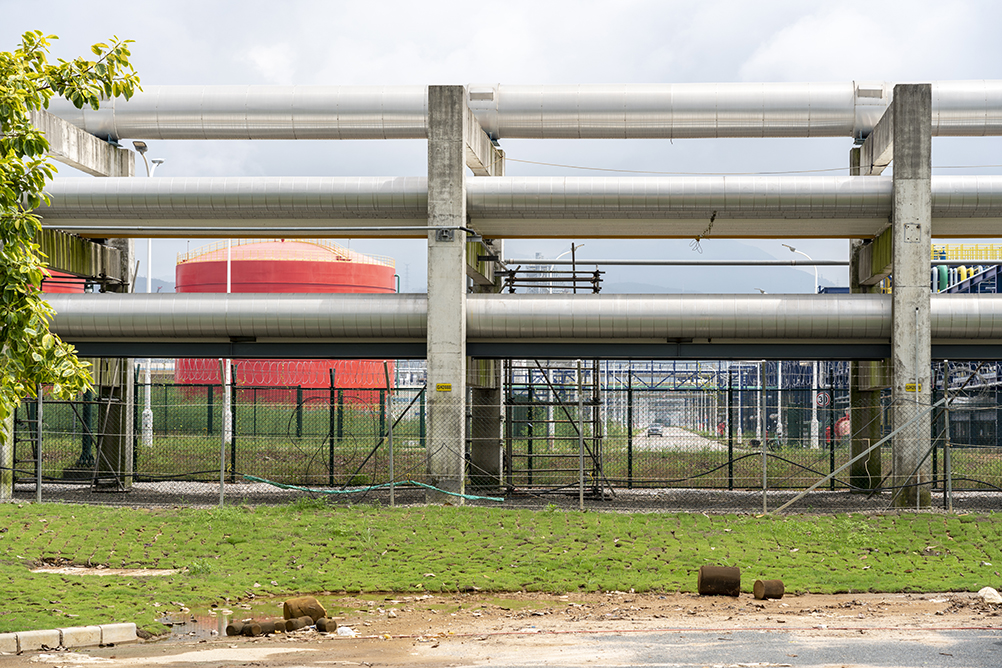
Land reclamation in Daya Bay is mainly to meet the land needs of infrastructure such as ports and roads, as well as industrial areas near ports including petrochemical zones and nuclear power plants. The main reclamation area within the bay is the petrochemical project area of the Economic and Technological Development Zone, covering approximately 20 square kilometres. These reclamation activities have directly destroyed intertidal ecosystems along the coast, such as mangroves, mudflats and coral communities, which are habitats and breeding grounds for many marine organisms. The ‘Beautiful Bay’ policy is supposed to be a reflection and correction of China’s past extensive development model, emphasising protection, restoration and sustainable use. For example, the local government of Daya Bay has invested over 1.3 billion yuan (140 million pounds) in ecological protection and restoration: constructed 18 kilometres of ecological seawalls; created a 16.6-hectare coastal leisure belt, with a natural coastline retention rate of approximately 65.7%; established the first national-level marine ranching demonstration zone, with 688 artificial reefs deployed and 100,000 corals planted to achieve underwater coral reef cultivation; and released more than 80 million fish, shrimp, shellfish, and other economically important species.
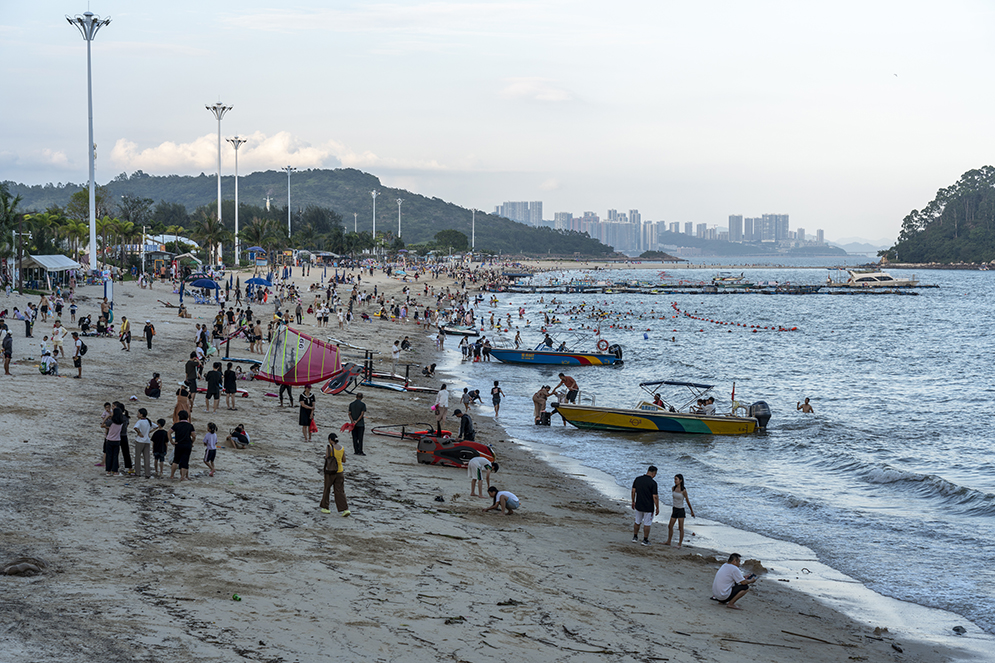
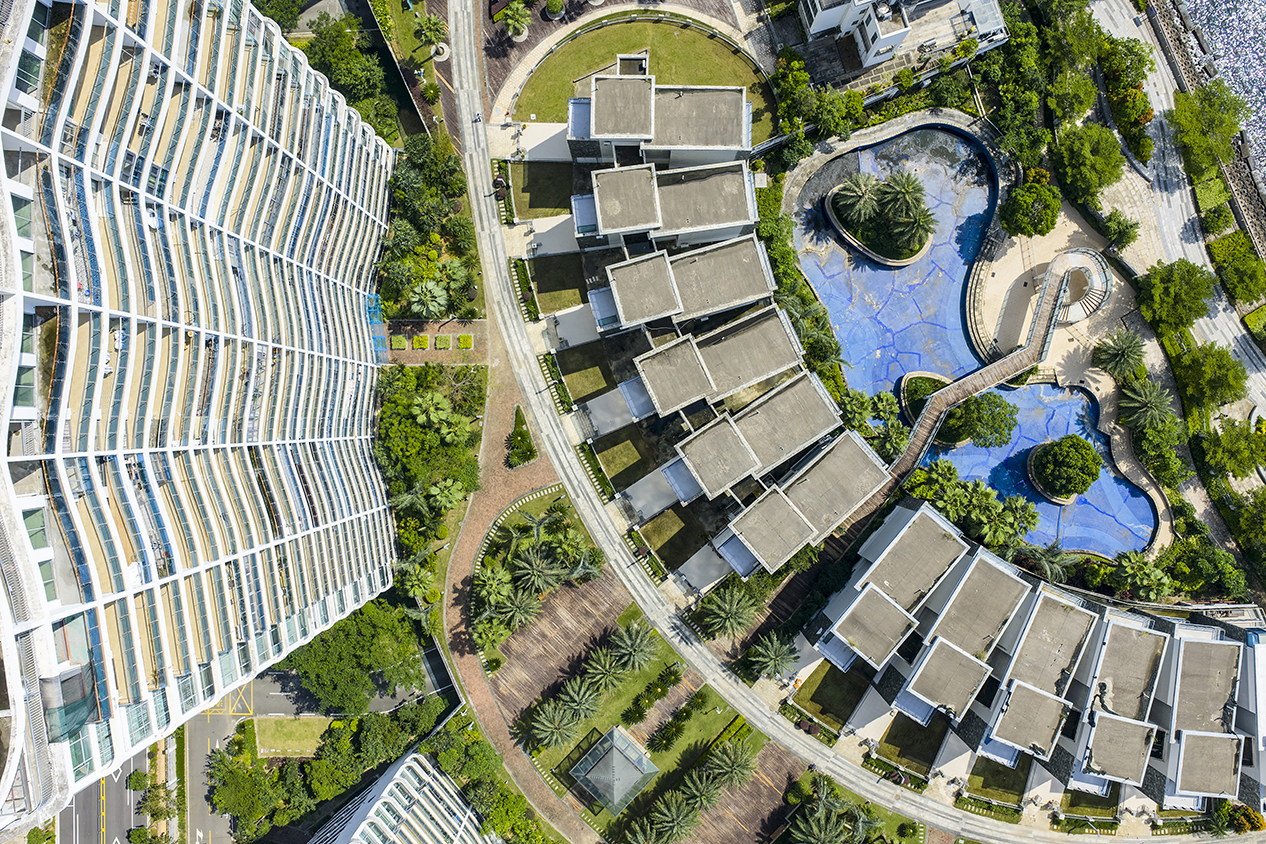
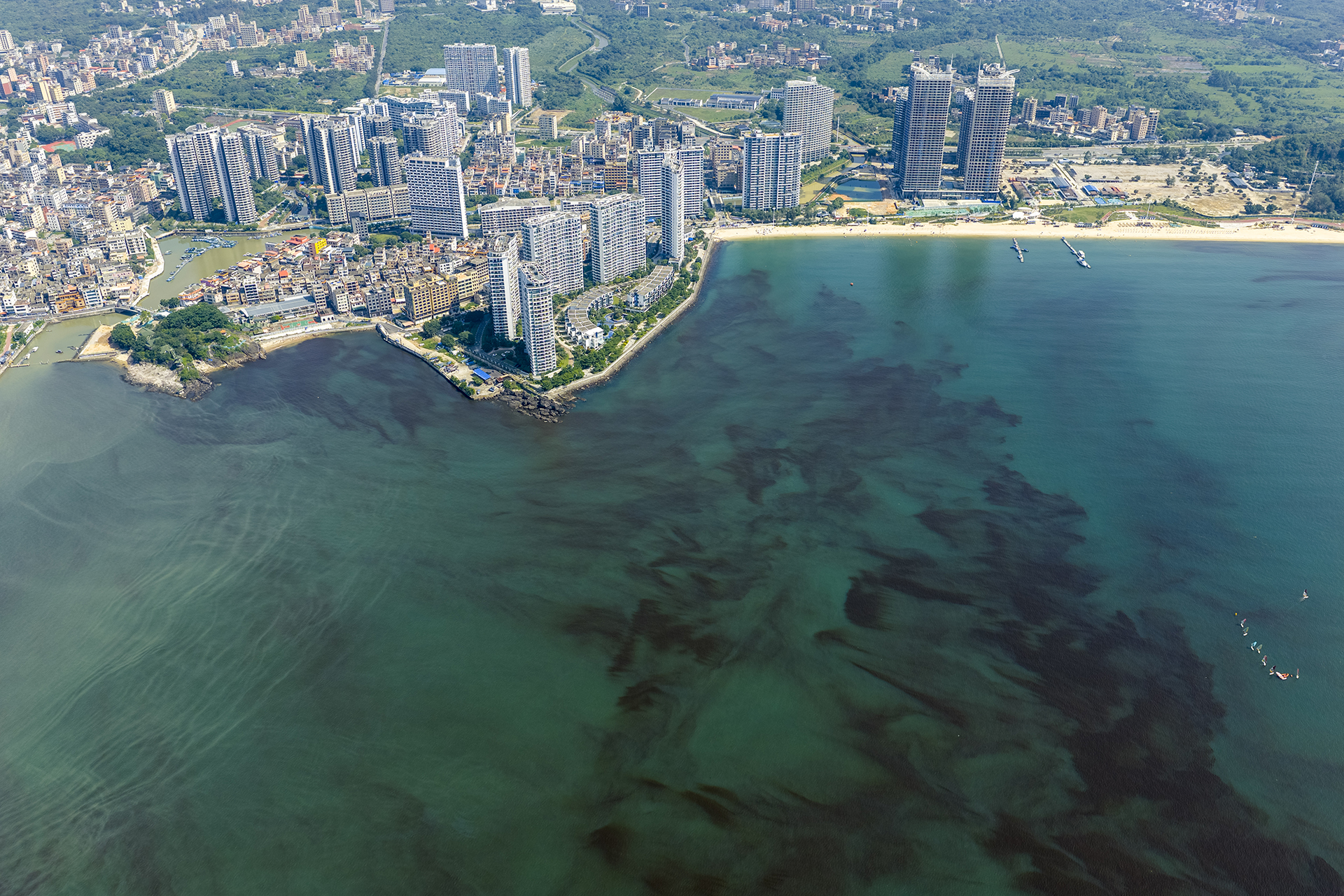
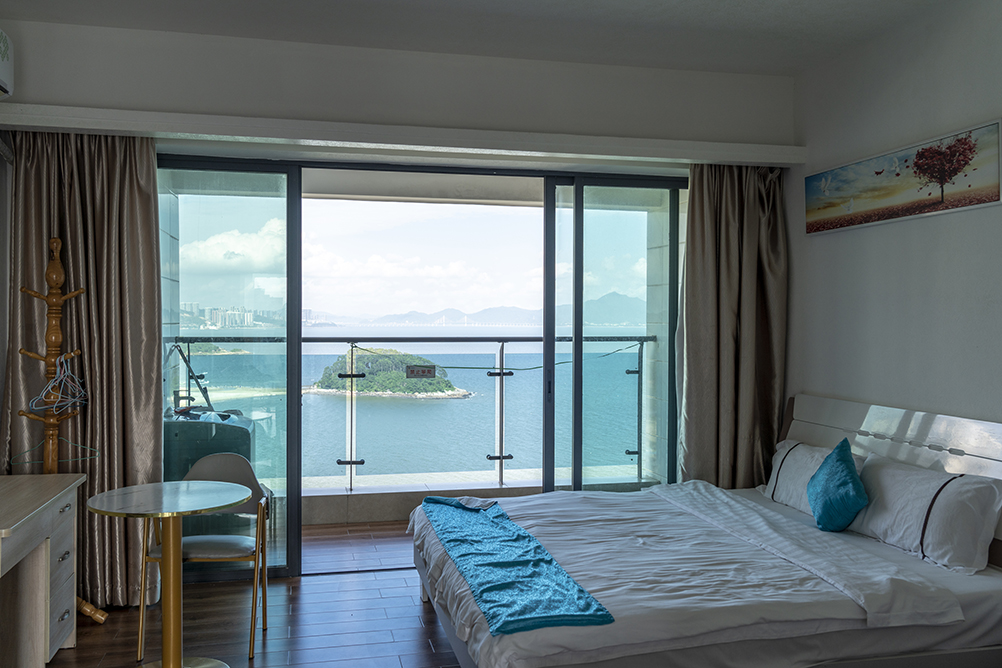
However, the beautifully constructed straight seawalls and coastal leisure belts have altered the original natural coastline. Uneaten feed and fish excrement from aquaculture release high concentrations of nutrients such as nitrogen and phosphorus into the surrounding waters. If marine ranches are located in bays with poor water exchange, such as Daya Bay, pollutants cannot be quickly diluted and dispersed, leading to excessively high concentrations in local sea areas. This ‘still water’ environment is a breeding ground for red tides, as shown in the images below. Not to mention the sewage discharged from the high-density residential areas along Daya Bay coast. Due to the extreme market downturn, local residents can only rent out their sea-view apartments for 600 yuan (65 pounds) per month, and they largely rely on summer tourists to recoup some of their losses. They complain that real estate development here has been a complete failure, as the 100-metre-high buildings are being eroded by sea winds, making their houses increasingly worthless. Local real estate agents say that more than 18 residential projects remain unfinished.