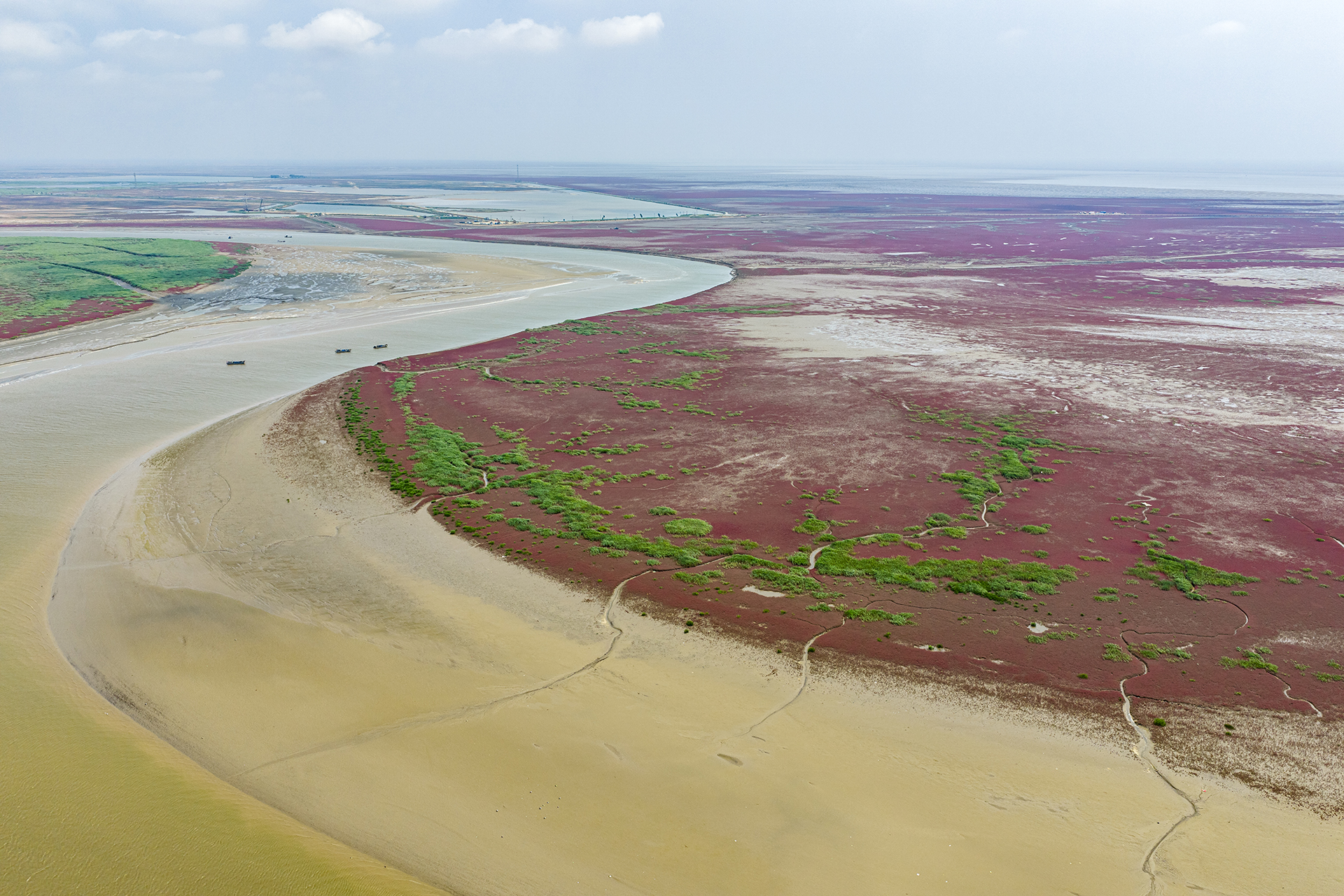
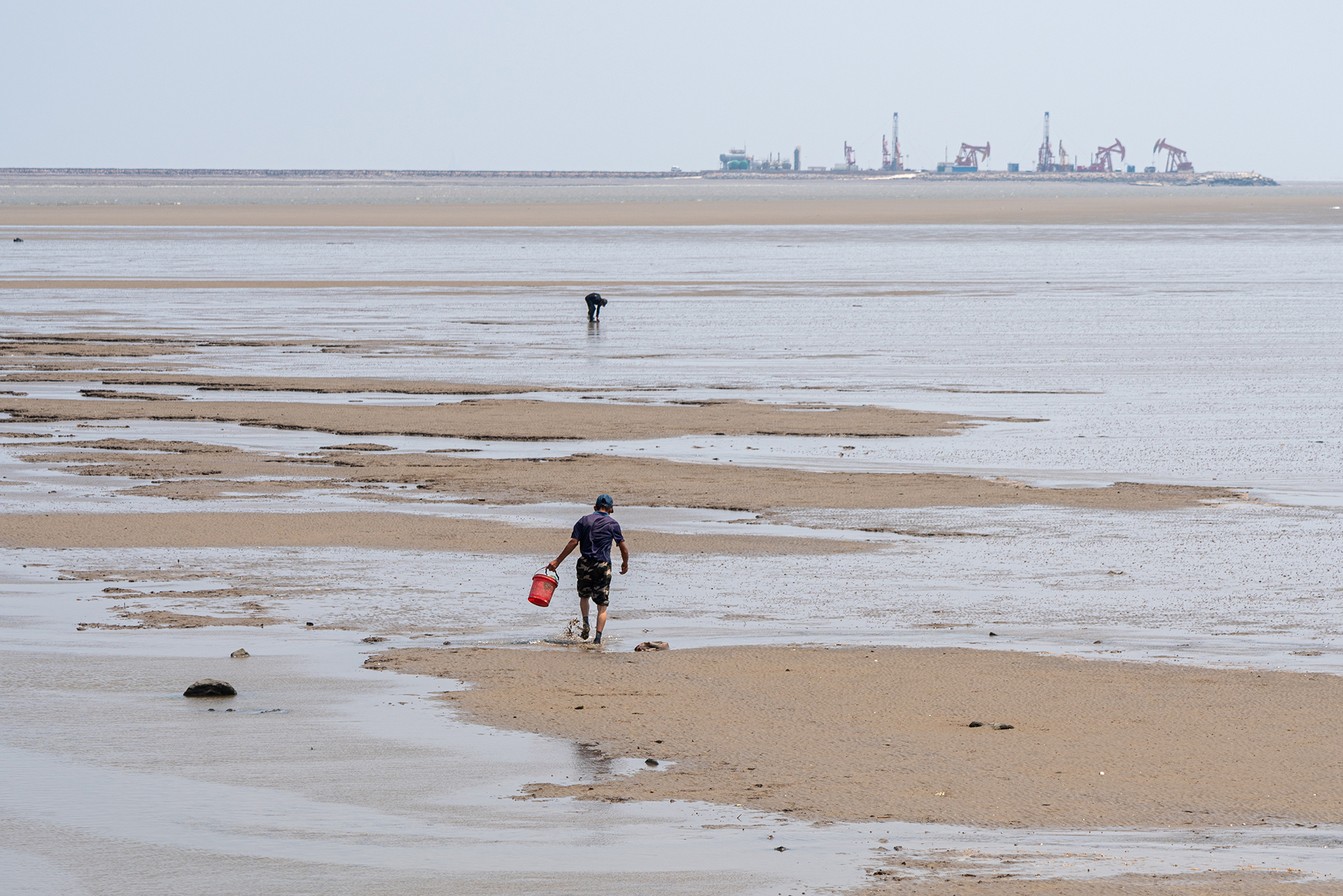
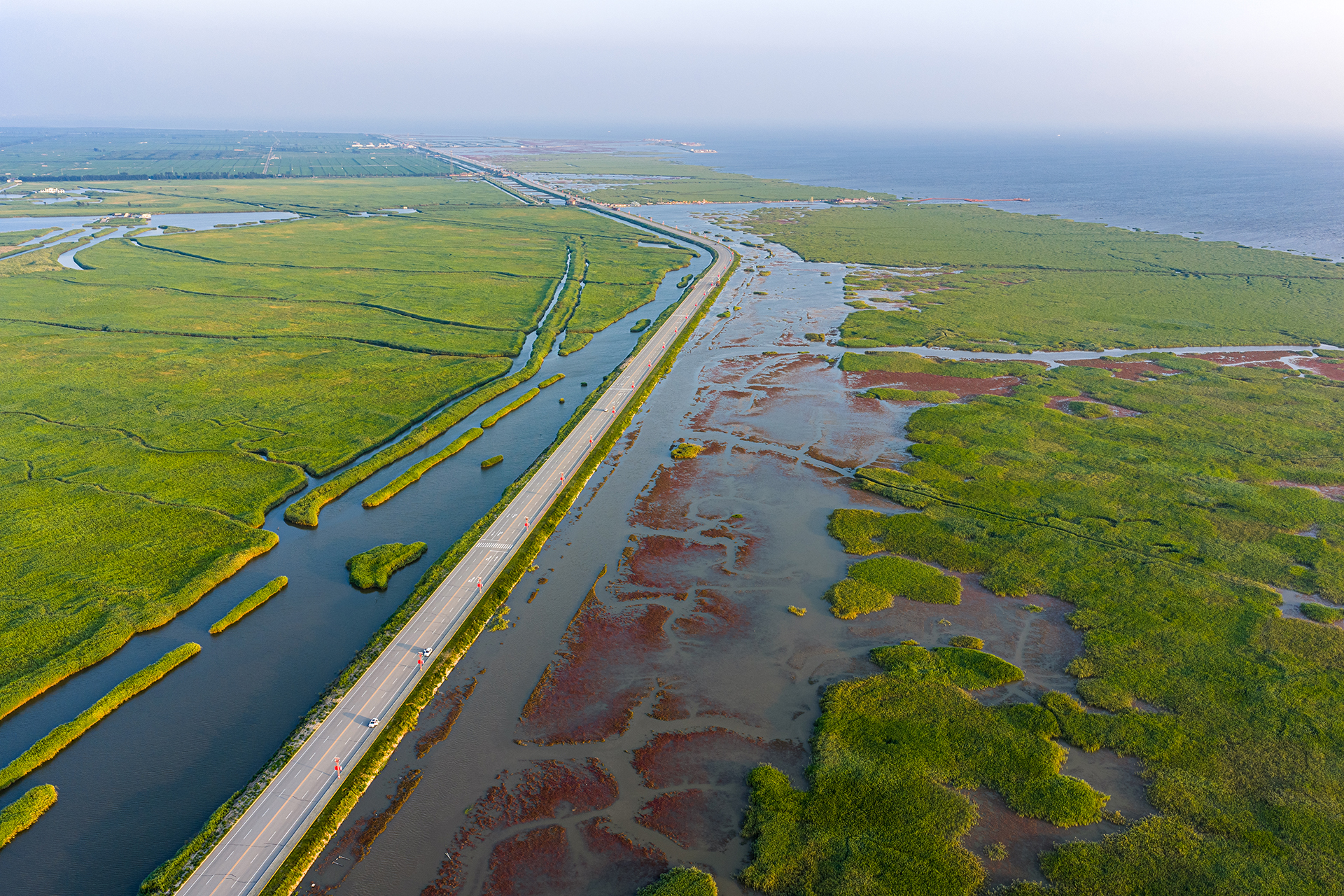
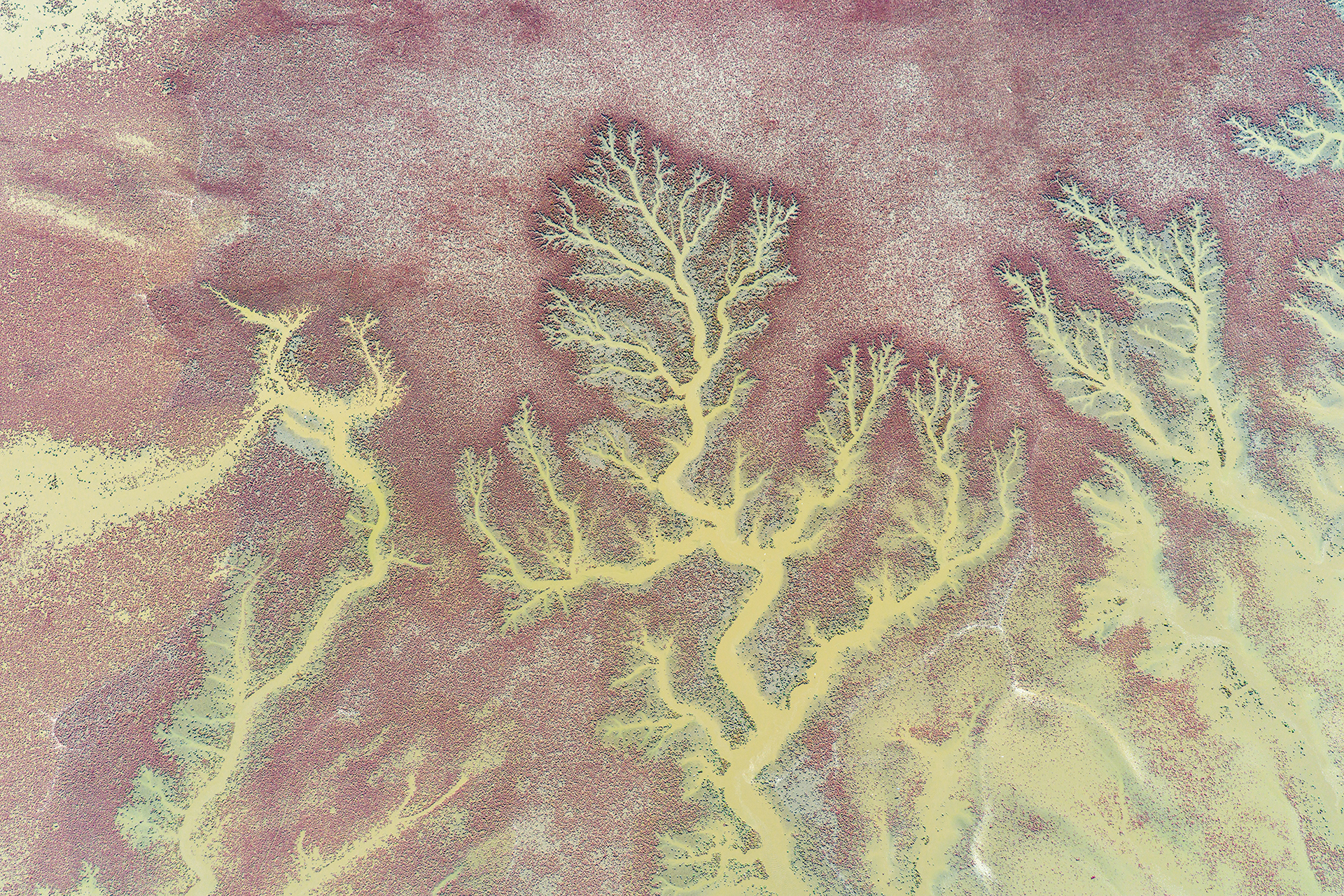
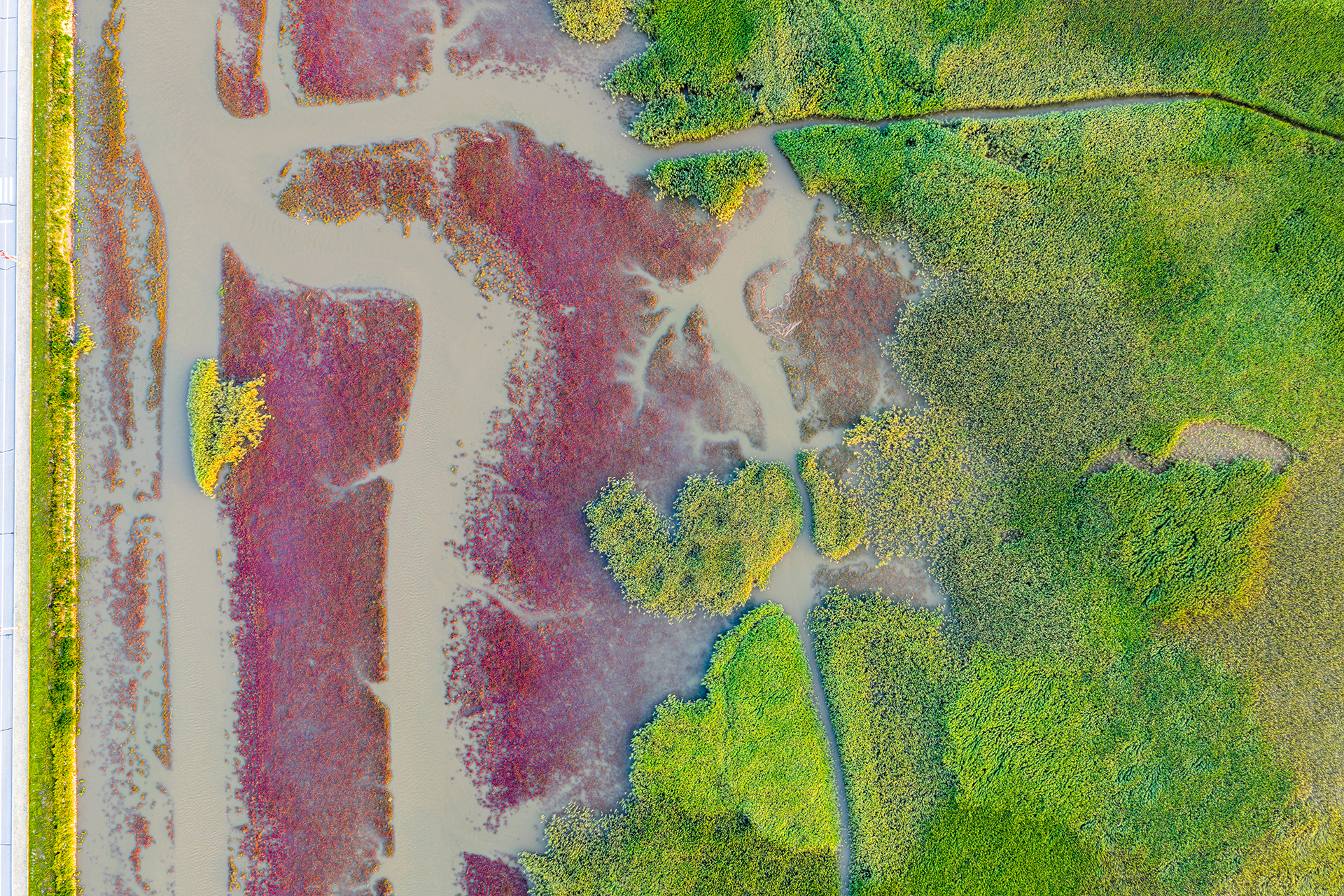
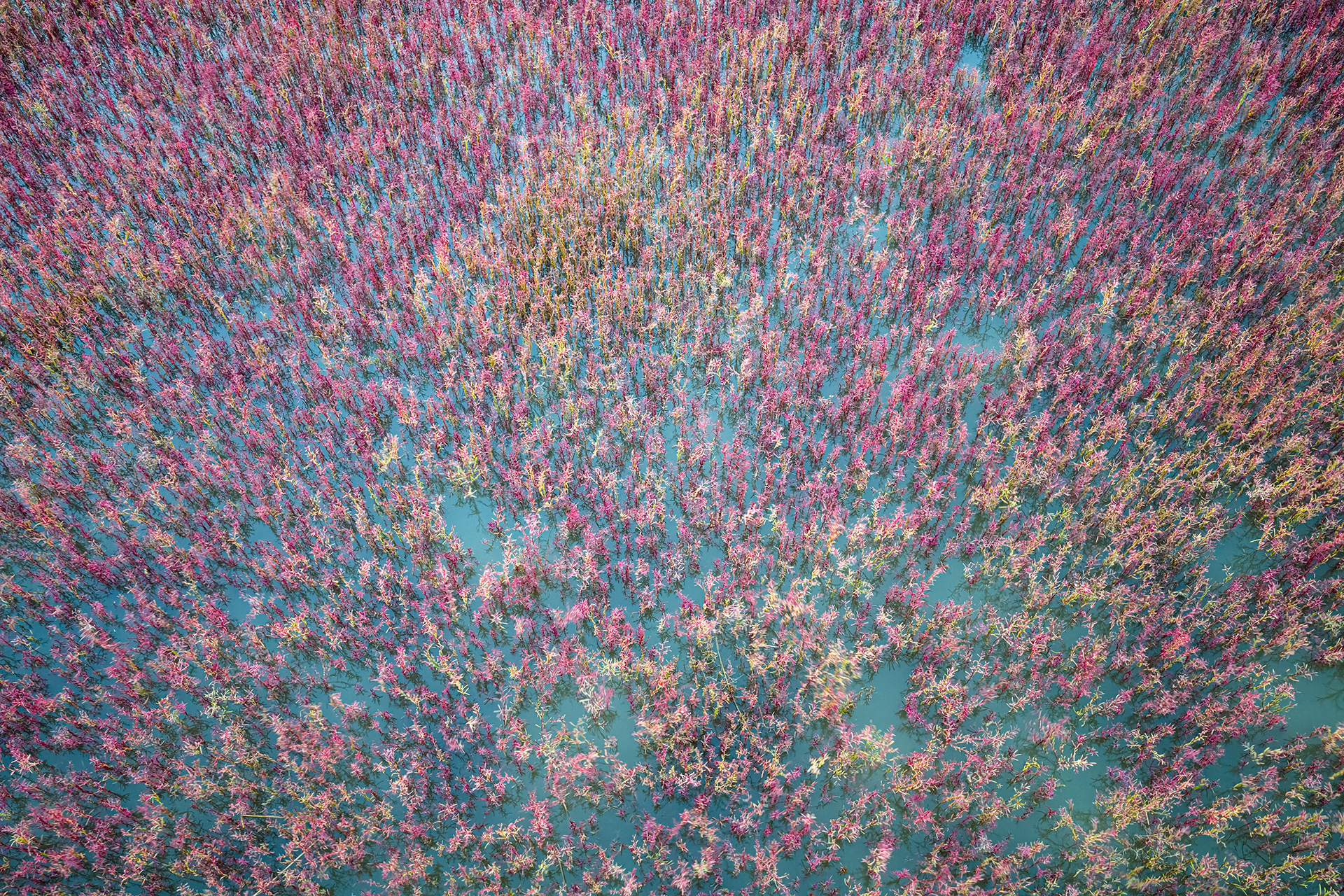
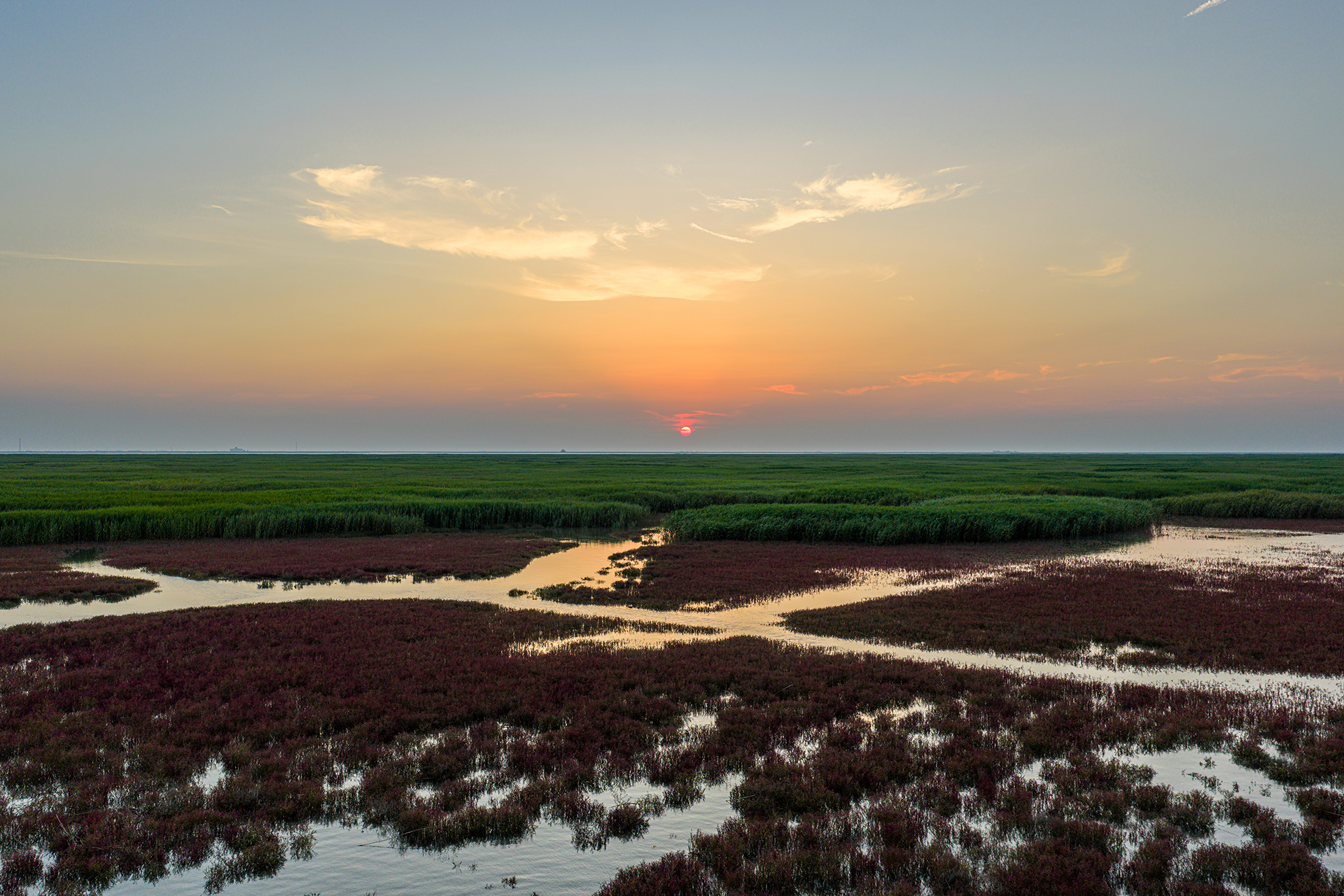
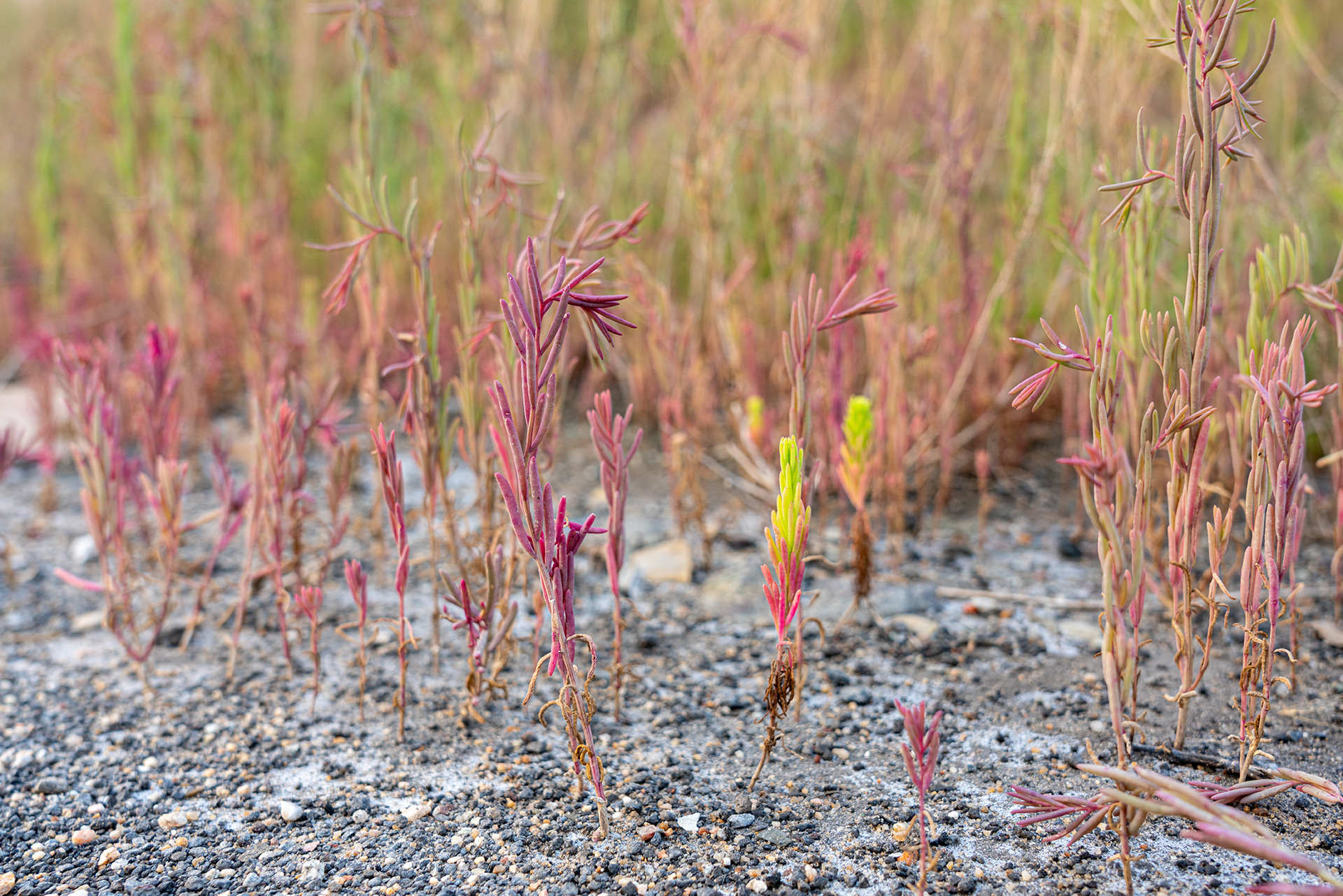
Liaodong Bay is located in the northern part of the Bohai Sea in China, at 39°46.5’ north latitude and 120°45.7’ east longitude. It starts from the Daqing River estuary in Hebei Province in the west and ends at Dalian City on the western side of the Liaodong Peninsula in the east. It is one of the three major bays of the Bohai Sea and the northernmost bay in China. Liaodong Bay has a coastline of approximately 1,300 kilometres and a sea area of approximately 14,600 square kilometres, featuring a variety of shore types, including bedrock coasts, sandy coasts, and extensive mudflats. There are several major rivers flow into the bay, the largest of which is the Liaohe River, followed by the Daling River and the Xiaoling River. These rivers bring rich sediment and nutrients, shaping a unique estuarine wetland ecosystem. This area boasts vast reed marshes and rare ‘red beaches’ formed by large areas of seepweed (Suaeda glauca). Liaodong Bay is renowned for its abundant marine resources, including sea cucumbers, scallops, abalone, tiger prawns, oysters and other seafood. It is also the only breeding ground for spotted seals in Chinese waters in the western Pacific.
The land reclamation activities in Liaodong Bay are not driven by a single reason, but have gradually emerged along with the development of the Bohai Rim Economic Belt. Its fundamental driving force is the huge demand for land resources, which are used to build ports and port-side industrial zones, such as large deep-water terminals, warehousing and logistics zones, petrochemical bases and equipment manufacturing parks; and aquaculture. For example, the development of Liaodong Bay New Area in Yingkou City (visible in the satellite image on previous page as the triangular peninsula beyond the yellow line) involves extensive land reclamation works.
According to several research reports, between 2000 and 2015 alone, more than 3,000 square kilometres of land was reclaimed in the Bohai Rim region (including Liaodong Bay, Bohai Bay and Laizhou Bay). The China Ocean Development Report issued by the former State Oceanic Administration noted that the Bohai Sea is the region in China where land reclamation is most concentrated. Although it accounts for only 2.6% of China’s jurisdictional sea area, it represents over one-third of the country’s total reclaimed land area.
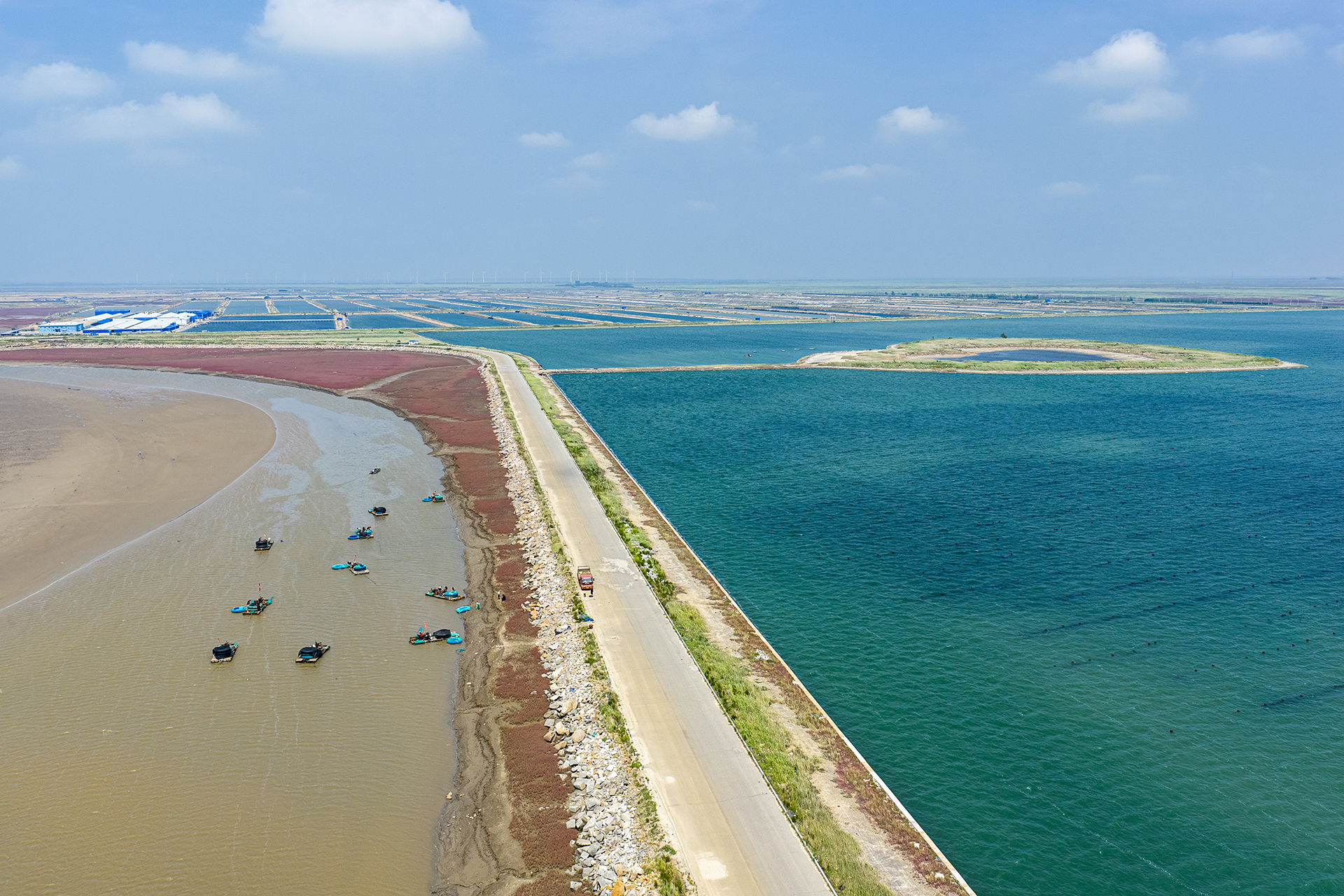
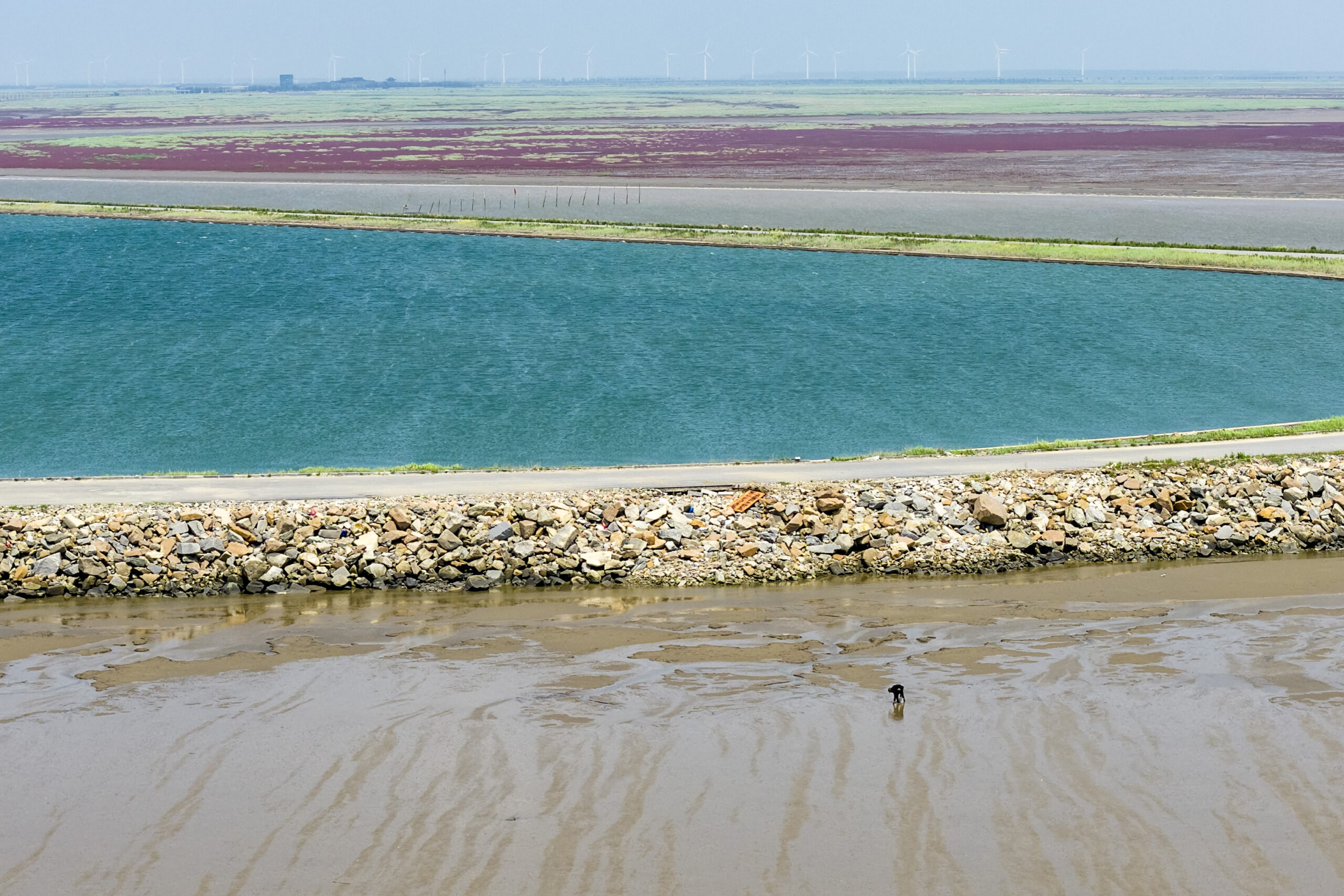
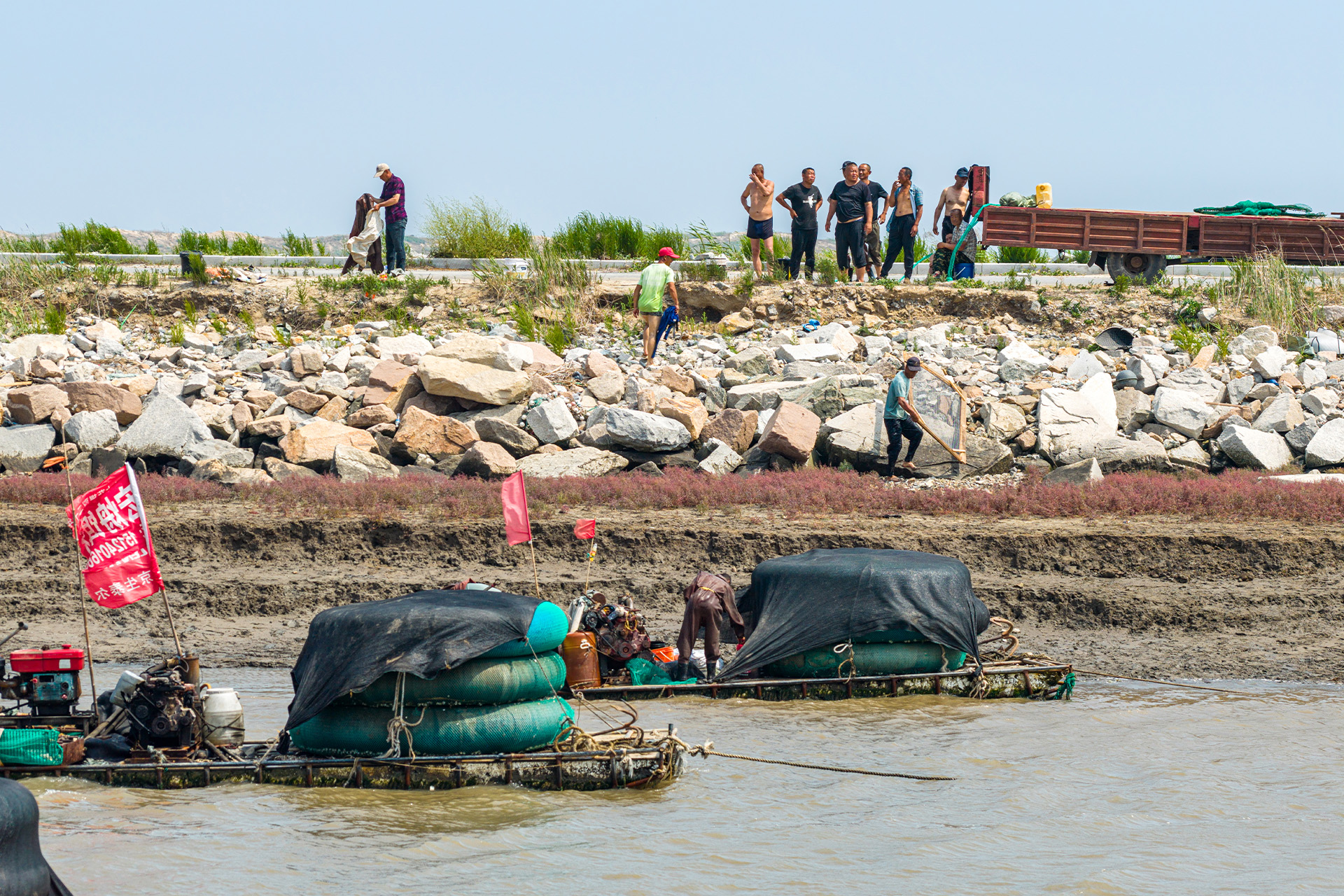
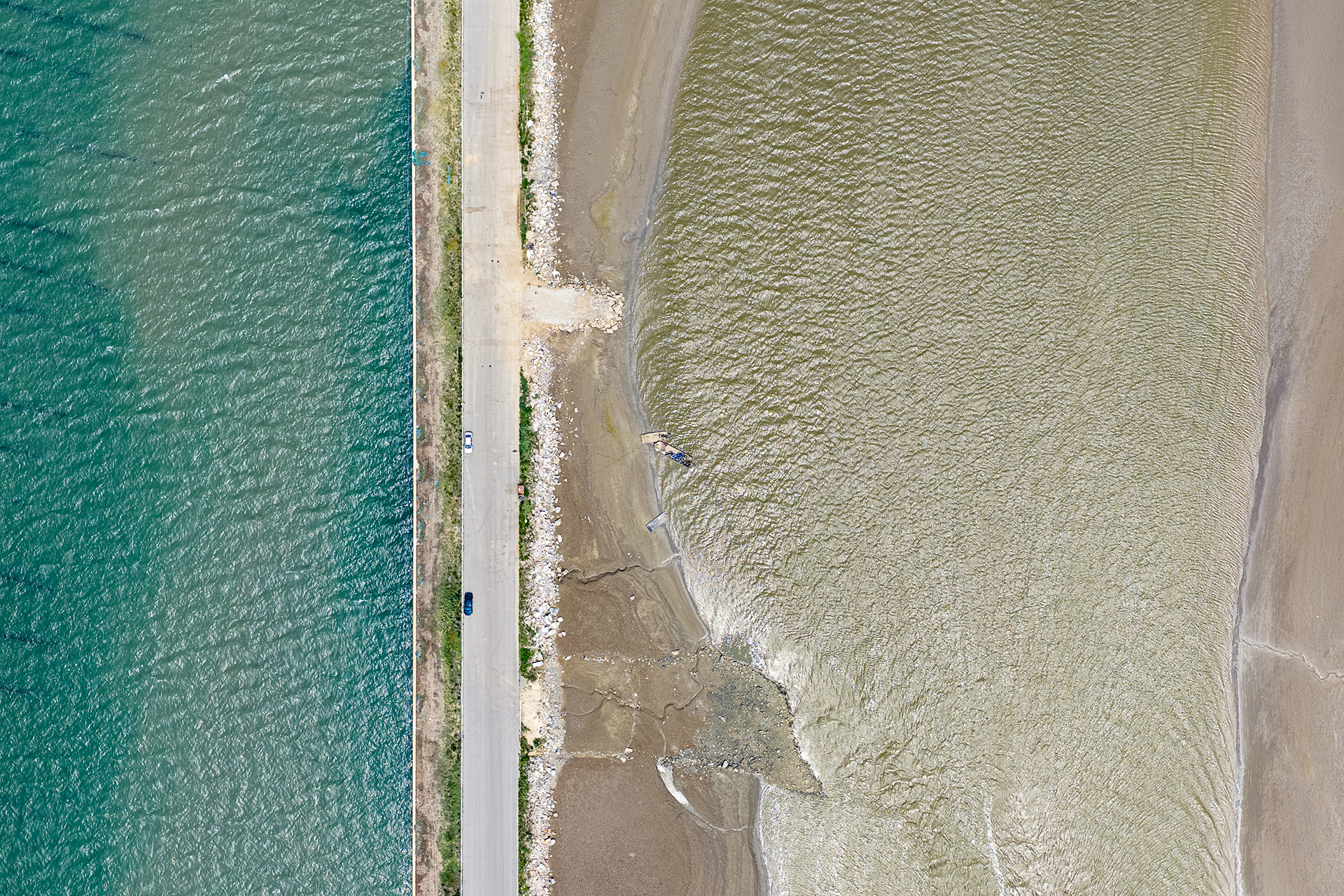
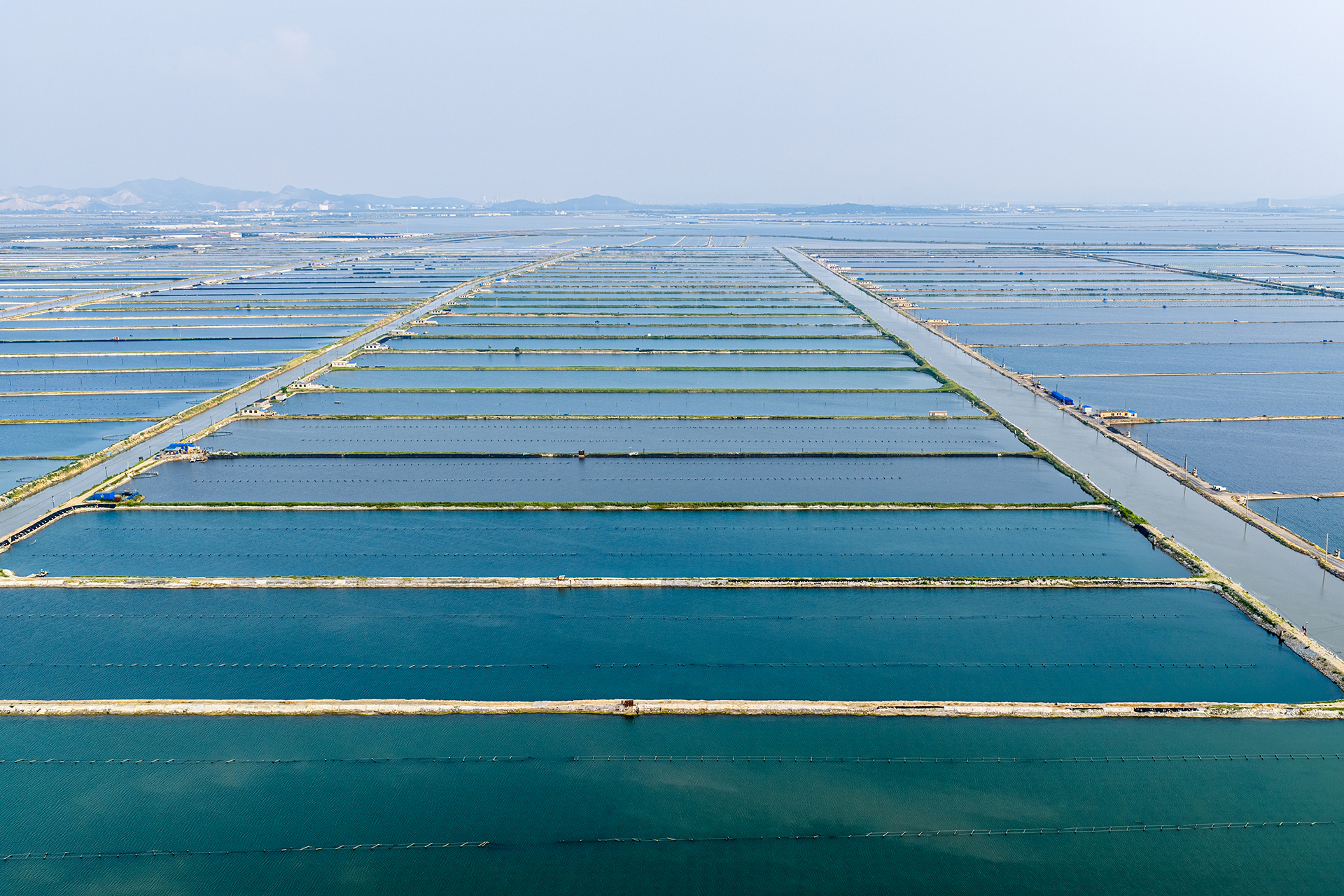
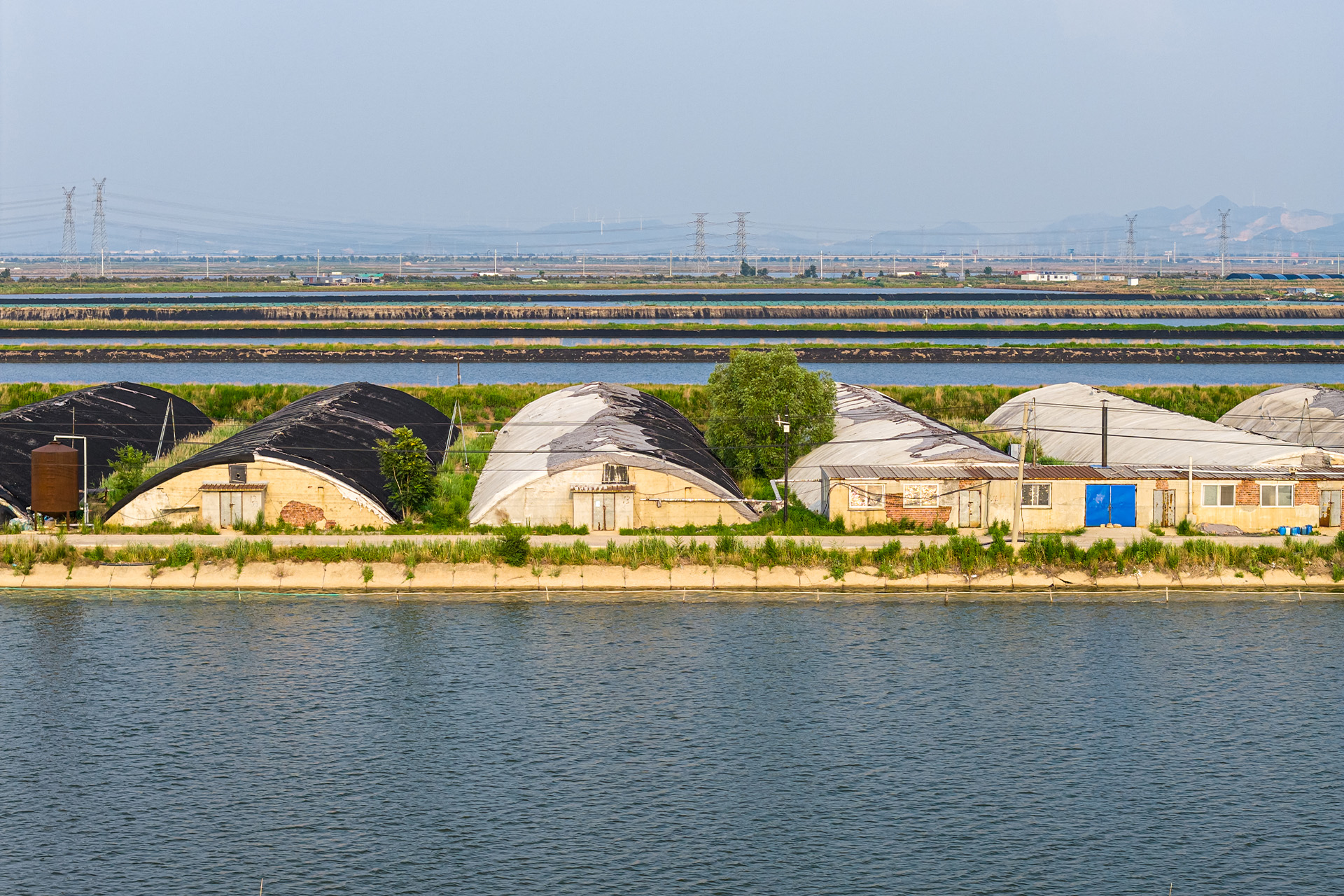
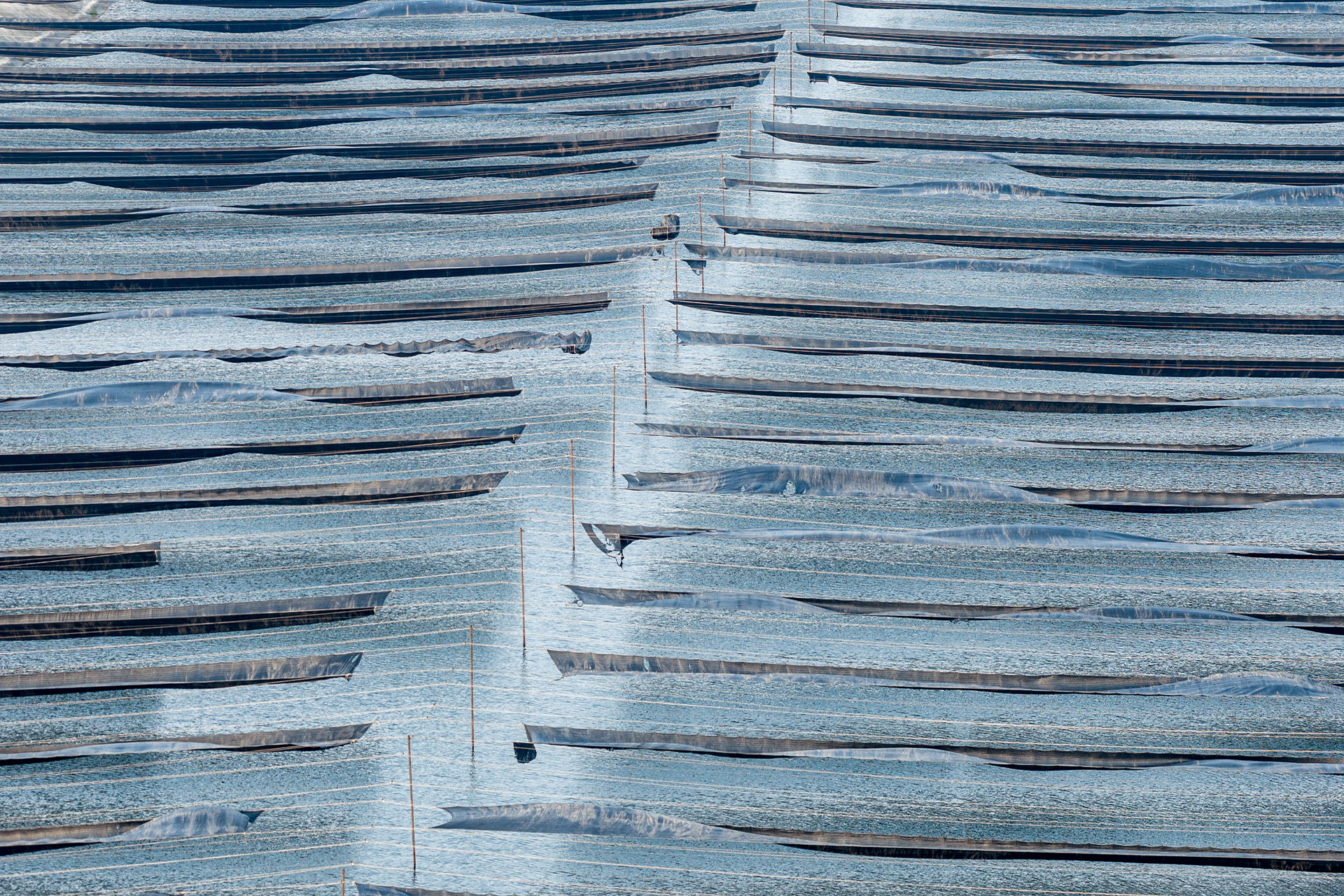
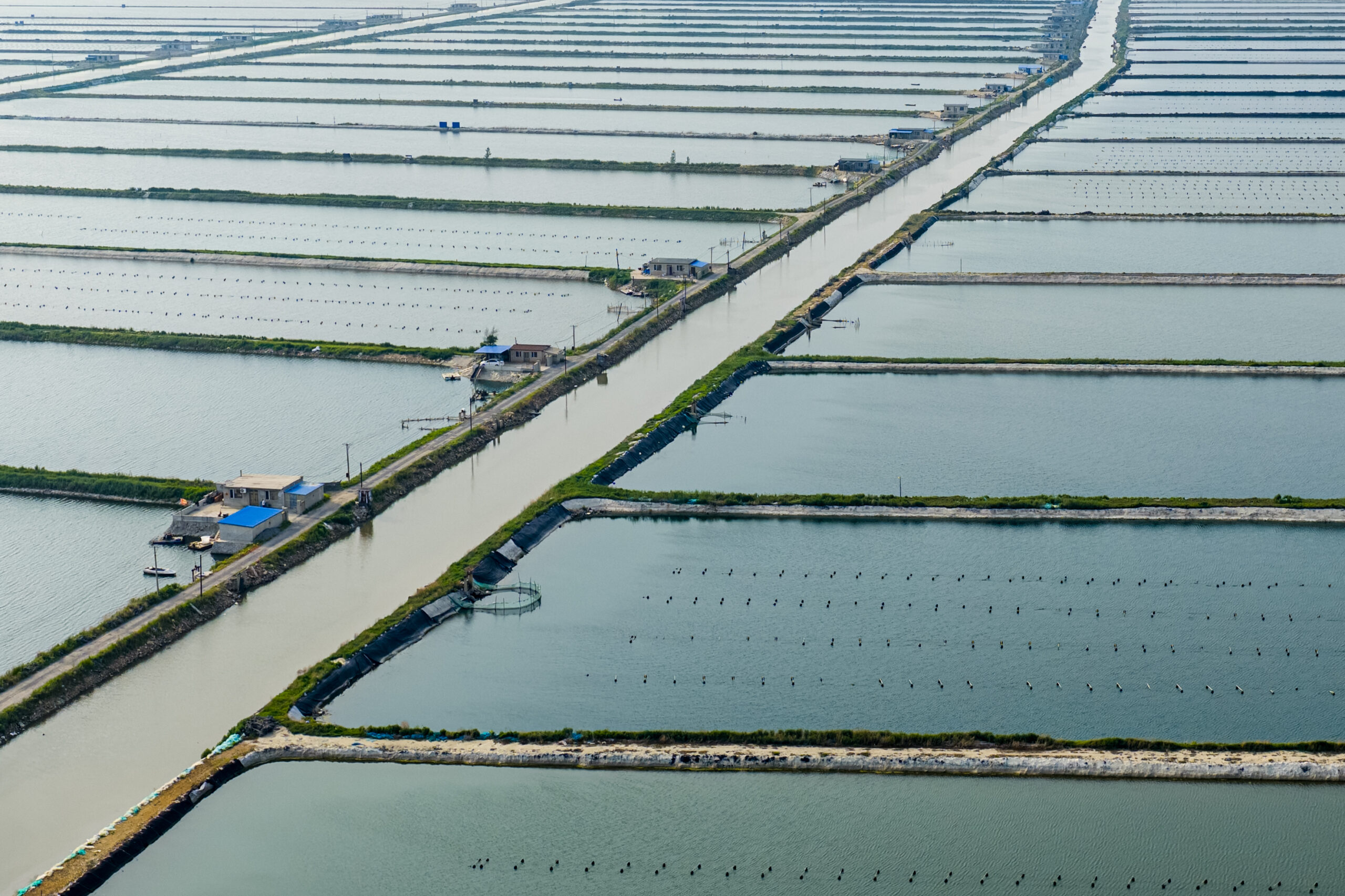
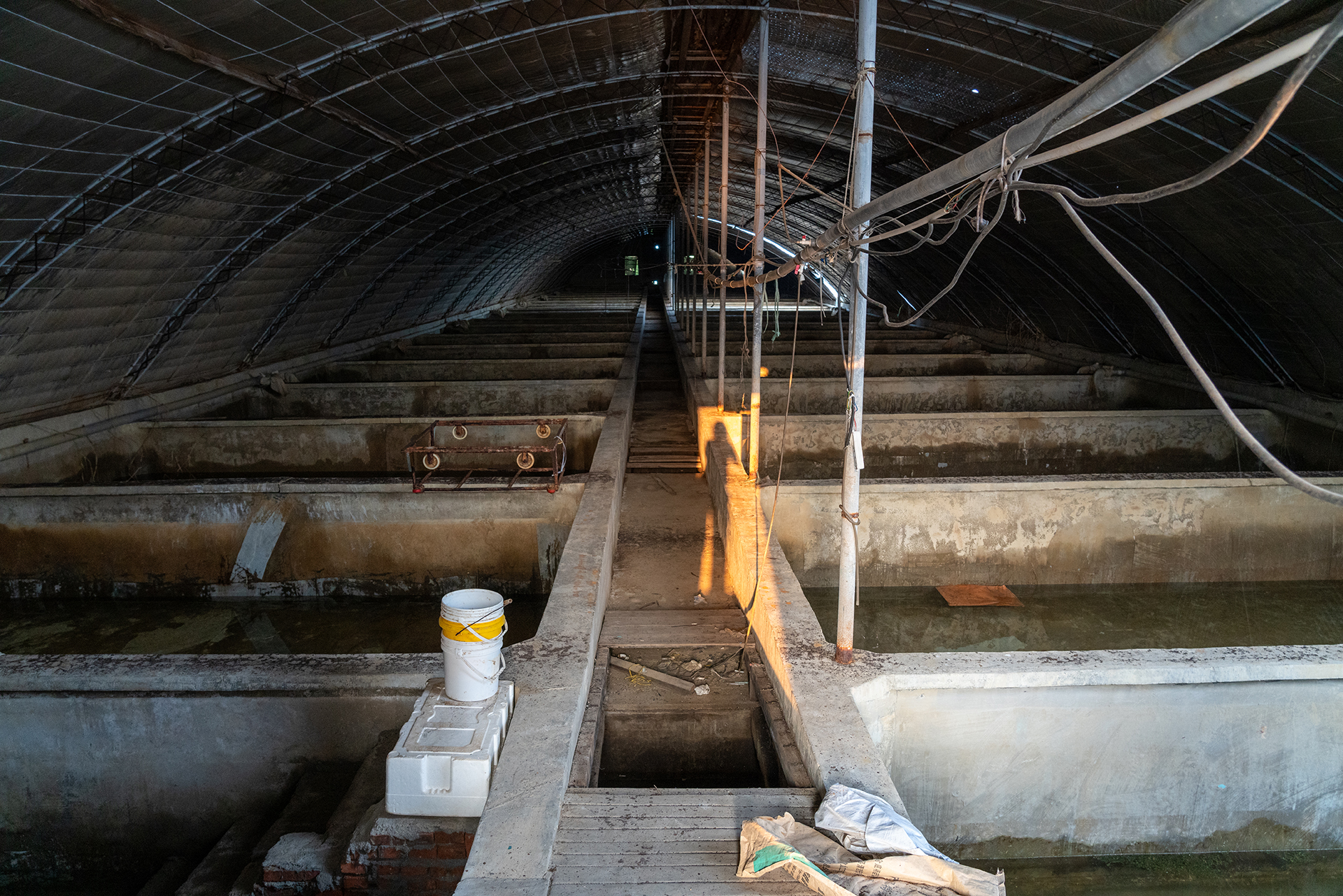
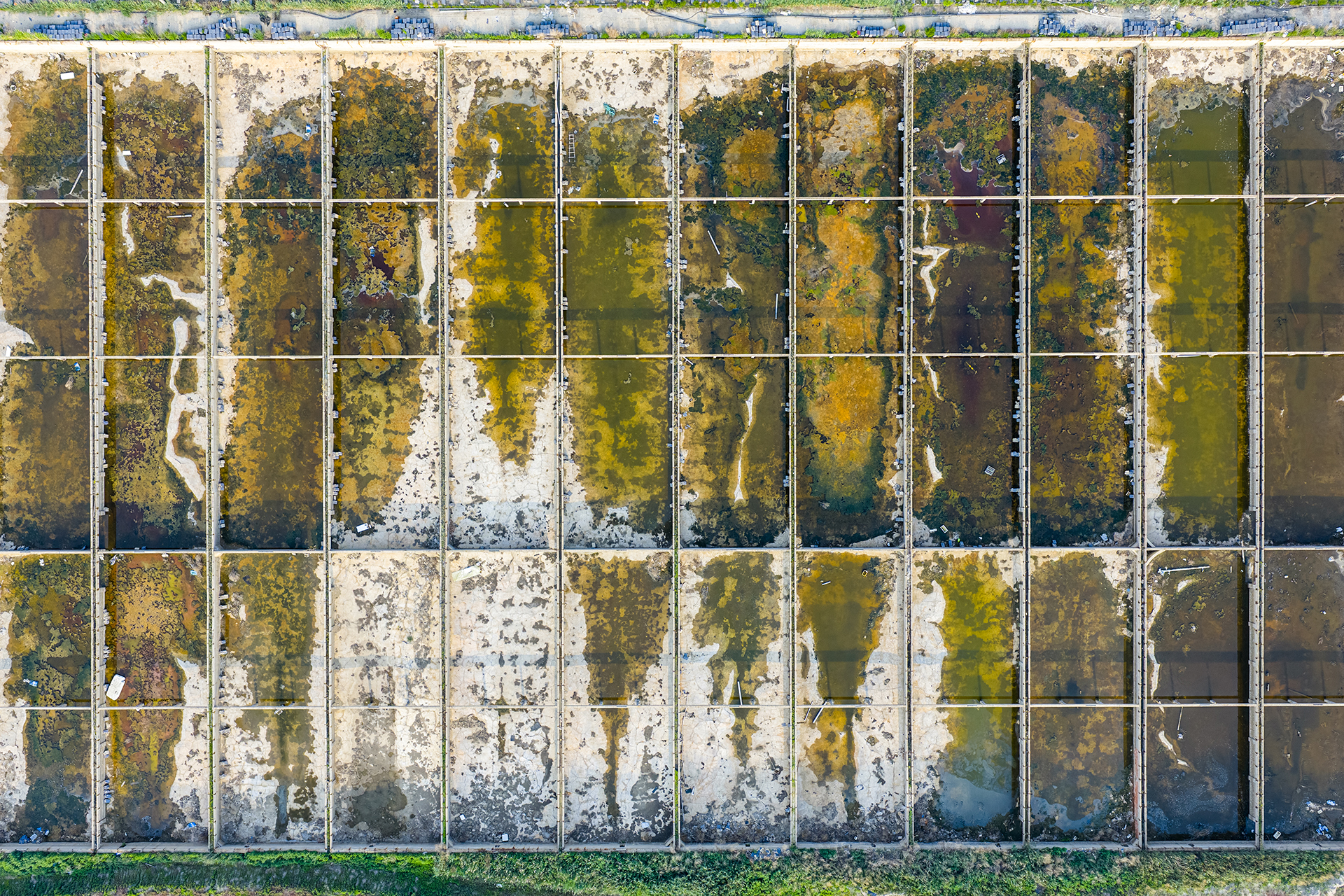
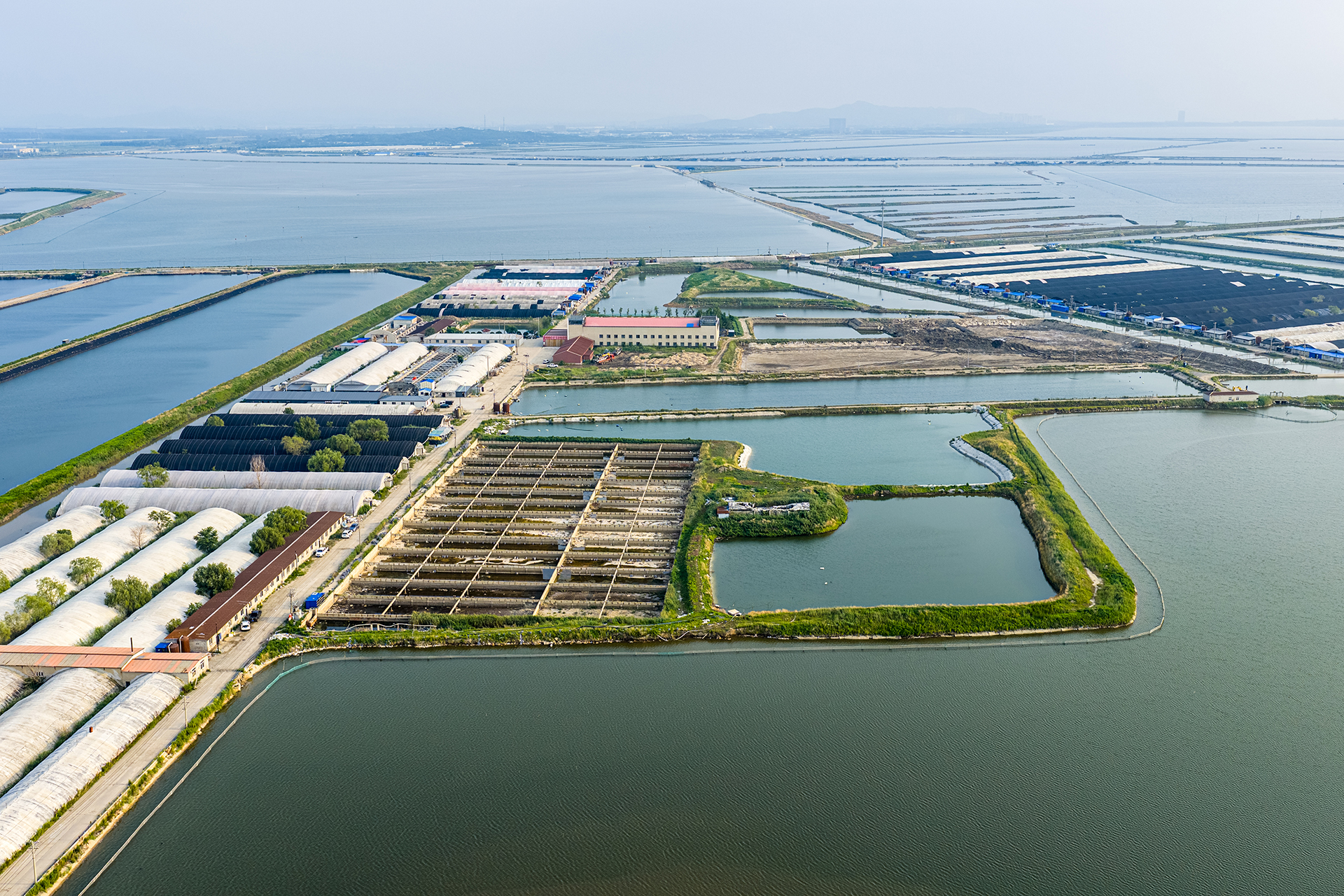
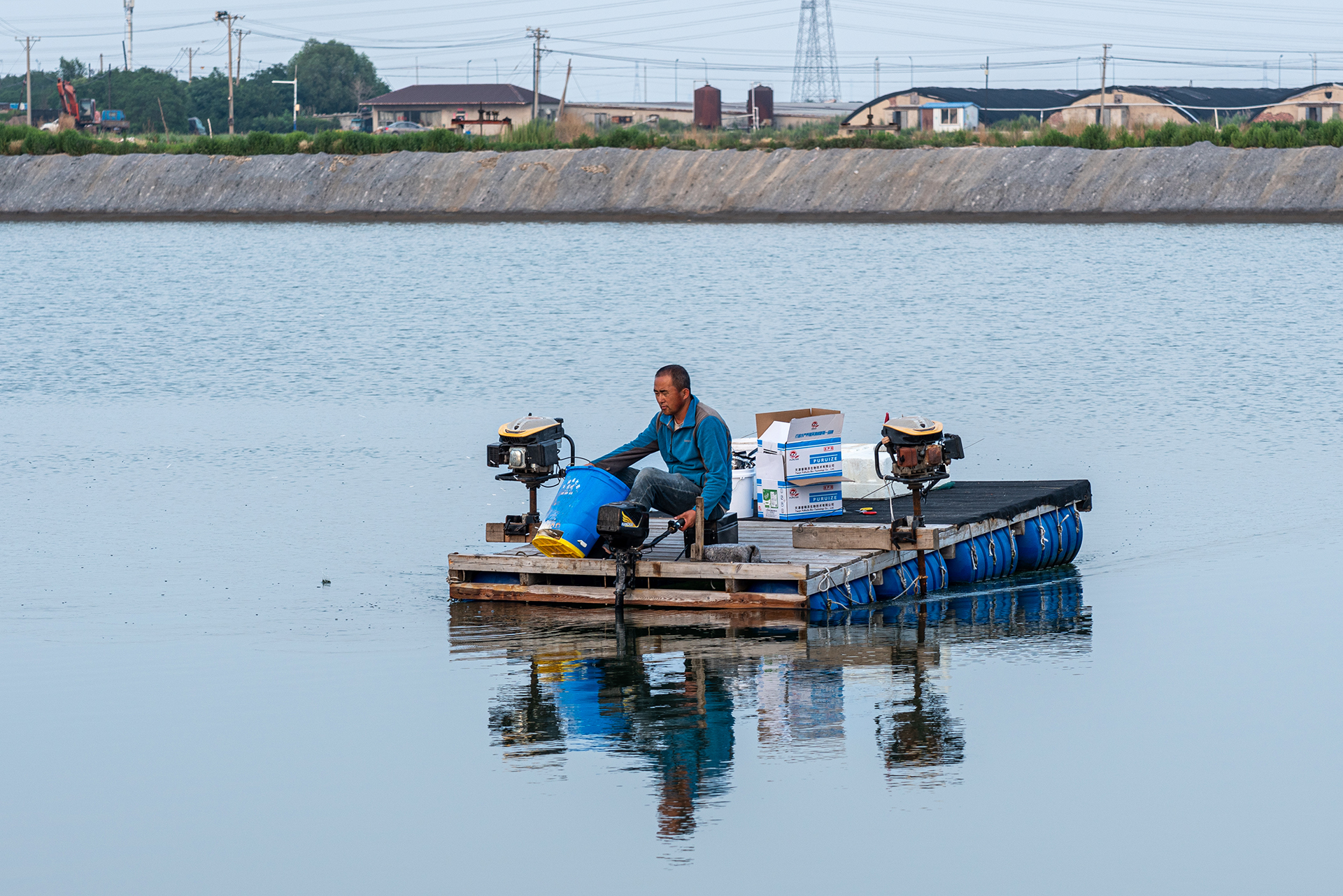
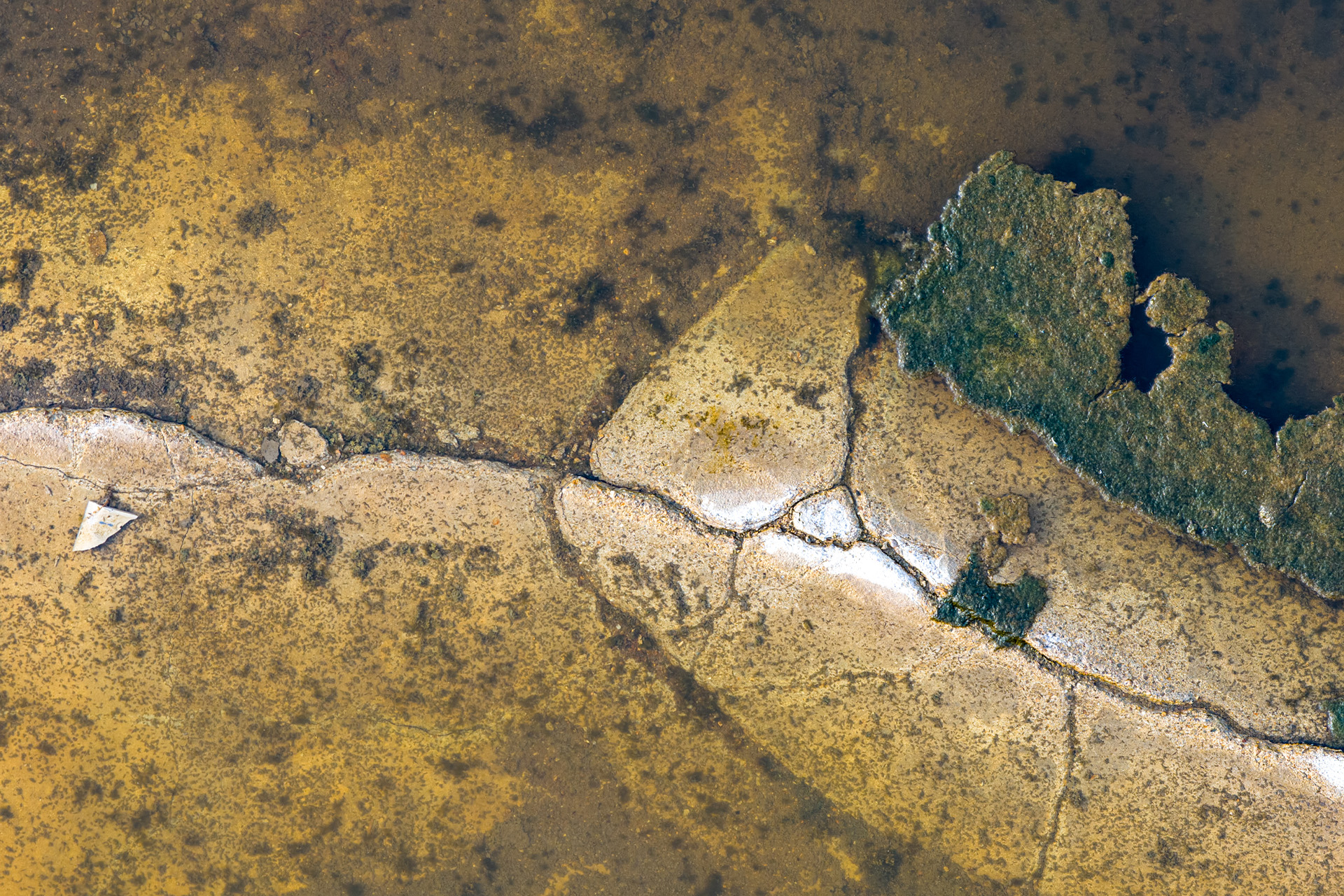
The works on Liaodong Bay focus primarily on aquaculture industry. As evident from the satellite imagerys, extensive coastal mudflats and wetlands at the estuaries of the Liaohe River and Daling River in Panjin City and Yingkou City have been converted into sea cucumber farms. Farmers can dig aquaculture ponds on coastal mudflats without any restrictions. This has resulted in the destruction of vital coastal wetlands, such as Panjin’s reed beds and seepweed (Suaeda glauca), salt marshes and intertidal habitats, as well as the breeding ground of spotted seals. Aquaculture companies can build dams on coastal wetlands to form large aquaculture reservoirs, right next to the Liaodong Estuary National Nature Reserve. The water source of the reservoirs is natural seawater introduced through gates. The bottom of the reservoir is naturally muddy and sandy, and rich in benthic diatoms and other microorganisms, which provides a large amount of natural bait for sea cucumbers. Wastewater from the reservoirs is discharged directly into the sea. These reclamation projects cause the bay to be compressed and water flow to slow down, resulting in reduced capacity for pollutants to disperse. Combined with wastewater discharge, the pollution problem in the Bohai Sea becomes increasingly serious.
The Bohai Sea is a semi-enclosed inland sea with an average depth of only 18 metres, resulting in extremely poor water exchange capacity. Research indicates that it takes over 30 years for the entire body of water to undergo a complete exchange with the open sea. This inherent geographical constraint means that pollutants entering the sea are easily retained and accumulated, and are difficult to disperse or dilute. As previously discussed, large-scale land reclamation projects have severely damaged coastal wetlands. These wetlands act as natural ‘water purifiers’, which filter and purify pollutants from land. However, the loss of wetlands has effectively weakened the ocean’s self-purification capacity, which further exacerbates the pollution problem.